
Toxic Ground Under Warsaw Estates: NIK Flags Failures
NIK finds gaps over contaminated land in Warsaw, with housing built on risky sites; what expats should know before moving.
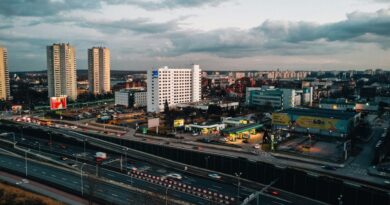
Poland’s Supreme Audit Office (NIK) has revealed worrying failures over contaminated land in Warsaw. The report shows that developers built homes on plots that authorities did not properly list or control.
What NIK found in Ursus and Praga-Północ
NIK audited the City of Warsaw, the Ursus and Praga-Północ district offices, and the Regional Directorate for Environmental Protection. Moreover, the auditors found incomplete registers of polluted sites. Consequently, the city lacked effective oversight of clean-up efforts. In addition, the regional directorate failed to enter many contaminated places into the official register. Therefore, some polluted parcels stayed outside public control.
contaminated land in Warsaw: housing built on risky soil
In Ursus, NIK flagged a particularly serious case. The auditors saw test results that pointed to historical soil contamination. However, the Regional Director did not require the owner to do extra tests. In addition, the office did not force removal of soil classified as hazardous waste. As a result, developers built multi-family buildings on land with possible dangerous substances. Consequently, investors avoided reporting contamination because remediation would cost a lot. Moreover, local reports later described an oil-derived leak in one block’s garage.
Why this matters for residents and buyers
Investing or renting in Warsaw now carries new questions. For example, past industrial use often leaves heavy metals or petroleum residues in the ground. Therefore, buyers should ask for environmental site assessments. Moreover, banks and insurers may change their lending rules if risks grow. In addition, prolonged exposure to contaminated soil or leaks can affect indoor air or groundwater. Consequently, public health oversight must improve to protect residents.
Institutional gaps and recommended fixes
NIK urged better identification and monitoring of polluted land across the city. Moreover, the auditors called for complete and reliable registers. In addition, they asked the Regional Directorate to enforce testing and clean-up duties. Therefore, Warsaw authorities must tighten controls before approving new building permits. Consequently, the city should avoid repeating mistakes that expose families to toxins.
Source: Read original article
📚 Looking for more help settling in Poland? Browse our complete Expat Guides.