
Name Days in Poland: 2026 Ultimate Tradition Guide
Name Days in Poland are one of the most fascinating and unique social traditions you will encounter while living or traveling in the country. Although birthdays are celebrated, for many Poles—especially from older generations—name days are often more important, more public, and sometimes even more festive. Therefore, understanding this tradition can help you avoid awkward situations and, more importantly, build stronger relationships with Polish friends, colleagues, and neighbors.
In this comprehensive guide, you will learn what name days are, where the tradition comes from, how they are celebrated, what gifts are appropriate, and what to expect in 2026. Furthermore, we will explain how to find the correct date and what social rules you should follow.
What Are Name Days in Poland?
Name Days in Poland (Polish: “imieniny”) are celebrations of a person’s given name, based on the Catholic calendar of saints. Each day of the year is associated with one or more saints, and people named after those saints celebrate on that day.
Historically, this tradition dates back to the Middle Ages, when Christian calendars assigned saints to specific dates. As a result, children were often named after the saint whose feast day fell near their birth. Over time, celebrating the saint’s day became a natural extension of religious life.
According to Wikipedia, the practice remains common in Poland and several other European countries. However, in Poland, it has a particularly strong social dimension.
Most importantly, Poles typically celebrate the first name day after their birthday. Some names appear multiple times in the calendar, so families traditionally choose the earliest upcoming date.
Why Are Name Days So Important in Poland?
While younger generations may prioritize birthdays, many older Poles consider Name Days in Poland more significant. In contrast to birthdays, name days are publicly visible in calendars, newspapers, radio announcements, and even public transport displays.
For example, some bus or tram information boards display: “Dziś imieniny obchodzą…” (“Today’s name day celebrants are…”). Additionally, florists often highlight the day’s popular names to encourage spontaneous gift-buying.
Furthermore, name days are easier to remember than birthdays because they are fixed in public calendars. Therefore, colleagues and acquaintances can easily offer wishes without needing personal reminders.
How to Celebrate Name Days in Poland
Although celebrations vary by region and family, several elements are common across the country. Below is what you can typically expect.
1. Wishes and Greetings
Guests usually begin by offering warm wishes. Popular phrases include:
- “Wszystkiego najlepszego w dniu imienin!” (All the best on your name day!)
- “Dużo zdrowia, szczęścia i pomyślności!” (Lots of health, happiness and prosperity!)
- “Sto lat!” (May you live 100 years!)
Importantly, unlike birthdays, name days do not reference age. There are no numbered candles or “30th name day” cards. As a result, the atmosphere often feels less formal and more relaxed.
2. Typical Gifts
Gift-giving is common but not obligatory. However, bringing something small is considered polite if you are invited.
Typical gifts include:
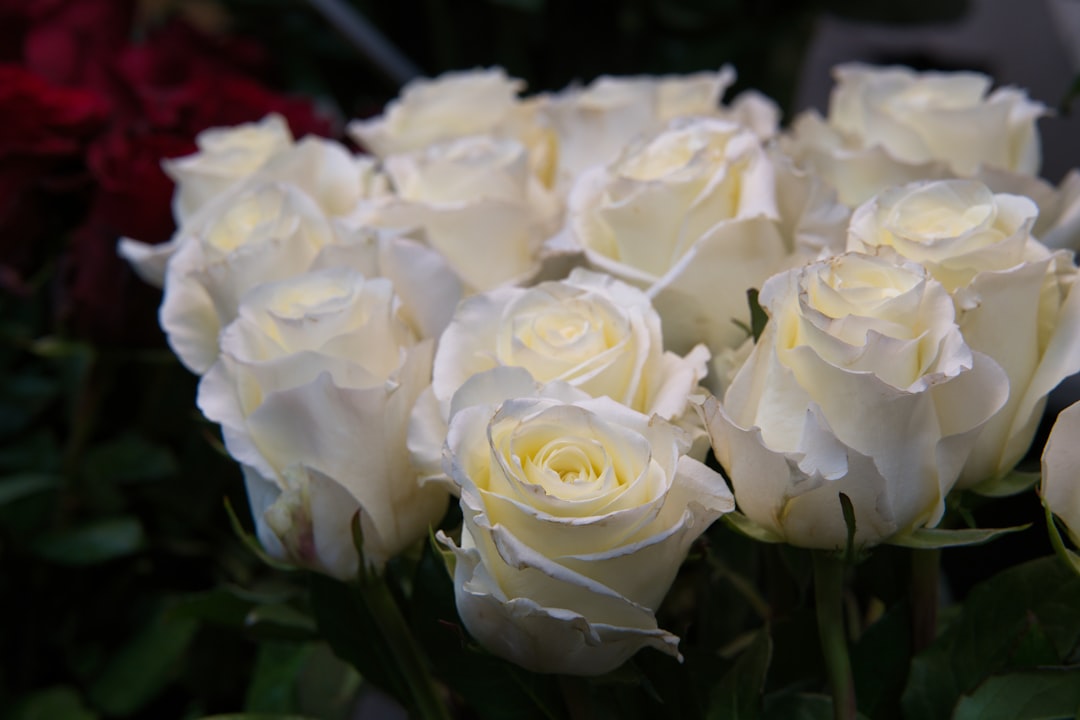
- Flowers (especially for women)
- Chocolates or sweets
- Wine or spirits
- Perfume
- Books
- Small home décor items
For men, alcohol is a particularly common gift. In contrast, women often receive flowers and sweets. Nevertheless, modern celebrations are becoming more individualized.
3. Food and Party Traditions
Traditionally, the host organizes a dinner or evening gathering. Therefore, unlike birthdays in some countries, the person celebrating often provides food for guests.
Typical dishes may include:
- Cold cuts and sausages
- Salads (such as vegetable salad “sałatka jarzynowa”)
- Eggs in mayonnaise sauce
- Aspic dishes (galareta)
- Cakes and pastries
Toasts are essential. Someone will raise a glass saying: “Za zdrowie solenizanta!” (To the health of the celebrant!). In response, the host may reply: “Zdrowie miłych gości!” (To the health of dear guests!).
As the evening progresses, guests may sing “Sto lat.” In more traditional households, dancing or extended conversations continue late into the night.
Most Popular Name Days in Poland
Some names are extremely common and widely celebrated. When a popular name day occurs, entire apartment buildings or villages may host multiple gatherings simultaneously.
Popular male names include:
- Jan
- Andrzej
- Józef
- Wojciech
Popular female names include:
- Anna
- Maria
- Barbara
For official information about public holidays and traditions, you can consult gov.pl. Additionally, broader European cultural context is available via Europa.eu.
Name Day Calendar – Example Dates
Because some names appear multiple times per year, it is important to check a Polish calendar. Below is a simplified example table:
| Name | Example Date | Notes |
|---|---|---|
| Adam | 24 December | Often celebrated on Christmas Eve |
| Anna | 26 July | One of the most popular summer name days |
| Jan | 24 June | Associated with Midsummer traditions |
| Barbara | 4 December | Important in mining communities |
In summary, always verify the correct date using a reliable Polish calendar before offering congratulations.
Name Days in Poland in 2026 – Any Changes?
There are no new laws, fees, or official regulations related to Name Days in Poland in 2026. The tradition remains entirely private and cultural. Moreover, there are no government updates altering the saints’ calendar for 2026.
Therefore, you can expect celebrations in 2026 to follow the same patterns as in previous years. However, digital communication continues to grow. SMS messages, social media posts, and instant messaging have become common ways to send wishes.
In contrast, older generations still prefer in-person visits or phone calls. As a result, understanding the recipient’s age and preferences is helpful.
Social Etiquette: What Foreigners Should Know
If you are an expat, student, or foreign worker, knowing how to handle Name Days in Poland can significantly improve your social integration.
- Check the calendar in advance.
- Send at least a short message.
- Bring flowers if invited.
- Avoid mentioning age.
- Be ready for food and alcohol.
Furthermore, if you live in Poland long-term, learning your Polish friends’ name days can be as important as remembering their birthdays.
For more insights into everyday customs, see Read more about Living on Poland Radar. If you are new to the country, our practical advice section at Read more Guides on Poland Radar may also help.
Name Days vs Birthdays – Key Differences
- Name days are based on saints’ calendars.
- Birthdays are private and age-specific.
- Name days are publicly listed.
- The celebrant often hosts the event.
- Age is not emphasized.
Consequently, some Poles joke that name days are “safer” because nobody counts your years.
FAQ – Name Days in Poland
1. What are Name Days in Poland?
Name Days in Poland are celebrations of a person’s given name according to the Catholic saints’ calendar.
2. Are name days more important than birthdays?
For older generations, yes. However, younger people may prioritize birthdays.
3. Do I need to bring a gift?
Although not mandatory, small gifts such as flowers or chocolates are customary.
4. How do I find someone’s name day?
Check a Polish calendar or online name day database.
5. Are there any official costs or legal requirements?
No. Name days are purely cultural and involve no administrative procedures.
Summary
In conclusion, Name Days in Poland represent a centuries-old tradition deeply embedded in social life. While modernization has influenced how people celebrate, the core customs—wishes, gatherings, and symbolic gifts—remain unchanged. Therefore, whether you are an expat, tourist, or new resident, understanding and participating in Name Days in Poland can open doors to authentic connections and cultural insight.




Pingback: Learning Polish in Poland: 15 Best Resources 2026 - Poland Radar