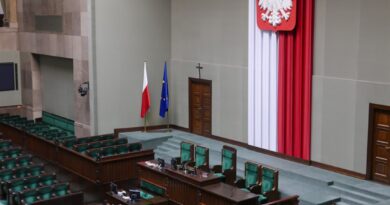
Sejm pauses president’s defense investment bill
Sejm halts the Polish Defense Investment Fund bill pending legal and financial reviews. This affects procurement, budgets, and regional security.
Speaker of the Sejm Włodzimierz Czarzasty announced that the president’s bill will not proceed. The Polish Defense Investment Fund will not be processed until detailed legal and economic analyses finish.
Why the Polish Defense Investment Fund stalls
Czarzasty said lawmakers identified serious constitutional and financial doubts. Consequently, the Sejm will commission thorough reviews before any parliamentary debate. Moreover, the move avoids hasty decisions on a large defence vehicle that could reshape public finances. However, the delay complicates plans for quick arms purchases and industry contracts.
Constitutional and budgetary concerns
Lawmakers flagged potential clashes with Poland’s constitution. In particular, they worry the bill might sidestep existing budget rules. Therefore, critics ask how the fund will interact with annual budget laws. In addition, they question whether the fund could grant open-ended guarantees. The Sejm wants clarity on separation of powers and on oversight mechanisms.
Financing issues and economic impact
Parliamentarians also highlighted weak evidence of stable financing. Consequently, they asked which revenue streams will sustain long-term investments. Moreover, they pointed to public-debt limits and EU fiscal commitments. Therefore, the plan lacks clear sources such as earmarked taxes or state-owned asset sales. In practice, this uncertainty could shift costs to future budgets. That shift might affect social spending and local projects in cities across Poland.
What this means for businesses and local economies
Defence suppliers and regional contractors await the fund’s fate. However, the pause creates immediate uncertainty for firms that planned bids. Consequently, some projects may slow or cancel. Moreover, regional economies that expected new orders could lose momentum. In addition, delays may affect job creation in manufacturing hubs. Therefore, companies should adapt procurement timelines and keep liquidity buffers.
For foreign residents, the case signals two wider trends. First, Poland intensifies scrutiny of major state initiatives. Second, institutions will insist on legal certainty and sustainable funding. In short, the debate shapes how Poland balances defence needs and fiscal discipline. Moreover, it affects NATO-related procurement schedules and regional security planning.
Observers outside Poland should watch the reviews closely. Moreover, the legal and fiscal clarifications will set a precedent for future large state initiatives. Therefore, businesses and foreign residents should prepare for more transparent but slower policymaking. In addition, international partners will expect stable funding for joint programmes.
Source: Read original article