
Easter in Poland 2026: 15 Essential Traditions Expats Must Know
Easter in Poland is one of the most important religious and cultural celebrations of the year — and for expats, it can be both magical and slightly overwhelming. In 2026, Easter Sunday falls on April 5, with Good Friday on April 3, Holy Saturday on April 4, and Easter Monday (Śmigus-Dyngus) on April 6. Most importantly, this creates a four-day long weekend that significantly impacts shops, offices, and travel plans across the country.
Whether you’re new to Poland or experiencing your first spring here, this ultimate 2026 guide explains traditions, costs, public holidays, food, shopping restrictions, and practical survival tips. Furthermore, you’ll learn how to participate respectfully — or at least avoid getting unexpectedly soaked on Easter Monday.
Easter 2026 Dates in Poland
In 2026, the key dates are:
- Good Friday – April 3, 2026
- Holy Saturday – April 4, 2026
- Easter Sunday – April 5, 2026
- Easter Monday (Śmigus-Dyngus) – April 6, 2026
According to the official government calendar, Easter Sunday and Monday are public holidays (Source). In addition, the National Labour Inspectorate confirms the long holiday weekend structure for 2026 (Source).
Although Good Friday is not officially a public holiday in Poland, many international companies and schools may reduce working hours. Therefore, expats working in corporate environments should check internal policies in advance.
Why Easter Is So Important in Poland
Poland is predominantly Roman Catholic, and Easter represents the most significant religious holiday of the year. In contrast to Christmas, which has strong commercial aspects, Easter in Poland remains deeply spiritual and family-oriented.
According to Culture.pl, many Easter customs have remained unchanged for centuries. As a result, even modern cities maintain traditions passed down from rural communities.
Furthermore, the entire 40-day Lent period (starting from Ash Wednesday) prepares believers for Easter Sunday. During this time, many Poles give up sweets, alcohol, or meat as a form of sacrifice.
Palm Sunday (March 29, 2026)
One week before Easter Sunday, Palm Sunday marks the beginning of Holy Week. However, since palm trees do not grow in Poland, people use decorated willow branches known as “bazie.”
These handmade palms are:
- Blessed in church
- Believed to protect homes from misfortune
- Often displayed behind religious paintings
In regions like Kurpie, palm-making competitions produce extremely tall and colorful creations. Consequently, some handmade palms can cost between 20–50 PLN, depending on size and craftsmanship.
Holy Week: Good Friday & Holy Saturday
Good Friday (April 3, 2026)
Good Friday is a solemn day of reflection. Churches organize symbolic “Tombs of Christ” (Grób Pański), which families visit throughout the day. Moreover, many Catholics observe fasting, avoiding meat and limiting meals.
Holy Saturday (April 4, 2026)
Holy Saturday is when one of the most recognizable traditions of Easter in Poland takes place — the blessing of the Easter basket, known as “święconka.”
Families prepare small baskets containing:
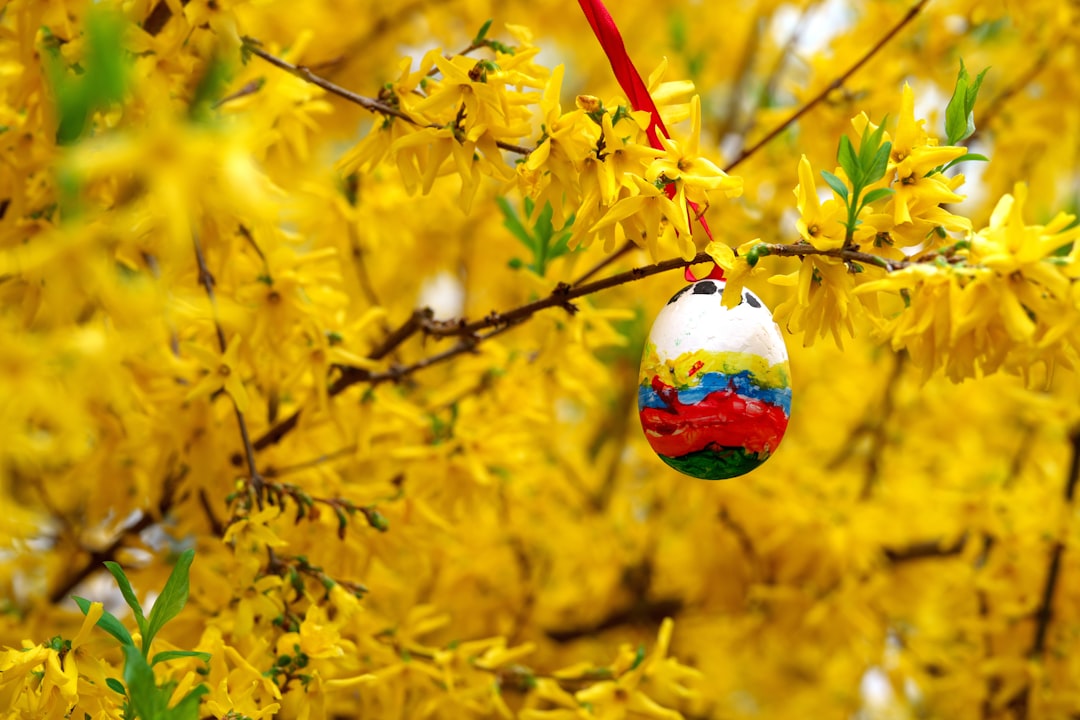
- Eggs (pisanki)
- Bread
- Salt
- Sausage (biała kiełbasa)
- Ham
- Cake (babka or mazurek)
- Sugar lamb (baranek)
Each product symbolizes something different. For example, eggs represent new life, bread symbolizes prosperity, and salt signifies purification. Therefore, even non-religious expats often participate for cultural experience.
Easter Sunday (April 5, 2026)
Easter Sunday begins early with the Resurrection Mass (Rezurekcja). Afterwards, families gather for a festive breakfast. Unlike Christmas Eve dinner, Easter breakfast is meat-heavy and celebratory.
Typical Easter Breakfast Menu
- Żurek (sour rye soup)
- White sausage
- Ham and cold cuts
- Eggs with mayonnaise
- Mazurki (flat decorated cakes)
- Babka (yeast cake)
Most importantly, family members share blessed eggs and exchange wishes before eating. This gesture resembles breaking bread in other cultures.
In comparison to Western Europe, Easter in Poland emphasizes breakfast rather than lunch. Therefore, expect gatherings to begin before noon.
Śmigus-Dyngus (Easter Monday – April 6, 2026)
Easter Monday is playful and chaotic. Known as Śmigus-Dyngus, the day involves splashing water on friends and strangers. Historically, water symbolized purification and fertility.
Today, celebrations range from symbolic sprinkles to full water fights in parks. However, excessive behavior may violate local regulations. As a result, city centers often monitor large gatherings.
For expats, participation is optional but awareness is essential. If you plan to go outside, consider:
- Wearing waterproof clothing
- Avoiding crowded squares
- Protecting electronics
Estimated Easter Costs in 2026 (PLN)
| Item | Estimated Cost (PLN) | Notes |
|---|---|---|
| Święconka basket ingredients | 50–100 | Eggs 10–20, sausage 30–50, cake 20–30 |
| Palm (Palma Wielkanocna) | 20–50 | Handmade versions more expensive |
| Easter market entry | 0–20 | Craft items 5–15 per pisanka |
| Easter breakfast (4 people) | 200–400 | Meat prices rising 10–20% vs 2025 |
Due to inflation and tourism growth, prices at Easter markets may increase by 10–20% compared to 2025. Therefore, early shopping is recommended.
Shopping & Opening Hours During Easter
Poland enforces strict Sunday trading laws. Consequently:
- Good Friday – normal working day
- Holy Saturday – shops close early (usually 1–2 PM)
- Easter Sunday – almost all stores closed
- Easter Monday – mostly closed
Pharmacies and selected convenience stores may remain open. In addition, some gas stations operate 24/7.
For more lifestyle guidance, visit Read more about Living on Poland Radar. If you’re unsure about holiday employment rules, check Read more about Work on Poland Radar.
Regional Easter Differences
Although Easter in Poland is nationally unified, regional details vary.
- Kurpie: Intricately decorated pisanki and tall palms
- Kraków: Famous Easter markets in the Main Square
- Podhale: Highlander-style decorations and traditional costumes
In rural areas, traditions tend to be more elaborate. Meanwhile, large cities often blend tradition with tourism.
Travel & Tourism Tips for Expats
Since many Poles travel to visit family, trains and buses fill quickly. Therefore, booking tickets at least two weeks in advance is advisable.
Additionally, hotels in Kraków, Zakopane, and Gdańsk experience high demand. As a result, prices may surge during the long weekend.
If you are planning a city break, Easter markets typically begin in March. However, check local event calendars for exact opening dates.
FAQ – Easter 2026 in Poland
1. Is Easter in Poland a public holiday?
Yes. Easter Sunday and Easter Monday are official public holidays, meaning most businesses are closed.
2. Are shops closed during Easter in Poland?
Yes. Nearly all major supermarkets are closed on Easter Sunday and Monday, with limited exceptions.
3. What is Śmigus-Dyngus?
It is Easter Monday water-splashing tradition symbolizing purification and renewal.
4. Do expats need to participate in religious customs?
No. Participation is optional. However, understanding traditions helps with cultural integration.
5. How much does Easter celebration cost in 2026?
A modest family Easter breakfast for four people may cost between 200–400 PLN, depending on food choices.
Summary
In summary, Easter in Poland in 2026 runs from April 3 to April 6 and combines deep religious meaning with colorful folk traditions. From Palm Sunday blessings and basket ceremonies to festive breakfasts and water fights, the celebration offers a unique cultural experience. However, strict shopping closures require advance planning. Therefore, expats should prepare groceries early, book travel in advance, and embrace the opportunity to connect with Polish traditions.
Ultimately, understanding Easter in Poland will help you navigate the holiday smoothly — and maybe even enjoy getting splashed on Easter Monday.