Why you’re billed for heating even with cold radiators
Many expats get surprise charges. This guide explains why heating bills in Poland arrive even when radiators are off.
Many residents turn down radiators and still face a steep charge. Such heating bills in Poland can surprise expats who expect a direct meter-to-bill link.
How the building bill becomes your bill
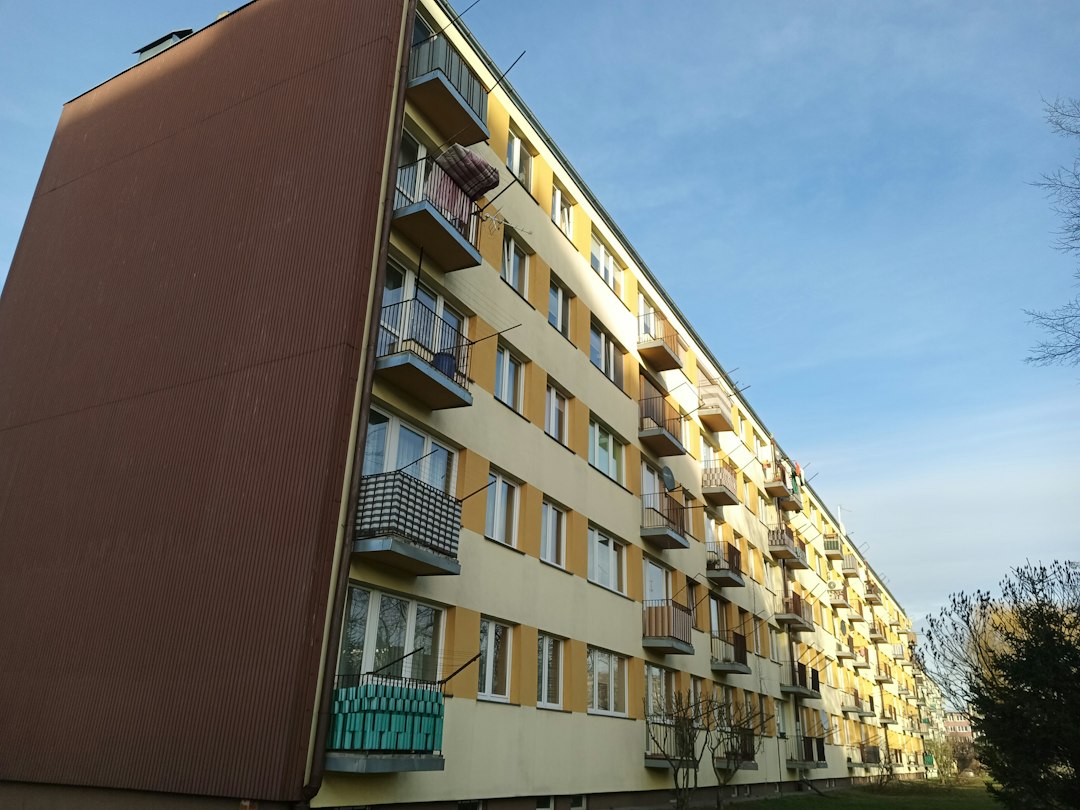
When a building uses a district heating network, the supplier invoices the entire property. The housing cooperative or owners’ association then divides that bill among flats. A spółdzielnia (housing cooperative) decides the method. Therefore you do not pay only for heat from the radiator in your living room. The final settlement must include charges independent of your valve settings and the cost of heating common areas.
Why heating bills in Poland can be high despite cold radiators
Contracts with the supplier include fixed fees. They cover ordered thermal power and a standing transmission service. The building pays for the readiness to deliver heat. That fee does not disappear when one resident closes their valves. For example, MGSM “Perspektywa” states it divides fixed costs by apartment area. It also lists costs for heating common rooms, allocated by area. Spółdzielnia Mieszkaniowa „Filar” separates a supplier fixed part, a shared variable part, and a part split by heat allocators (podzielniki). Even a zero reading on an allocator can still leave you liable for costs not tied to individual meter values.
Concrete example: 50 m² and a 720 zł shortfall
SM „Na Skraju” published an educational example for a 50 m² flat in a system without allocators. The figures below come from that publication. They illustrate how a top-up appears even when residents paid monthly advances.
Cost fixed for central heating: 50 m² × 1,50 zł × 12 months = 900 zł. Variable cost for central heating: 50 m² × 4 zł × 12 months = 2400 zł. Fixed cost for hot water: 25 zł per flat × 12 months = 300 zł. Heating used water: 2 m³ × 30 zł × 12 months = 720 zł. Total = 900 + 2400 + 300 + 720 = 4320 zł. Paid advances: 300 zł × 12 months = 3600 zł. Resulting shortfall = 4320 zł − 3600 zł = 720 zł.
Note the key line: 2400 zł. In that model the building divides the cost of delivered heat by apartment area. Closing your radiator does not remove that line. Reducing consumption can lower the building’s total bill. Still, the allocation to your flat can remain area-based.
What heat allocators measure and why they do not tell the whole story
The device on your radiator works as a cost allocator, not a heat meter showing gigajoules. It helps divide a portion of the building bill. Flats also receive heat through pipes, walls, and floors next to heated neighbours. SM „Nowa” warns that overcooling a flat may raise neighbours’ demand. Regulations for methods using allocators set minimum and maximum variable cost shares. A very low reading may not yield an equally low final charge. You must check any coefficients that apply to your flat, including position-based adjustments.
Annual reconciliation compares the amount assigned to your flat with the advances you paid. If advances were too low, you face a top-up even with modest consumption. SM „Nowa” published collective data for the 2025/2026 season in September 2026 showing about 81 percent of flats received a refund and about 19 percent had to pay more. The co-op stressed that a top-up does not necessarily mean very high personal consumption.
Source: Read original article
📚 Looking for more help settling in Poland? Browse our complete Expat Guides.