
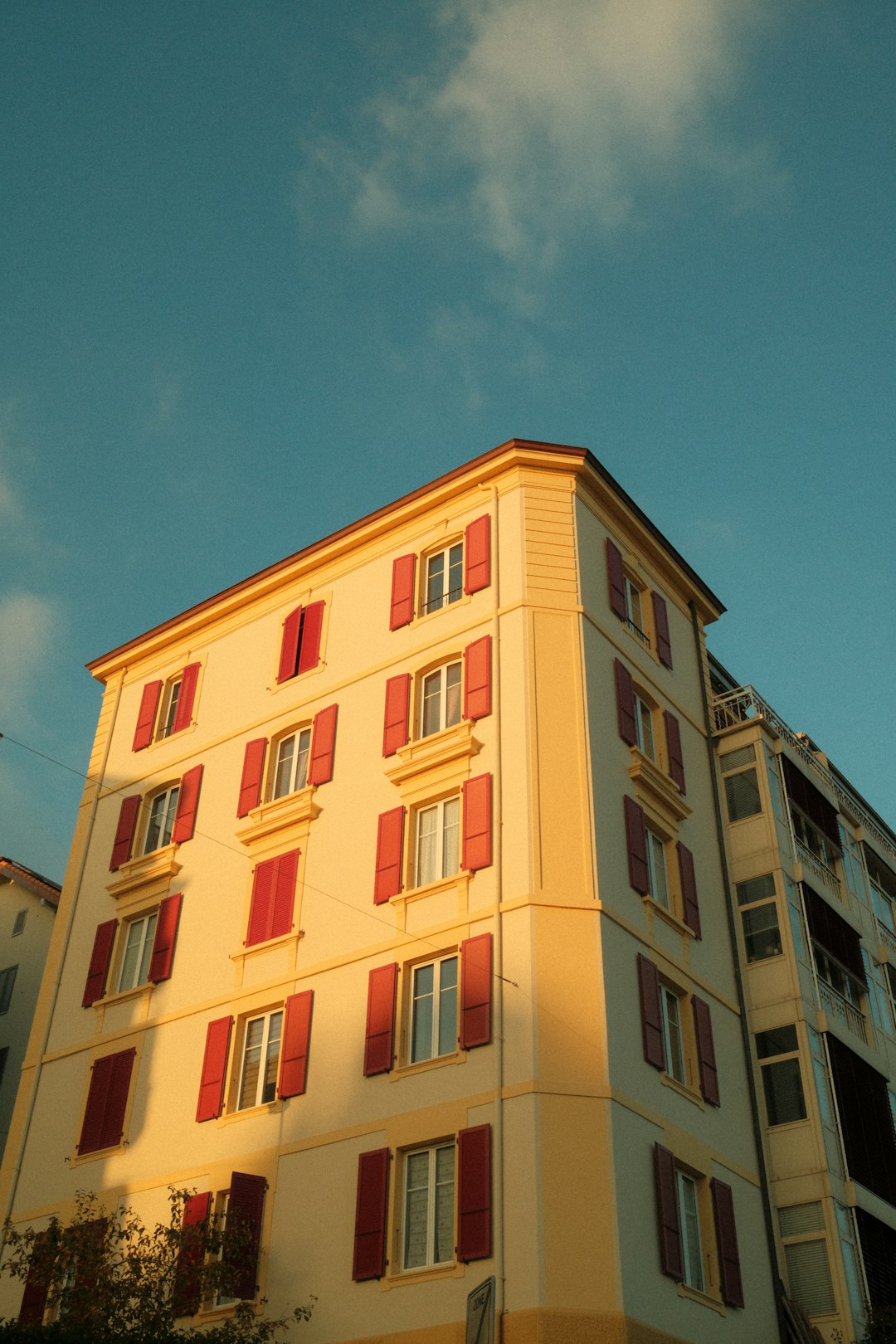
We Do the Opposite of Italians — Try Night Ventilation
Polish habits during heatwaves backfire. Learn the Italian night ventilation method to cool apartments without AC.
When Polish homes feel stifling, a familiar reflex appears: throw open the windows. However, that instinct can make apartments hotter. Moreover, a simple Italian practice known as night ventilation offers a smarter way to cool living spaces.
The principle of night ventilation
In Italy, residents follow a clear routine. Consequently, they open windows early in the morning. Then they close shutters and blinds when the sun rises. Therefore, they trap cooler air inside and block direct heat. In addition, building materials remain cooler. As a result, interiors stay pleasant for longer. Night ventilation uses cool night air to flush heat from walls and floors. Moreover, researchers call this strategy an effective passive cooling method.
Why our instinct to open windows midday backfires
Polish reflexes make sense in spring and autumn. However, when outside air becomes hotter than indoors, open windows draw heat in. Consequently, walls and furniture absorb this energy. Then they release it back into rooms for hours. Therefore, opening windows at noon can raise peak indoor temperatures. In addition, many Polish flats sit on top floors and heat faster. Also, older buildings often lack effective external shades. Consequently, they heat and cool slowly.
Practical steps to cool your flat
Start early. In the morning, open windows wide to replace warm indoor air. Moreover, create a cross-breeze by opening windows on opposite sides of the apartment. Then close windows and lower external blinds or shutters when the sun starts to heat walls. Therefore, keep interiors ‘closed’ all day. In the evening, reopen windows when the outside air grows cooler. Also, use fans smartly. For example, push cool night air in with a fan at the window. However, reverse fans during midday to draw hot air out. In addition, hang damp sheets near windows to cool airflow by evaporation. Finally, avoid cooking and heavy appliance use during peak heat. Moreover, switch to salads and cold meals on hot days.
These steps cannot fully replace air conditioning in extreme heat. However, they often lower peak temperatures by a few degrees. Moreover, you need no expensive equipment. Therefore, you can try them tonight. In addition, local climate and building insulation affect results. Consequently, top-floor flats require more shading discipline. Finally, good ventilation habits can make city summers more bearable.
Source: Read original article
📚 Looking for more help settling in Poland? Browse our complete Expat Guides.