Spain and Germany: Hundreds See Doctors After Eclipse
After the August 12 eclipse, Spain and Germany saw many eye injury cases. Learn about solar eclipse eye damage and what expats in Poland should do.
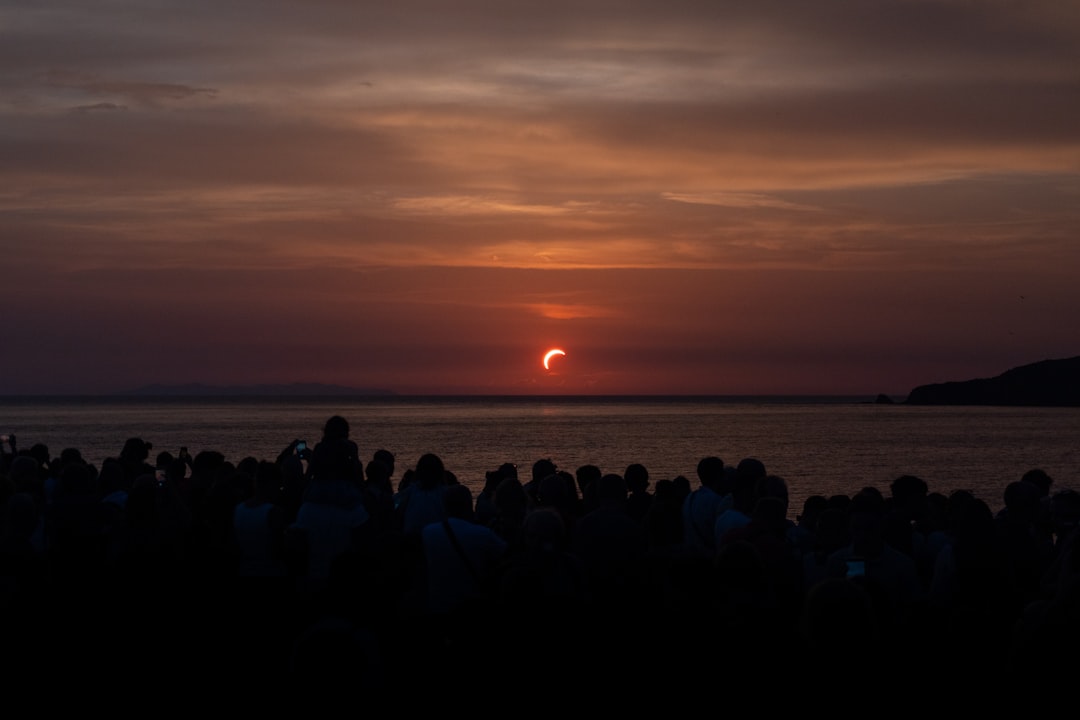
Hundreds of people in Spain and Germany sought hospital care after the August 12 solar event. Consequently, the spike raised fears about solar eclipse eye damage among casual viewers.
What happened in Spain and Germany
In Spain clinicians treated over 300 people for eye pain and blurred vision. Moreover, Madrid logged 101 interventions alone. In Germany three clinics in Mannheim, Stuttgart and Freiburg admitted nearly 50 patients. However, most of those cases followed partial eclipses. Therefore, many observers misjudged the risk because cloud cover dimmed the Sun.
Understanding solar eclipse eye damage
Experts call the injury solar retinopathy. It affects the retina, especially the fovea. In addition, the damage does not cause pain. Consequently, victims often do not notice symptoms immediately. For example, a dark or grey spot can appear hours or days later. Moreover, straight lines may look wavy. Therefore, OCT scans often reveal photoreceptor layer damage. Also, no instant cure exists for severe retinal burns.
Why Poland’s pattern differed
Polish hospitals reported no comparable influx. However, Google searches surged instead. In fact, searches for “eye pain” rose by over 5,000 percent on the evening of August 12. Therefore, most worried Poles turned to the internet. In addition, the eclipse over Poland remained deeply partial. For example, the Moon covered 42 percent of the Sun in Bieszczady. In contrast, Warsaw saw about 82 percent coverage. Moreover, western regions reached near 85 percent. Still, no region in Poland experienced totality. Thus, the risk persisted everywhere.
The difference in behaviour matters. Firstly, Spanish and German viewers sometimes used sunglasses. However, sunglasses do not block harmful infrared and ultraviolet rays. In addition, looking through binoculars or a camera lens without a certified filter concentrates radiation. Therefore, the effect can become worse quickly. Certified filters meet ISO 12312-2. Also, safe filters are far darker than typical sunglasses.
When to see a specialist remains simple. See an ophthalmologist if you lose sharp central vision. Also, visit if colors fade or lines look distorted. Conversely, if you used certified ISO glasses during the eclipse, you can relax. Moreover, a lunar eclipse on August 28 poses no risk and you can view it safely without protection.
Poland did not record the hospital wave. However, the search spike tells a larger story. It reveals how people access care and information. In addition, it shows trust in online answers over immediate clinic visits. Therefore, expats should know local routes to urgent care before an event.
Source: Read original article
📚 Looking for more help settling in Poland? Browse our complete Expat Guides.