Warsaw readies 120 emergency buses
City ordered 120 articulated buses convertible to stretchers. Warsaw emergency buses will serve the most vulnerable during floods, industrial or military crises.
The city of Warsaw signed a landmark contract for 120 articulated buses that convert into transport for stretchers and casualties. Warsaw emergency buses will operate on normal routes daily and switch roles within minutes in a crisis.
What the city bought and why it matters
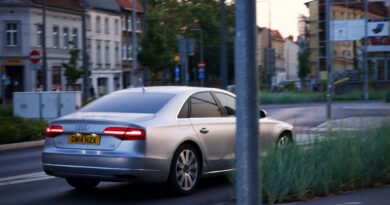
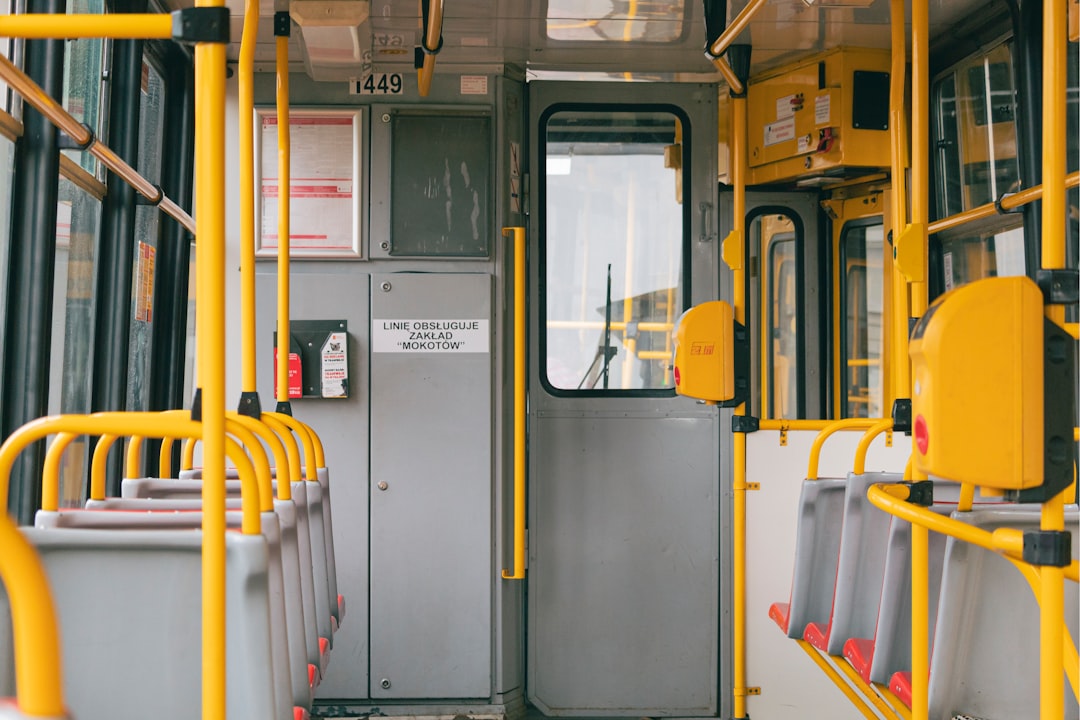
In December 2025 the municipal transit authority signed a 324 million PLN deal. Consequently, Solaris will deliver 120 Solaris Urbino 18 diesel buses. Moreover, each bus will accept four stretcher mounts. Therefore, crews can fit mounts quickly without workshop tools. The first vehicles arrive in late 2026. In addition, the contract allows an option for 100 more buses. Meanwhile the city seeks central funding via the national Civil Defence programme.
Why diesel and not electric
The city chose diesel engines deliberately. In a widespread power outage electric buses can stop for lack of chargers. Consequently diesel buses keep moving while the grid fails. Moreover the fleet needs to travel long distances under harsh conditions. Therefore an internal combustion engine offers operational resilience. However the choice breaks from Warsaw’s broader decarbonisation drive. The tradeoff reflects survival priorities in crisis scenarios.
Legal priority and the hard numbers
Polish law sets clear evacuation priorities. The government issued rules in May 2025 under a new civil defence law from December 2024. As a result the city will transport first hospital patients, children from care institutions, pregnant women, and persons who cannot move independently. Consequently buses with stretchers will serve people with severe medical needs and residents of care homes. However the arithmetic is stark. One hundred and twenty buses with four stretchers each provide 480 lying places. By contrast Warsaw counts over 400,000 post-retirement residents. Therefore organised transport will only reach a tiny fraction of those who may need help.
Who this helps and who must plan ahead
These buses strengthen the system for the most vulnerable. In addition they matter most in outer districts with sparse transport, such as Wawer, Białołęka, Ursus and Wilanów. However most able-bodied residents must self-evacuate. Consequently authorities expect many people to use cars or walk to shelters. Moreover the system favours those already in institutions. Therefore reaching isolated seniors who live alone remains a practical challenge.
For expats the implication is simple. Prepare and communicate your needs. Register vulnerable household members with your district office. In addition learn local shelter points and bring paper copies of documents used for residency, health insurance, and ID. Consequently you raise your chance of swift help when minutes matter.
Source: Read original article
📚 Looking for more help settling in Poland? Browse our complete Expat Guides.