Harvest Bread Tradition: How Poland Bakes Its Symbol
Discover the harvest bread tradition in Poland and why this decorated loaf matters to communities and expats.
The harvest bread tradition remains a vivid part of Polish rural life today. Moreover, bakers and local groups still craft ornate loaves for dożynki harvest festivals.
What we observed at GS Konopnica
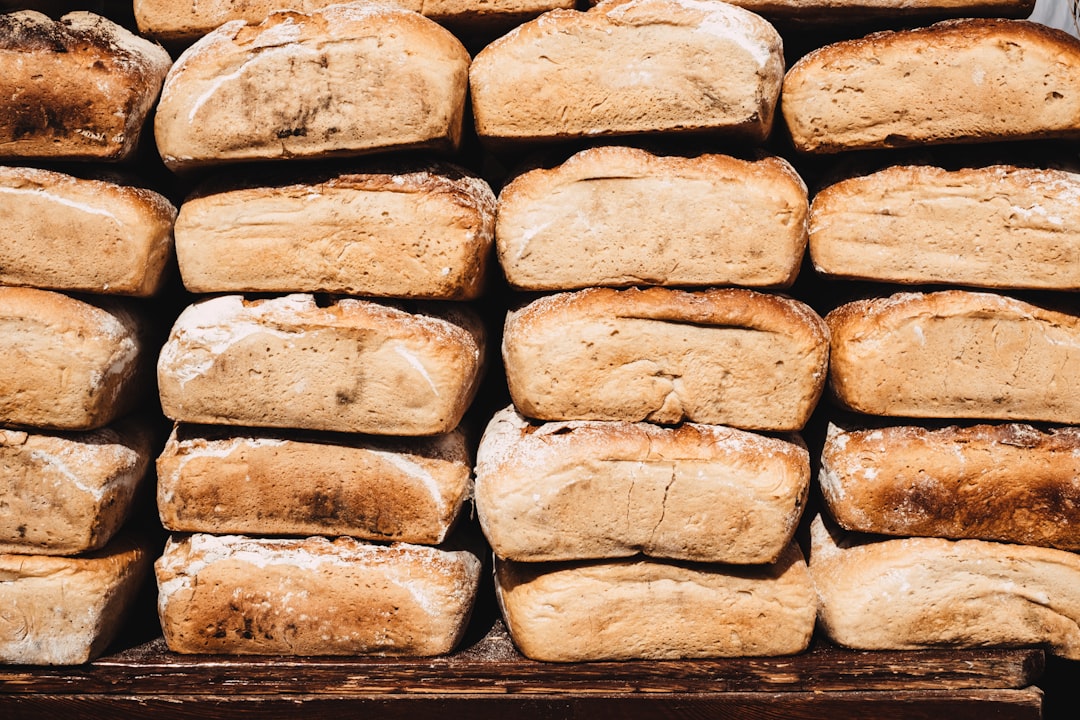
We visited the GS Konopnica bakery in Kozubszczyzna. Consequently, we watched artisans shape a ceremonial loaf by hand. Moreover, the bakery opened in 1972 and preserves old methods. Therefore, most dough work stays manual. Furthermore, they use only the best ingredients. Consequently, the result tastes distinct. However, they do not only bake. They decorate the loaf with wheat ears, flowers, and dough ornaments. In addition, they finished the bake in a wood-fired oven. Therefore, the crust gained deep color and unique flavor. Moreover, staff said few bakeries still use such ovens in Poland.
Why the harvest bread tradition matters
The loaf marks the end of the hardest seasonal work. Moreover, farmers see the bread as the harvest’s symbol. Therefore, families and villages celebrate together. Consequently, people share the loaf to show unity. Furthermore, the master of ceremonies or named elders normally present the bread. In addition, sharing the loaf expresses the wish that no household go hungry. Moreover, the decorations symbolize abundance and respect for nature.
Regional variations and social role
Different regions use distinct motifs and shapes. Consequently, a loaf from Lesser Poland can look unlike one from Lublin Voivodeship. Moreover, local women’s circles, called koła gospodyń wiejskich, often lead preparations. Therefore, the craft passes between generations. In addition, the loaf helps villages maintain identity. Furthermore, festivals provide a chance to meet neighbors and visitors. Consequently, they strengthen community ties and rural pride.
The harvest bread tradition thus remains more than a ritual. Consequently, it connects food, faith, and labor. Moreover, it teaches respect for seasons and for the people who produce food. Therefore, whether you live in the city or the countryside, you can learn from the gesture of sharing bread. In addition, attending a dożynki event can introduce you to local produce and skills. Finally, bakers like those at GS Konopnica keep old recipes alive for new generations.
Source: Read original article
📚 Looking for more help settling in Poland? Browse our complete Expat Guides.