
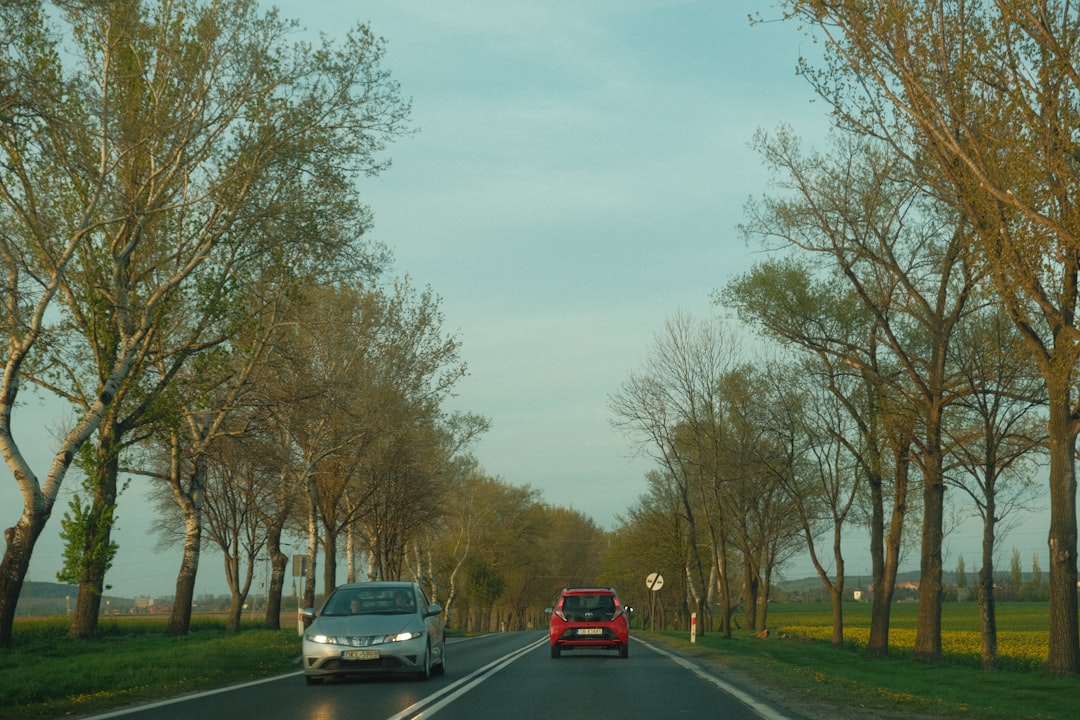
Big Changes to Poland Driving Test
Poland driving test overhauled: manoeuvre area removed, theory streamlined, new exam centre planned to focus on real road skills.
The Ministry of Infrastructure plans to remove the manoeuvre area from the Poland driving test. Consequently, candidates will face practical exams only in normal traffic, not on a closed box course.
Poland driving test: What will change
The ministry announced a major reform for category B practical exams. Today, examiners test candidates on a manoeuvre area. There, learners perform tasks like hill starts and reverse curved parking. However, the plan would drop that stage from the formal exam. As a result, candidates will drive directly in live traffic. Moreover, authorities want examiners to assess decision making. They will score responses to dynamic hazards and real-world behaviour. Therefore, the test will focus on useful skills over rehearsed tricks.
Why the manoeuvre area mattered
The manoeuvre area proved a bottleneck for years. Statistics show up to 40 percent of candidates failed at that stage. For many, the closed course caused anxiety and unrepresentative mistakes. In addition, instructors often teach strict routines to pass that part. Consequently, critics argued the area rewarded rote learning. The ministry responded by saying the change will make exams fairer and more relevant. Furthermore, the manoeuvre area will remain in driving courses. Trainers will still practise those skills with learners. However, examiners will no longer grade them as a gatekeeping task.
Changes to the theory test and system
The reform also targets the theoretical exam. Currently, the question bank holds over 3,500 items. The ministry plans to cut that number by almost half. New items will show practical road scenarios. Also, officials plan to publish the entire question base. Therefore, candidates will not have to memorise obscure items. In addition, the government intends to create a new Exam Centre. The institution will draft questions and standards. It will work with instructors, examiners, police, and road-safety experts. Consequently, the process may become more transparent and consistent. Officials expect the reforms to roll out by 2026.
Overall, the ministry wants exams that mirror everyday driving. Consequently, the system will emphasise hazard perception and sound judgement. Moreover, candidates may find the initial exam less nerve-wracking. However, they will still need solid, practical training for real roads.
Source: Read original article