Basement Storage Rules: Inspections and Fines in Warsaw
Warsaw blocks face systematic checks as administrators enforce basement storage rules to prevent fire risks and fines for residents.
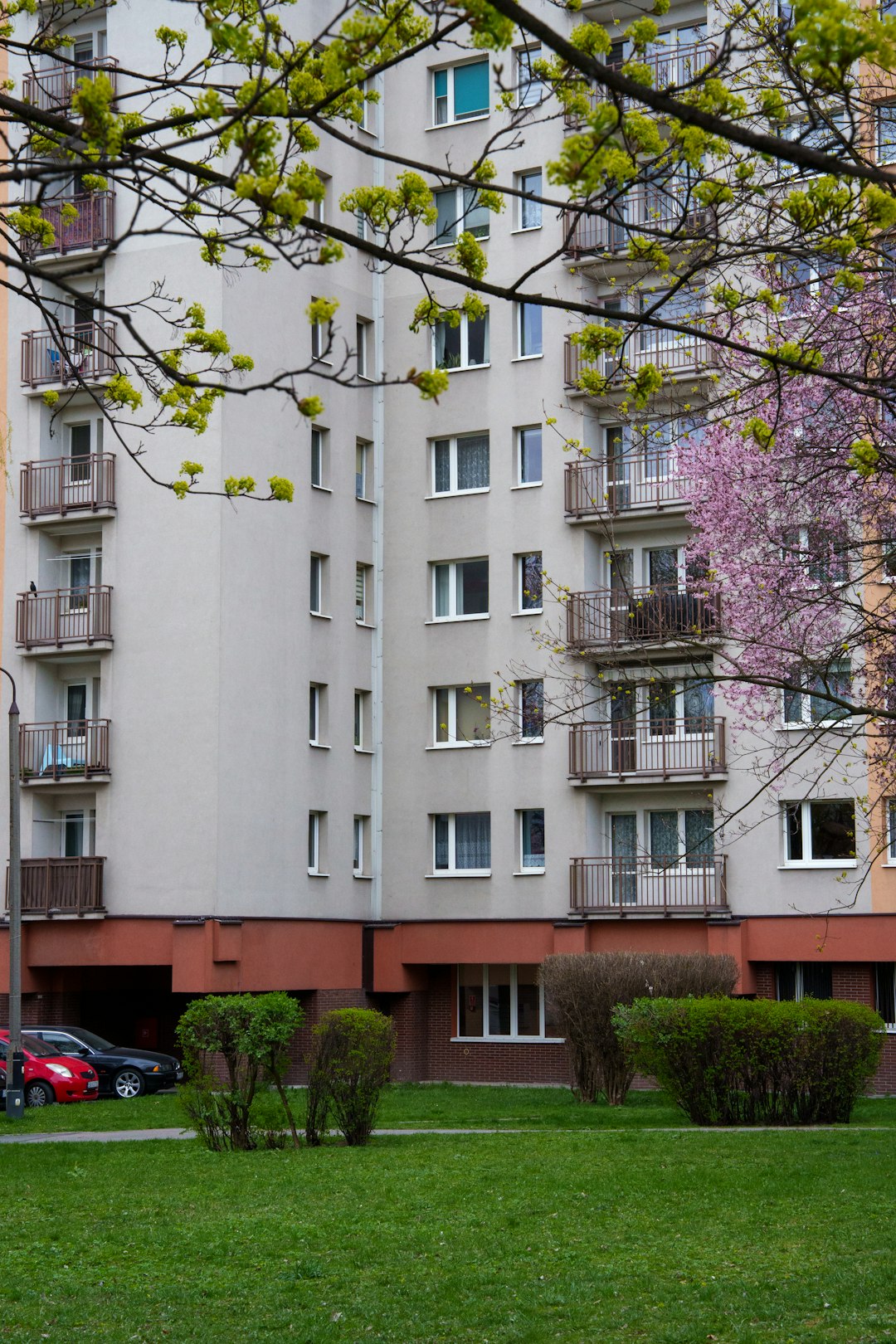
Basement storage rules are now triggering systematic inspections in Warsaw apartment blocks. Consequently, administrators and the State Fire Service carry out checks and issue orders or fines when they find hazards.
What administrators check: basement storage rules and common hazards
Managers inspect communal basements regularly. Moreover, they check corridors, access to utilities, and fire equipment. They look for blocked escape routes and materials that may fuel a fire. In addition, they examine tanks, solvents, paints, batteries, and items that release gas. Therefore, they often demand removal of dangerous goods. Furthermore, they may notify the State Fire Service if they find serious threats.
How inspections work and legal basis
Building owners, housing cooperatives, or property managers must ensure fire safety. As a result, they schedule periodic rounds and react to reports. The State Fire Service (PSP) issues guidance and may inspect separately. However, PSP follows rules. For example, it gives written notice for non-urgent checks. If PSP suspects immediate danger, it can act faster. The Polish offence code also applies. Article 82 of the Kodeks wykroczeń allows fines or arrest for blocking escape routes or unsafe storage. In practice, managers issue removal notices first. Consequently, enforcement tends to escalate only after warnings.
Which items are forbidden or need care
Officials ban gas cylinders, even if marked empty. They ban gasoline, solvents, and other liquids with low flash points. Moreover, certain paints, aerosols, and glues are prohibited when labelled flammable. Fireworks, ammunition, and explosive remnants are also forbidden. In addition, vehicles with fuel and connected batteries cannot sit in non-garage basements. Bicycles, boxes, and furniture on common corridors can obstruct rescue teams. Therefore, residents must keep corridors clear at all times.
Practical steps before the next inspection
First, check labels on bottles and cans. Do not store unknown fluids in drink containers. Second, remove gas cylinders and flammable liquids before the control. Third, keep corridors free of crates, frames, or bikes. Furthermore, follow the building bylaws. They may set stricter rules than national law. Finally, never ignore a written notice. You risk a formal order from the commander of municipal PSP or a fine (mandat).
Source: Read original article
📚 Looking for more help settling in Poland? Browse our complete Expat Guides.