81st Krakow Pogrom Anniversary: Memory and Meaning
The 81st Krakow pogrom anniversary recalls the 1946 attacks in Kazimierz and explains why expats should care about memory and civic safety.
The city marks the 81st Krakow pogrom anniversary on August 11. In 1946, mobs attacked Jewish residents in Kraków’s Kazimierz, and they damaged and burned the Kupa synagogue.
Krakow pogrom anniversary: what happened and why it matters
Witnesses described chaos on the streets. Consequently, survivors and families suffered renewed trauma. Moreover, rioters looted homes and destroyed community property. However, the event also revealed broader social tensions. In addition, rumours and postwar shortages fed anti-Jewish sentiment. Therefore, the attacks stand as one of the most painful episodes in Kraków’s postwar history.
Historical and local context
Kazimierz served as the historic Jewish quarter for centuries. Consequently, its synagogues and homes symbolise a long cultural presence. Moreover, the Kupa synagogue had long functioned as a centre for worship and community life. However, the violent eruption in 1946 erased many traces in one night. In addition, the broader postwar period saw displaced populations and contested property claims. Therefore, historians study how poverty and rumours escalate into violence.
Relevance for expats and visitors
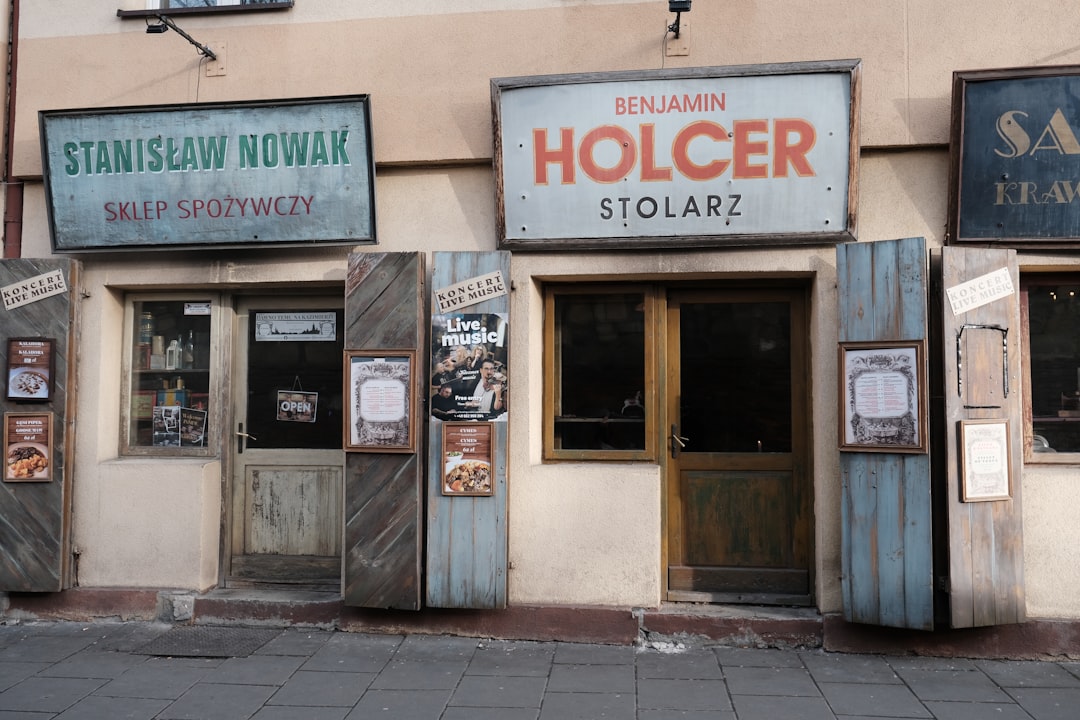
Expats might see Kazimierz today as a vibrant neighbourhood. However, the layers of history remain visible in plaques and museums. Consequently, knowing the past helps visitors behave respectfully at memorials. Moreover, civic memory affects local politics and cultural programming. In addition, public commemorations shape the city’s tourism calendar. Therefore, attend events with sensitivity and heed guidance from local community leaders.
Today, municipal authorities and Jewish organisations hold commemorations. Consequently, ceremonies include speeches, moments of silence, and walks through Kazimierz. Moreover, the city funds preservation of synagogues and memory sites. However, civic work remains ongoing to educate new generations. In addition, schools and cultural centres offer exhibitions and talks that explain the roots of postwar violence.
For expats, the lesson goes beyond history. Consequently, it speaks to issues of misinformation and social cohesion. Moreover, it reminds residents to engage civilly with neighbours. Therefore, when you hear rumours, verify facts. In addition, support local charities that promote interfaith dialogue and victim support. Finally, learning local history improves integration and civic awareness.
Source: Read original article
📚 Looking for more help settling in Poland? Browse our complete Expat Guides.