50 Vintage Photos of Wroclaw in the 1990s
A rare gallery of 50 photos captures Wroclaw in the 1990s, showing the city’s rapid change and everyday life that expats should understand.
Wroclaw in the 1990s returns in a striking set of 50 newly digitized photographs. These images record street life, architecture, and moods that no longer exist. Consequently, they reveal why long-time residents feel deep nostalgia.
What the photos show and why they matter
The collection focuses on the second half of the 1990s and the year 2000. Moreover, the pictures show transitional cityscapes after communism. Investors arrived, and private shops appeared. Therefore, you see rebuilds beside older facades. The photos capture trams, market stalls, and fashions. In addition, you notice cars and signs that tell stories about everyday life. As a result, the gallery helps outsiders grasp urban change. Furthermore, it explains how Wroclaw evolved before Poland joined the EU in 2004.
Social and economic context behind the images
Poland faced rapid reforms during that era. Consequently, cities like Wroclaw changed fast. Businesses privatized, and new shops opened. However, public services remained in flux. For example, pensions came under ZUS (Zakład Ubezpieczeń Społecznych, the social insurance institution). Moreover, healthcare moved toward NFZ (Narodowy Fundusz Zdrowia, the National Health Fund). In addition, many people lacked stable contracts. Therefore, street life often reflected precarious work and swift social shifts. Nevertheless, cultural life boomed. Art venues reappeared, and festivals grew. Thus, the images show both hardship and creativity.
Wroclaw in the 1990s: city form and urban memory
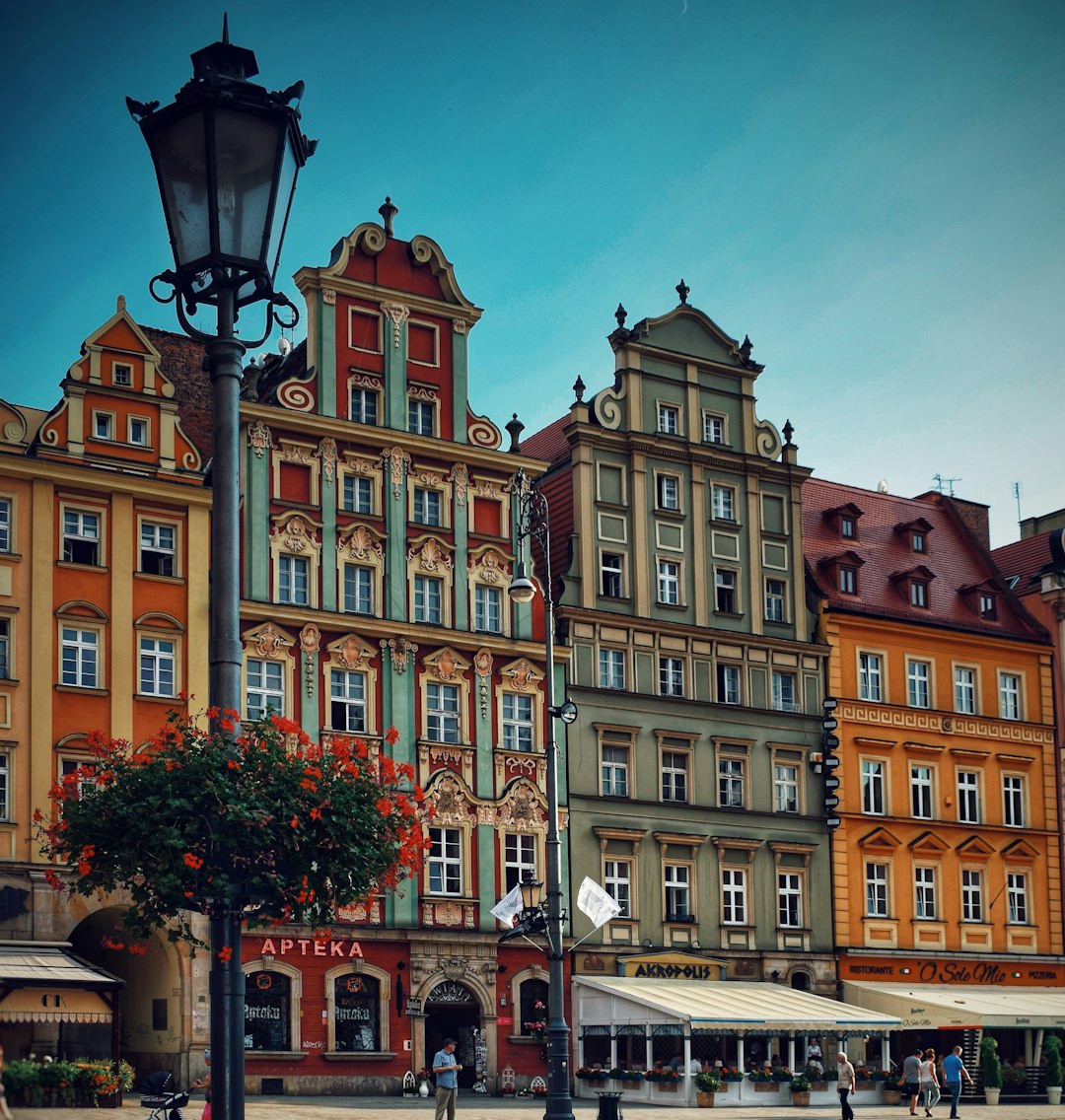
The photos highlight landmarks that locals still recognize. Moreover, you see the Old Town with peeling plaster and new cafés. City planners later renovated many buildings. Consequently, today’s clean squares contrast with the photographs. However, some small shops and courtyards survive unchanged. In addition, the pictures document municipal services and informal economies. For example, you may spot street vendors receiving a mandat (fine) from police. Thus, the gallery anchors memory in everyday detail.
The gallery therefore offers more than nostalgia. It serves as a visual primer for newcomers. Moreover, it shows how fast cities adapt to markets and culture. As a result, expats can better read the urban fabric and local rhythms. Finally, these 50 photographs prove that history often lives in small details.
Source: Read original article
📚 Looking for more help settling in Poland? Browse our complete Expat Guides.