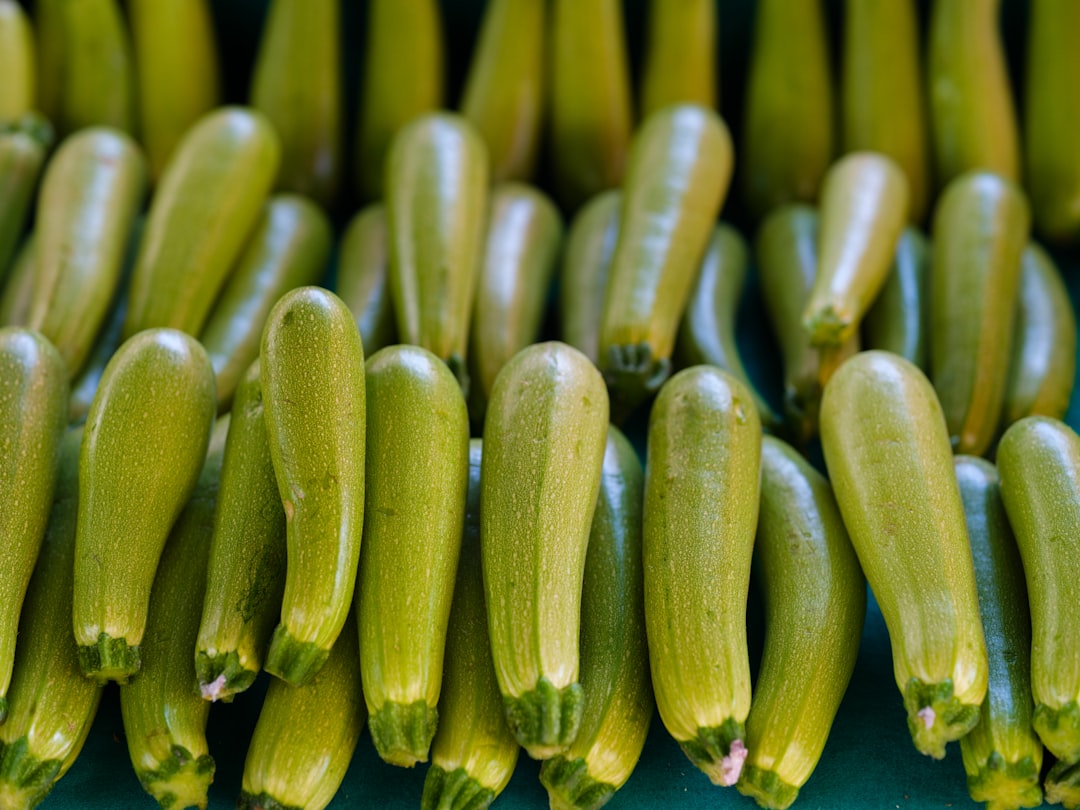
Zucchini Recipes: Quick Polish Zucchini & Squash Ideas
Explore easy Polish zucchini recipes and kabaczek dishes. Learn differences, quick recipes, and preserving tips for expats in Poland.
Zucchini recipes are seeing a seasonal surge in Polish kitchens this September. Farmers and home gardeners harvest abundant courgettes and kabaczki now, and cooks look for fast, tasty ways to use them.
What is the difference between zucchini and kabaczek?
Zucchini and kabaczek look similar, but they differ slightly in texture. Zucchini usually stays firmer when cooked. Kabaczek can be softer and milder. Moreover, chefs choose kabaczek for purees and baking. However, home cooks use zucchini for grilling and frying. In addition, both store well for a few days in a cool place.
zucchini recipes: simple dishes to try
Try a quick zucchini pâté with onion and herbs. You can roast slices, then blend with olive oil. Moreover, add garlic and a squeeze of lemon for brightness. Try pickled zucchini as well. Consequently, fermenting thin slices creates tangy side dishes. In addition, make stuffed kabaczek for a heartier meal. Use minced meat or rice and mushrooms. However, vegetarians can stuff them with cheese and herbs. Therefore, these dishes fit weeknight dinners and picnic menus.
Preserving and pickling: kiszona cukinia and more
Poles often ferment vegetables, and zucchini joins that list. Kiszona cukinia means pickled or fermented zucchini. Moreover, the technique mirrors sauerkraut. Consequently, the jars develop deep flavors after several days. In addition, you can quick-pickle zucchini in vinegar the same day. Try small jars if you lack storage space. However, follow hygiene rules to avoid spoilage. Therefore, cool storage and proper lids help preserve batches.
The original article features recipes and short cooking tips. Moreover, it mentions both zucchini and kabaczek uses. Therefore, readers can adapt ideas to seasonal produce. In addition, the story gives simple steps suitable for busy expats.
For expats, zucchini and kabaczek offer low-cost, nutritious options. Moreover, these vegetables adapt to many cuisines. Therefore, you can mix Polish recipes with familiar spices. However, expect some local names to vary by region. In addition, the Dziennik Bałtycki link shows regional takes from northern Poland.
Try recipes that suit your kitchen and budget. Moreover, save jars for the winter. Consequently, you can enjoy summer flavors year-round.
Source: Read original article
📚 Looking for more help settling in Poland? Browse our complete Expat Guides.