
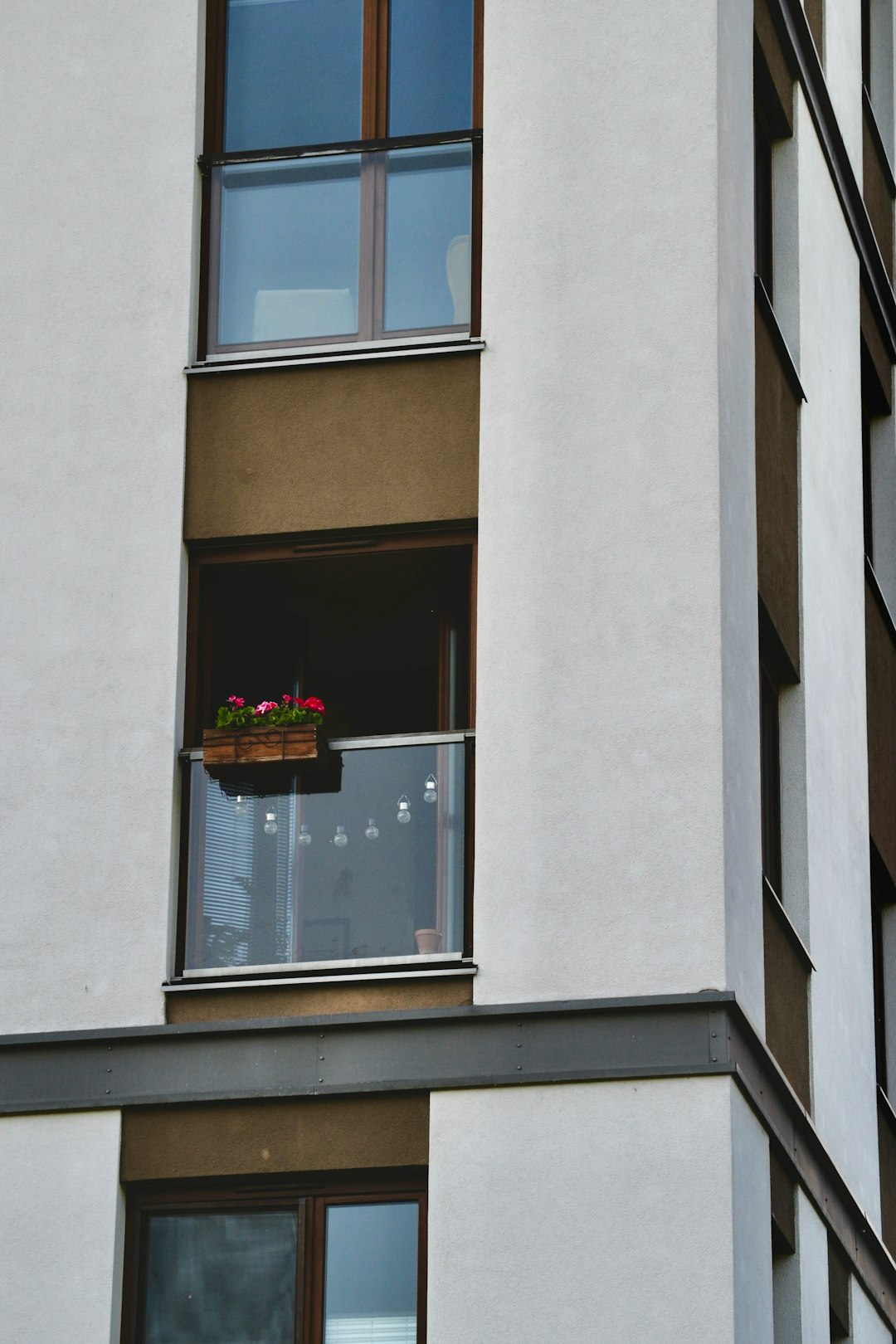
You May Pay for Your Neighbour’s Balcony Repairs
New draft law would make communities cover balcony repair costs, changing who pays. Read what expats should watch.
The government has proposed a change that could shift balcony repair costs onto all flat owners. Consequently, owners without balconies may still pay into repair funds. However, this is a draft and not yet law.
What the draft says about balcony repair costs
The bill would list structural balcony elements as common property. Therefore, communities would fund repairs from collective advance payments. Moreover, the rule would cover load-bearing beams, balcony slabs with waterproofing, and balustrades. In addition, it would treat these parts as elements of the building facade.
Who gains and who may lose
Owners of standard small balconies in older blocks may gain. As a result, they would avoid sudden large bills for slab replacement. Meanwhile, owners of large terraces could lose. Consequently, a terrace owner might face higher monthly charges. Also, the draft allows a community to raise a higher advance specifically for one flat. Therefore, the community can allocate greater costs to a single flat that causes higher wear.
Practical financial effects for residents
The proposal affects roughly 3.3 million people living in owner-managed communities. However, the change would not touch interior finishes. Thus, tiles, decking, interior paint, and private screens remain an owner’s responsibility. In addition, the project would reduce some court disputes by setting a default rule. Nevertheless, the key definitions appear only in the bill’s justification. Therefore, disagreements may persist over details like a waterproofing layer or metal flashing.
City examples matter. In Warsaw, pre-war and postwar slab blocks show common slab degradation. Consequently, owners on Wola, Ochota, Mokotów, and Bródno face frequent slab repairs. Moreover, new developments can show opposite pain: large rooftop terraces often cause leaks that flood flats below. Therefore, the draft targets both old and new risks.
The draft began inter-ministerial work in February 2026. However, the government has not passed it yet. After cabinet approval, the bill must pass the Sejm, the Senate, and receive the president’s signature. In addition, the ministry plans a 30-day delay between publication and enforcement. Therefore, current rules still apply now.
Finally, if you face an ongoing dispute ask for dated photos, technical opinions, and correspondence with the manager. Also, do not pause your case awaiting the law. Courts still decide under current rules, often using building documentation and expert reports.
Source: Read original article
📚 Looking for more help settling in Poland? Browse our complete Expat Guides.