
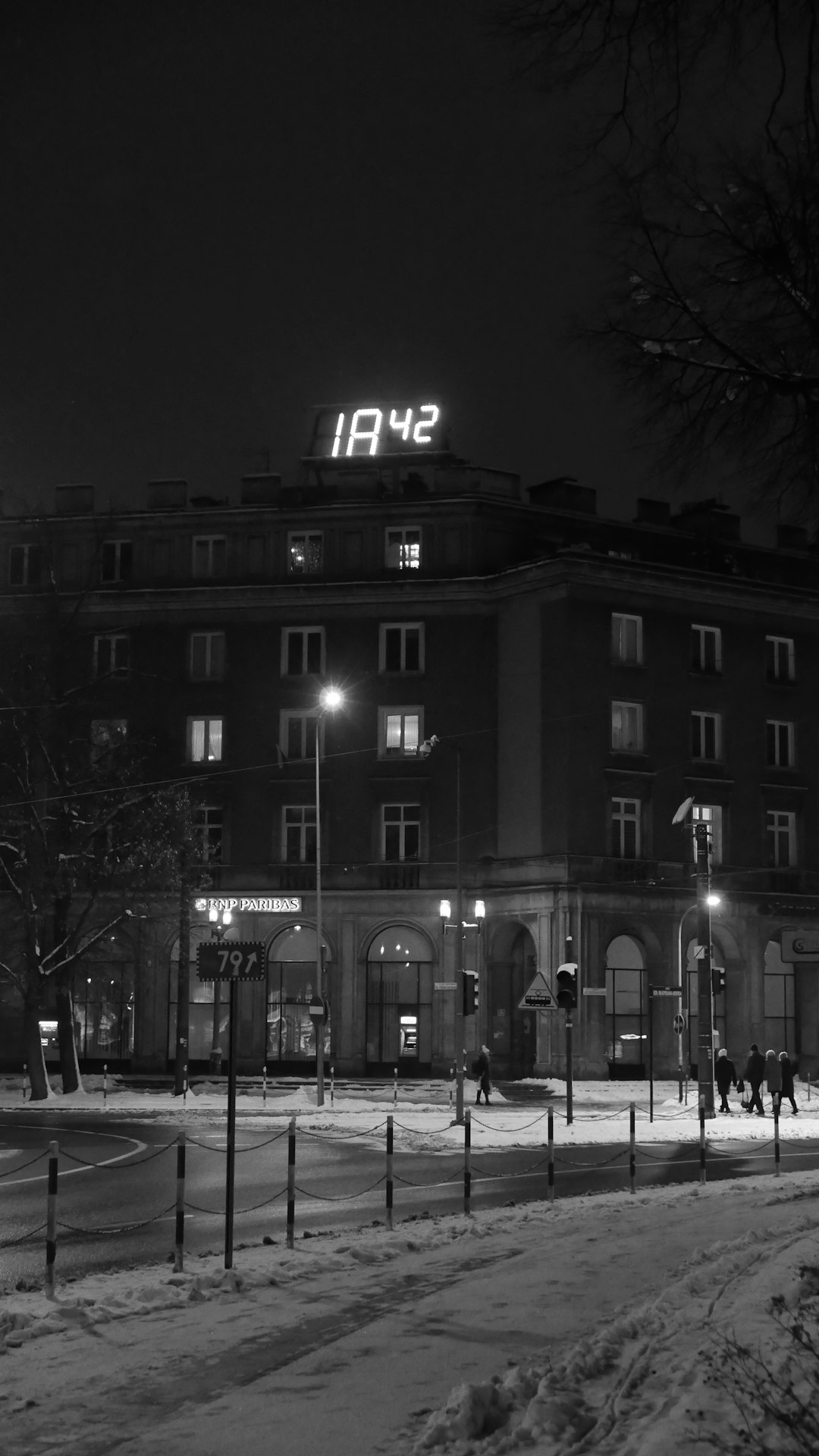
Will We Still Change Clocks? EU Sets Dates to 2031
The EU published a schedule for the time change through 2031; the next clock shift is 25 Oct 2026. Know what this means for expats in Poland.
Millions of Poles hoped the time change would end, but for now it will continue. Consequently, the next scheduled clock shift will occur on 25 October 2026.
Time change schedule to 2031
Moreover, the European Commission published an official timetable in March 2026. Therefore, if laws remain unchanged, the dates follow. In 2027 the shifts fall on 28 March and 31 October. In 2028 they fall on 26 March and 29 October. In 2029 they fall on 25 March and 28 October. In 2030 they fall on 31 March and 27 October. In 2031 they fall on 30 March and 26 October. However, the calendar applies only while current rules stay in force. Consequently, a later EU decision could remove these dates.
Why the EU is still deciding
In fact, the Commission first proposed ending seasonal clock changes in 2018. However, member states could not agree on a single outcome. Moreover, capitals worried about a patchwork of permanent time zones. Therefore the Council did not adopt final rules. Now Brussels launched a fresh study in 2026. In addition, experts will test ten scenarios. They will assess transport, the single market, energy use, public health, and cross-border links. Consequently, the Commission plans to publish results by the end of 2026. Meanwhile, Poland proposed a two-year EU-wide experiment. Moreover, Warsaw suggested testing permanent summer time across the bloc during its 2025 Council presidency. However, countries must still agree before any test begins.
EU review, Polish proposal and local rules
For now Poland follows domestic regulations that cover 2022–2026. Consequently, the 25 October 2026 switch from summer time to standard time remains in force. At 03:00 we will set clocks back to 02:00. Therefore that night gives an extra hour of sleep. However, this change will not necessarily be the last. Moreover, the Commission had to publish dates to 2031 because current law demands it. Nevertheless, a later political decision could end seasonal shifts earlier.
Why this matters to expats
In short, the debate affects daily life and cross-border routines. For example, transport timetables between Poland and neighbouring states may change. Moreover, international flights and train schedules will adjust on shift dates. Therefore businesses that trade across the EU may face accounting or market-timing effects. In addition, health experts study links between clock changes and sleep or heart issues. Consequently, some countries favour permanent summer time to keep evenings light. However, others prefer permanent standard time for darker mornings.
Source: Read original article
📚 Looking for more help settling in Poland? Browse our complete Expat Guides.