WW2 Unexploded Bomb Found in Tarnogóra
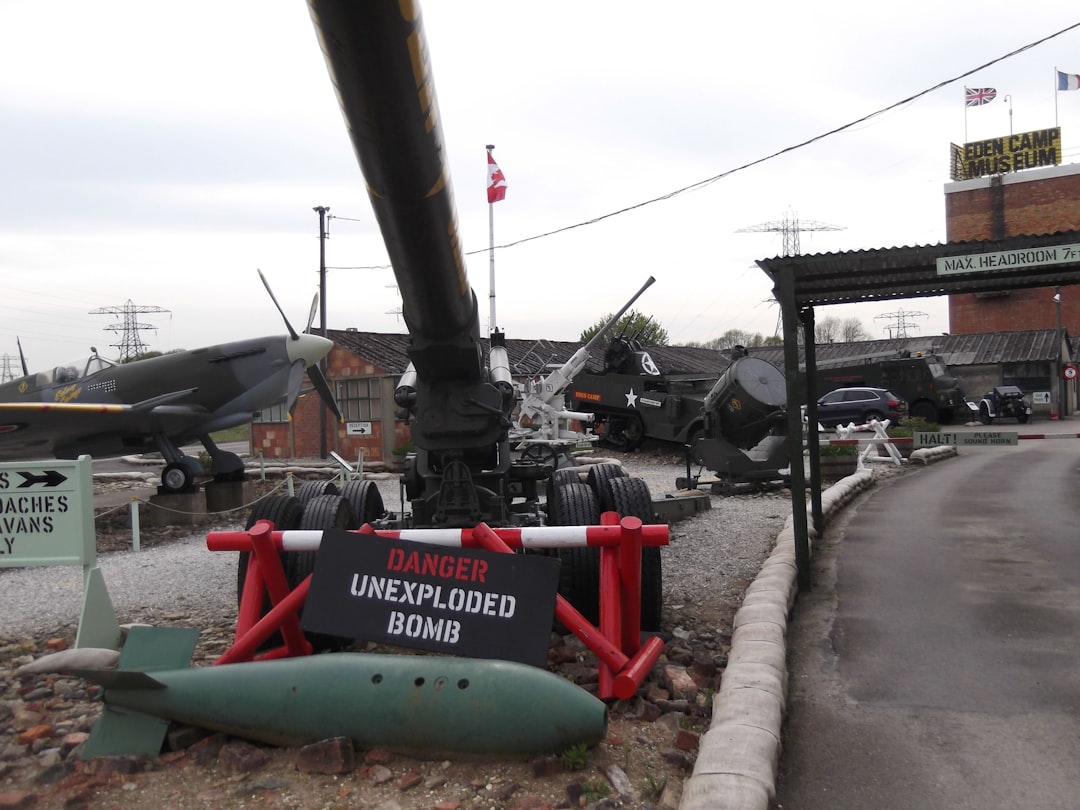
Workers uncovered an unexploded bomb in Tarnogóra during earthworks; authorities secured the site and called bomb disposal teams.
Workers discovered an unexploded bomb in Tarnogóra while carrying out routine earthworks. Consequently, police sealed the scene and called specialists to handle the device.
What happened
Local workers hit a metal object while digging. However, they did not touch the device. Instead, they reported the find to the Police. Therefore, officers attended and verified the report quickly. In addition, the Police brought an officer trained in ordnance and mine techniques. The team established that the object was an aerial bomb from World War II. Moreover, experts estimated its weight at about 100 kilograms. Fortunately, they reported that the bomb lacked fuzes or detonators. Still, the Police kept the area secure until sappers could take over.
Unexploded bomb in Tarnogóra: response and risks
Authorities dispatched a sapper patrol to neutralize and remove the ordnance. Consequently, the specialists will either render the bomb safe on site or transport it to a disposal range. However, experts always treat even inert-looking items as dangerous. In addition, unexploded ordnance from WWII may contain degraded explosives. Therefore, old bombs can become unstable over time. The Police reminded the public about basic safety rules. For example, do not touch, move, or try to open such objects. Instead, call the emergency number 112 or contact the local Police. Also, cordon off the area and keep bystanders away until professionals arrive.
Why this matters to residents and newcomers
Poland saw intense military activity in World War II. Consequently, many regions still yield wartime remnants during construction. Moreover, municipalities often require pre-construction checks in some zones. Therefore, contractors and homeowners should stay vigilant. In addition, such finds can delay building schedules and increase costs. Expats should also note how Polish services operate. For instance, the Police in Poland go by the name Policja. Furthermore, emergency health care works through NFZ (National Health Fund) for residents, but visitors should keep travel insurance. Also, everyday administrative terms like PESEL refer to a national ID number for residents. Finally, a fine in Poland may show up as a mandat from Police or municipal officers.
Source: Read original article
📚 Looking for more help settling in Poland? Browse our complete Expat Guides.