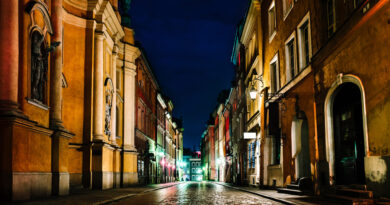
Sosnowiec landmark demolished: dramatic photos
Photos recall the controlled demolition of the Sosnowiec Szkieletor nearly a decade ago, showing the end of a long urban saga.
The Sosnowiec Szkieletor came down in a series of controlled blasts nearly ten years ago. Witnesses remember dust, noise and a long-awaited removal of a local eyesore.
Sosnowiec Szkieletor: the blast and the images
Photographs capture the moment concrete and steel collapsed into a cloud of dust. Consequently, the images became a symbol of change for the city. Moreover, authorities executed the demolition in phases to protect nearby buildings. However, the dramatic frames tell only part of the story behind the decision.
Why the structure stood unfinished for decades
The skeleton tower began as a medical diagnostic centre. Yet developers faced financial trouble and planning delays. Therefore, the building stood as a rusting frame for years. In addition, locals nicknamed it the “Szkieletor” because it resembled a human skeleton. The empty shell then attracted graffiti, urban explorers and occasional safety concerns.
Local impact and regional context
Sosnowiec sits in the Silesian region, historically industrial and densely populated. Consequently, redevelopment matters for housing and jobs. The demolished site opened new planning options. Moreover, the removal eased safety worries near schools and tram lines. The blast also sent a message that the city could tackle long-running dereliction.
For expats, this story matters beyond nostalgia. First, the demolition shows how Polish cities can reclaim brownfield land. Second, it highlights local planning powers and the role of regional government. Third, investors often watch such moves for redevelopment cues. Therefore, people looking to rent or buy should watch zoning updates closely.
The images published online give a vivid record of the operation. Moreover, they remind viewers how a failed project can shape a neighbourhood for decades. However, demolition is only the start. City planners then decide what replaces the site. Consequently, community groups often lobby for parks, housing or commercial space.
Finally, the Sosnowiec story echoes in other Polish towns. In the post-industrial south, municipalities balance heritage and renewal. In addition, public safety and urban aesthetics guide decisions. Therefore, the collapse of one ruin can mark the start of a broader urban revival.
Source: Read original article
📚 Looking for more help settling in Poland? Browse our complete Expat Guides.