River Meets Canal: The Gliwice Canal Crossing
A rare hydraulic crossing on the Gliwice Canal shows engineering heritage and local transport value. Learn why expats should care.
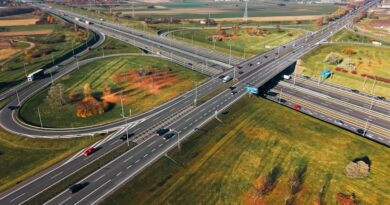
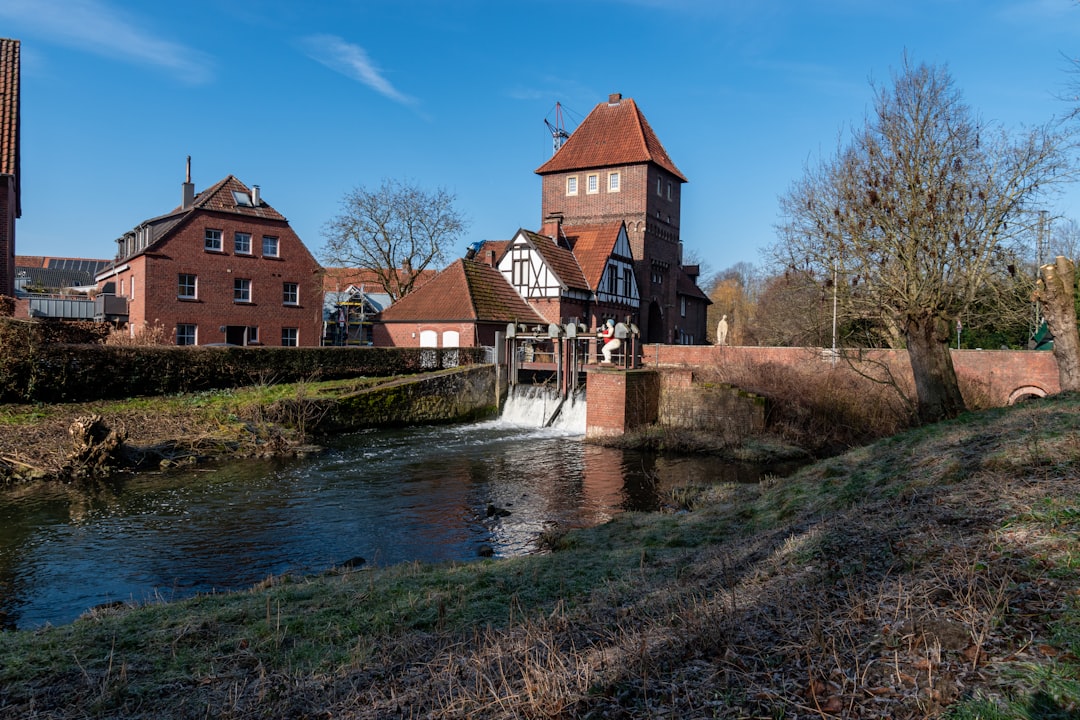
The Gliwice Canal hosts a rare point where a river crosses a man-made waterway. This unusual construction has stood for over eighty years and still draws local interest.
What you see and why it matters
The crossing pairs natural flow with engineered control. Consequently, engineers shaped locks, gates and embankments to balance flows. Moreover, builders completed the work during a tense industrial era. In addition, locals called it one of the technical wonders of its time. The structure begins at the port level in Koźle. Therefore, the canal links industry and river traffic across a wide region.
Gliwice Canal crossing and its history
The Gliwice Canal opened more than eighty years ago. It served heavy industry and moved coal and steel. Consequently, the waterway helped local towns grow and attract jobs. However, time changed freight patterns and factories declined. In addition, the canal now balances heritage with modern needs. The local authority still maintains locks and channels to protect navigation and safety.
Technical features and local impact
The crossing uses bridges and sluices to control water levels. Therefore, it must handle seasonal floods and heavy rain. Moreover, the design reduces erosion and protects nearby land. Furthermore, boat traffic still uses the locks for recreation and small freight. In addition, tourists visit for engineering tours and riverside walks. Consequently, the site supports local cafes and small hotels.
Why expats should pay attention
First, the canal affects local transport and logistics. Therefore, businesses that rely on road and river links find it important. Second, the crossing shapes flood risk and property values. In addition, planners use the canal in emergency plans. Third, the site offers cultural heritage and weekend trips for families. Furthermore, local festivals sometimes center on the river and canal.
Local authorities plan maintenance and occasional upgrades. Consequently, they schedule closures for short stretches. Therefore, boaters and cyclists should check notices before travel. Moreover, planners now consider climate change effects on river flows. In addition, engineers test new gates and monitoring tools. The site therefore becomes a living lab for water management.
For the expat community, the crossing offers a clear lens into Polish industrial history. Moreover, it shows how municipalities manage shared resources. Therefore, attending a local meeting about the canal can help you meet neighbours. In addition, local volunteer groups sometimes help clean the banks and run tours. Consequently, joining such groups helps with networking and language practice.
Overall, the crossing of a river with the Gliwice Canal combines heritage, practical transport and environmental management. Therefore, it remains a landmark worth visiting and understanding.
Source: Read original article
📚 Looking for more help settling in Poland? Browse our complete Expat Guides.