
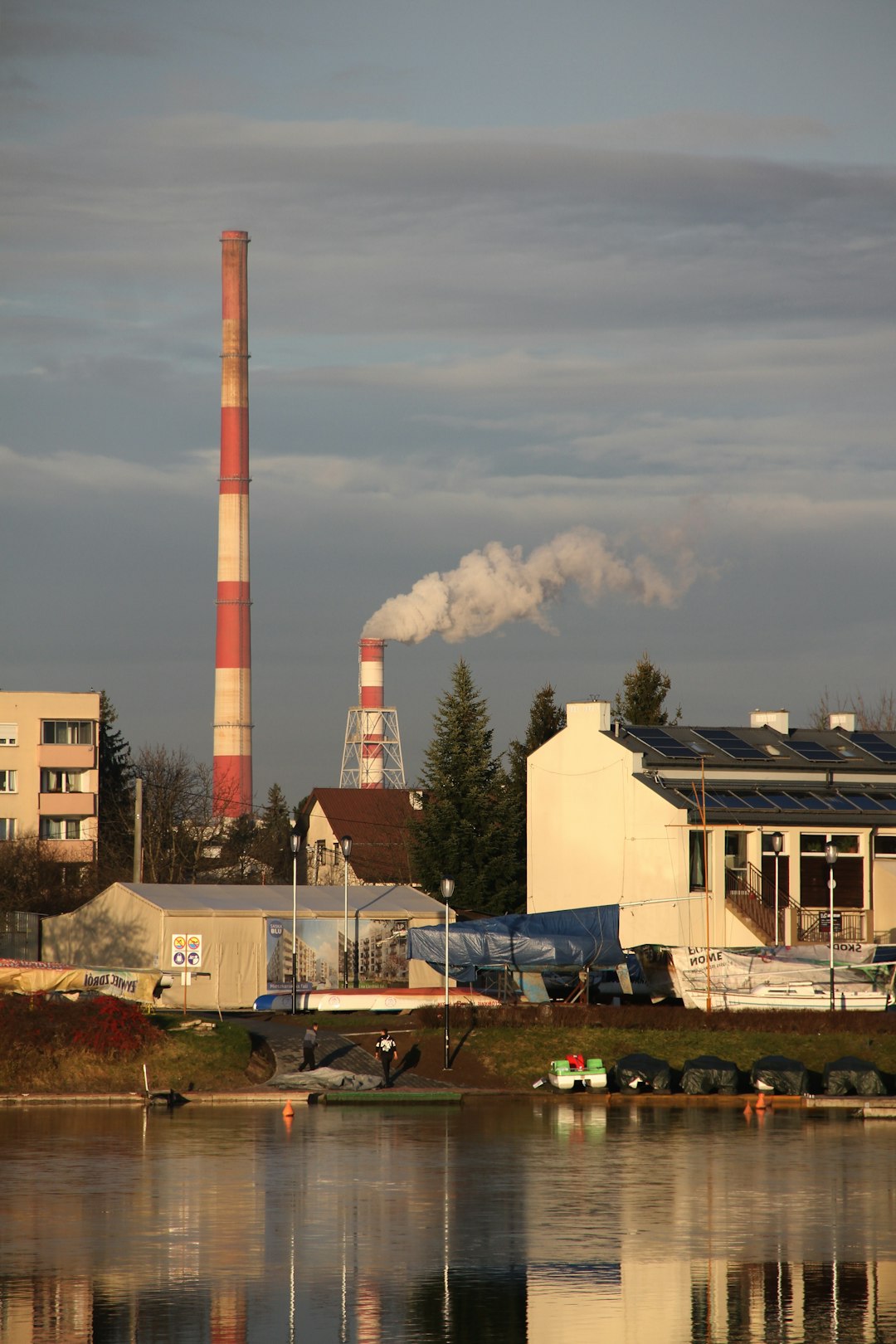
PGE heat utility reviews harsh 2025/26 winter
PGE Energia Ciepła heating season closed after a colder winter. The utility reported 10% more heat delivered and increased investment in low-carbon plants.
PGE Energia Ciepła heating season closed after an unusually cold winter. The operator delivered about ten percent more heat than last year.
PGE Energia Ciepła heating season: cold metrics and impact
The company operates heat systems in 15 towns. Consequently, many cities felt the strain during deep frosts. Moreover, January averaged about -4.1°C. Therefore, local systems saw their highest load that month. In addition, technicians recorded 60 days below 0°C during the core winter. However, some local thermometers fell below -20°C.
Higher demand, operational strain and year-round work
The cold pushed demand significantly higher. Consequently, heat deliveries rose roughly ten percent year‑on‑year. The utility kept plants running non‑stop. Moreover, staff worked to maintain stable flows and avoid service interruptions. The operator said reliability remained its top priority. Therefore, crews focused on machine availability and network resilience. In addition, the firm continued investments while running old and new units.
Decarbonisation projects and new plants
The season also accelerated the shift from coal. For example, a new gas-steam combined heat and power plant began service in Siechnice. Furthermore, it provides 315 MWt and 179 MWe of capacity. In addition, new gas CHP units started in Bydgoszcz. Therefore, the Lublin site also added a 182 MWt gas boiler. Moreover, these projects replaced coal and biomass sources. Consequently, the installations lower local emissions and improve efficiency.
The operator said it will keep upgrading assets. Moreover, next season will see new cogeneration and biomass lines. Therefore, towns such as Gdynia, Gryfin and Rzeszów will get extra capacity. In addition, operators will test efficiency gains and emission cuts. The utility expects modern plants to reduce fuel use and lower costs long term.
For expats, the event shows how vulnerable urban heating can become in extreme cold. Consequently, expect occasional maintenance works in summer. Moreover, check your building manager for information about heat schedules. In addition, document any indoor temperature problems promptly. Therefore, you can ask for faster repairs or temporary measures.
The tough season proved the need for resilient infrastructure. Moreover, it highlighted the value of ongoing modernization. Therefore, cities with upgraded plants fared better in supply continuity. In addition, future winters may remain volatile. Consequently, expect heat providers to balance reliability with decarbonisation.
Source: Read original article
📚 Looking for more help settling in Poland? Browse our complete Expat Guides.