
Osteopathy after Physiotherapy: Training & Career
Discover how osteopathy after physiotherapy training in Poland works and why it matters for your private practice and career.
osteopathy after physiotherapy offers experienced physiotherapists a structured route to widen their clinical toolkit. Moreover, the postgraduate path in Poland blends deep manual practice with solid medical diagnostics.
osteopathy after physiotherapy: how training works in Poland
Many physiotherapists choose osteopathy because it adds a whole-body perspective to focused rehab. Consequently, therapists learn to see links between distant parts of the body. In addition, the approach fits clinicians who already know anatomy and biomechanics. However, they seek more diagnostic breadth and therapeutic nuance.
In Poland osteopathy follows a postgraduate format rather than a separate bachelor’s course. Therefore, the program runs about four years part-time. For example, a typical curriculum meets the CEN 16686 standard. It requires roughly 2000 hours of education. Moreover, institutions often list 858 practical hours, 500 clinical placement hours, and 400 hours of student self-study. Consequently, graduates obtain a Diploma in Osteopathy (D.O.) and a postgraduate certificate. Applicants usually need at least three years of physiotherapy study or a medical degree.
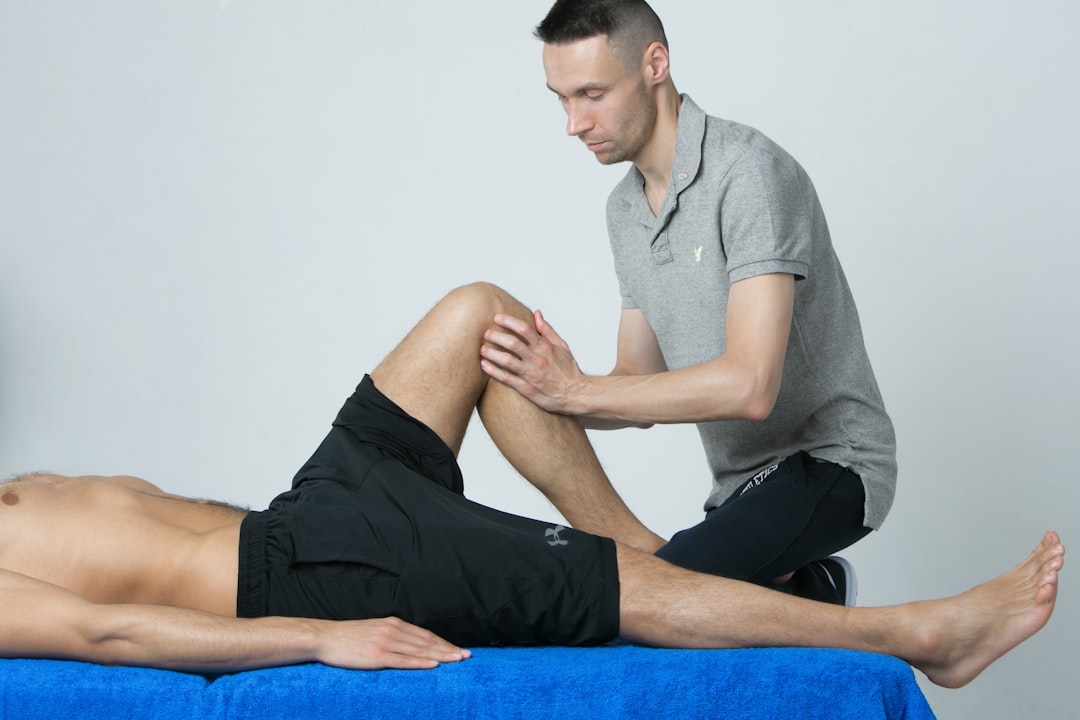
The course balances two pillars. First, it strengthens medical knowledge. For instance, students study differential diagnosis, semiology, and pathology. This training helps them decide when to refer a patient on to a doctor. Second, it focuses on hands-on skills. Students practice structural, functional, and classical osteopathic techniques directly on patients. In addition, many programs invite international practitioners to teach and to present case studies. Therefore, students gain varied clinical perspectives.
Completing the program changes career options. Many clinicians keep working as physiotherapists. However, they add osteopathic sessions to their treatments. Consequently, they attract patients who did not respond to standard rehab. Moreover, osteopathy can help build a distinct private practice brand. Yet, note that most osteopathic care in Poland occurs privately. The National Health Fund (NFZ) rarely covers these visits. Also, self-employed therapists must register and pay social insurance to ZUS (Zakład Ubezpieczeń Społecznych). In addition, you will use a PESEL (national ID number) for many administrative tasks.
If you feel unsure start small. First, visit an open day at an academy. Next, talk to alumni who balance work and study. Moreover, check the academic calendar to confirm you can handle the weekend blocks. Finally, plan this as a years-long investment rather than a short course.
Source: Read original article
📚 Looking for more help settling in Poland? Browse our complete Expat Guides.