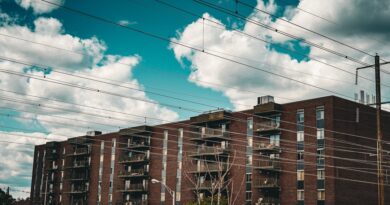
Old panel blocks, old wiring: Who will pay?
A growing electrical safety problem in prefab panel blocks forces owners to act. panel block electrical wiring needs replacing for thousands.
The spotlight has turned to aging apartment estates as experts warn about failing panel block electrical wiring in flats from the 1970s and 1980s. Consequently, residents face costly rewires that often exceed 10,000 PLN per flat.
What changed and why it matters
Poland built millions of prefabricated panel flats after World War II. Moreover, builders used aluminium cables because they were cheap and light. However, aluminium ages faster than copper. Therefore, connections loosen and oxidise. Consequently, wires can overheat or short. In addition, original supply limits of 3–4 kW no longer match modern expectations. Furthermore, induction hobs and multiple appliances can trip fuses immediately.
panel block electrical wiring: what is failing
Experts at the Building Research Institute reviewed many buildings in February 2026. Moreover, the institute did not find a wave of structural collapse. However, inspectors flagged ageing installations as the real risk. In many flats electricians installed two-wire systems without a separate protective earth conductor. Therefore, safe modernisation often needs changes outside the flat too. Consequently, tenants and owners must coordinate with building managers.
Costs, logistics and technical hurdles
Full rewires in a 50 m2 flat typically involve about 45 points. Moreover, contractors quote 7,500–9,000 PLN for parts and conduit work. In addition, labour and a new distribution board push the bill to 10,000–13,000 PLN net. However, some full modernisations reach 19,000 PLN. Therefore, if residents want higher supply capacity or three-phase power, they must apply to the local energy utility. Furthermore, rewiring panel blocks costs 20–30% more than in brick buildings. That difference stems from thin partition walls and the need for shallow backboxes or surface trunking. In addition, workers must know factory-made channel layouts in the panels. Otherwise, crews can damage structural elements.
Building owners and housing cooperatives carry responsibility for common installations. Moreover, the Energy Regulatory Office clarifies that utilities do not own internal building wiring. Therefore, owners or managers must fund mains risers and shared lines. However, the law on ownership of flats states that wiring inside private apartments remains the homeowner’s duty. Consequently, most owners pay from their renovation fund or personal savings. In practice, a wave of simultaneous failures could force many to act at once. Therefore, commentators ask whether 10 million Poles might need to budget about 10,000 PLN each.
Do not wait for an accident. Moreover, signs to watch include aluminium conductors, permanent fuse trips, and more than 35–40 years since installation. Therefore, schedule an inspection during planned renovations. In addition, plan budget and timelines now to avoid emergency repairs later.
Source: Read original article
📚 Looking for more help settling in Poland? Browse our complete Expat Guides.