
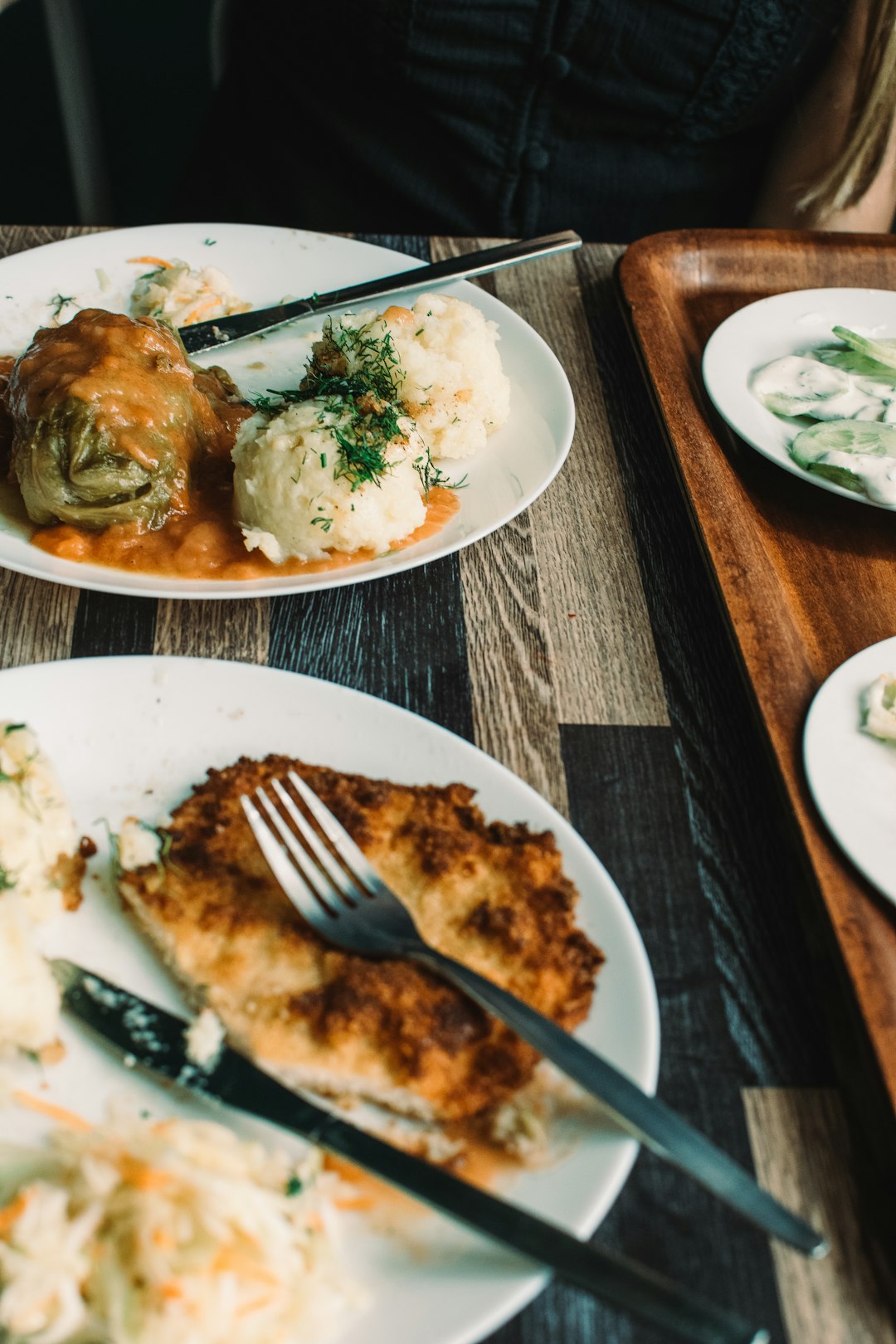
Not Just Pyzy and Flaki: Warsaw Traditional Dishes Return
Traditional recipes like pyzy, flaki and czernina are returning to Warsaw menus. Warsaw traditional dishes reconnect residents and visitors to the city’s culinary past.
Warsaw traditional dishes are returning to menus and home kitchens across the city. Consequently, older recipes like pyzy and flaki gain new fans among locals and tourists.
Why Warsaw traditional dishes matter today
The capital sits at a historic crossroads. Moreover, people from many Polish regions settled here. Therefore, the city’s food absorbed diverse tastes. Pyzy with meat became a symbol of Warsaw. In addition, vendors at markets and milk bars sold these dumplings for decades. However, the communist era pushed many recipes into everyday staples. As a result, younger generations sometimes forgot these dishes. Now chefs revive them, and locals welcome the return.
Classic plates you can still taste
Pyzy remain a cornerstone of traditional Warsaw kitchens. Moreover, the famous pyza from Bazar Różycki once drew long lines. Flaki, or tripe soup, carries a distinct spice mix. Consequently, Warsaw versions use marjoram, ginger and nutmeg. Moreover, people serve flaki at family events. Liver fried with onions used to appear on many pre-war menus. In addition, simple potato dishes like szare kluski and prażuchy filled plates across Mazovia. Czernina, a sweet-and-sour blood soup, often surprised visitors. However, it kept fans among older generations. Bakeries still bake rogaliki and pączki as they always have. Therefore, Warsaw’s pastry tradition remains strong despite change.
Where the food is coming back
Restaurants and home cooks lead the comeback. Moreover, small bistros focus on local heritage. In addition, food markets feature stalls with historical recipes. Tourists find these spots appealing, and locals feel nostalgic. Consequently, the culinary revival connects generations. Chefs adapt recipes to modern tastes, and they use better supply chains. Therefore, the dishes feel both authentic and fresh.
The city’s food tells history through taste. Moreover, it helps visitors understand urban migration in Poland. Consequently, tasting pyzy or czernina becomes a cultural lesson. In addition, expats can join cooking workshops to learn recipes. Therefore, you can bring these dishes into your home kitchen. Finally, the revival shows how food builds community in Warsaw.
Source: Read original article
📚 Looking for more help settling in Poland? Browse our complete Expat Guides.