
Mandatory Home Inspections in Poland: What to Keep
Learn when mandatory installation inspections must happen in Poland and which documents expats must keep.
Polish homeowners must follow a calendar of mandatory checks for gas, chimneys, electrical systems and more. In particular, mandatory installation inspections set deadlines and document rules that every owner must respect.
Mandatory installation inspections: what to keep
The law requires several different checks, not a single inspection. For example, gas systems and chimney flues need an annual check. Moreover, electrical systems and lightning protection need checks at least every five years. In addition, heating systems and larger air conditioning systems follow separate schedules. Therefore, owners must track several deadlines.
Who arranges inspections and who must provide access
In apartment blocks, a manager, housing cooperative or homeowners association organises the checks. However, residents must allow access when the work includes equipment inside their flat. For a detached house the owner orders the checks directly. Also, the owner chooses qualified specialists and keeps the papers.
What each inspection covers and who is qualified
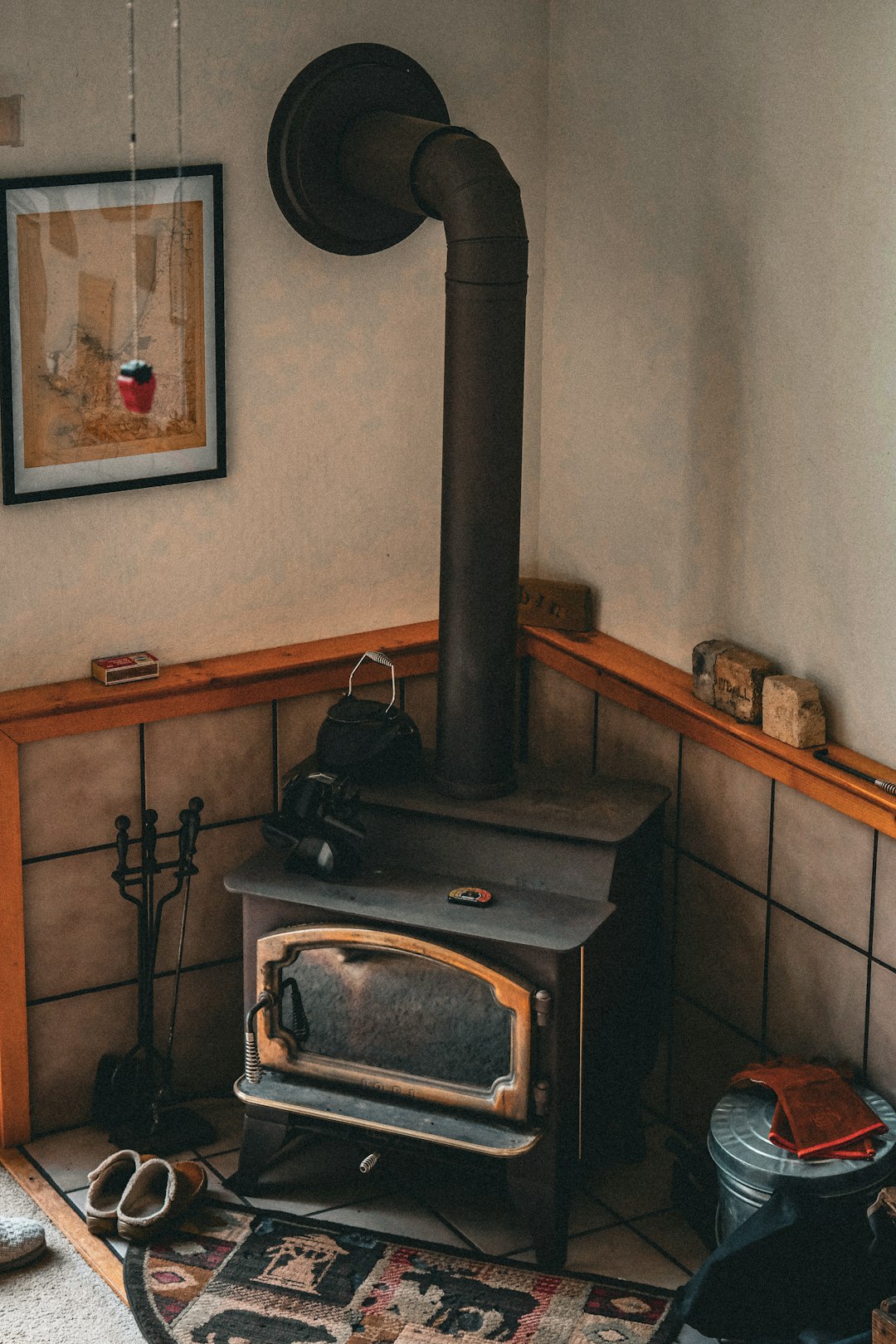
Annual checks cover gas installations and smoke, exhaust and ventilation flues. A certified gas inspector examines tightness and shut-offs. Meanwhile, a chimney sweep inspects flues. However, chimney cleaning remains a separate task. For solid fuel stoves cleaning must occur four times a year. For liquid or gas fuel cleaning happens twice a year. In addition, ventilation ducts need cleaning at least once a year.
Electrical inspections require measurements, not a simple visual check. Consequently, a qualified electrical inspector must measure insulation resistance and earthing. The inspector must record measurement results in the protocol. Also, if the building has a lightning protection system, inspectors test it with the electrical checks.
Reports, records and why invoices are not enough
After each inspection the inspector writes a protocol. The document must show date, inspector details and licence number. In addition, it must list actions taken and any defects. The protocol must include measurement results for electrical work. Likewise, gas checks must include tightness test results. Therefore, keep protocols, not only receipts.
Chimney protocols now appear in electronic registers. For example, a chimney sweep uploads the report to the Central Emissions Register. Consequently, owners can download a PDF using the protocol identifier and the email used during the check. Also, save that email and the downloaded PDF in your archive.
Consequences and practical tips
Local building inspectors can fine owners for missed checks. Moreover, authorities can demand immediate repairs if a defect threatens safety. Therefore, keep older protocols. For example, a five-year inspector must check earlier recommendations. Also, when selling a property give the buyer the full documentation. In addition, scan documents and use clear file names such as “gas-2024-protocol.pdf”.
Finally, check dates now. If you live in Warsaw the manager posts reminders in stairwells and lifts. However, if a date does not suit you, contact the administrator for an alternative slot. In short, act early and keep records to prove compliance.
Source: Read original article
📚 Looking for more help settling in Poland? Browse our complete Expat Guides.