Lublin’s Rise as a Wind Energy Hub
Lublin wind energy could turn a farming region into a clean power leader, offering stable municipal income and local resilience.
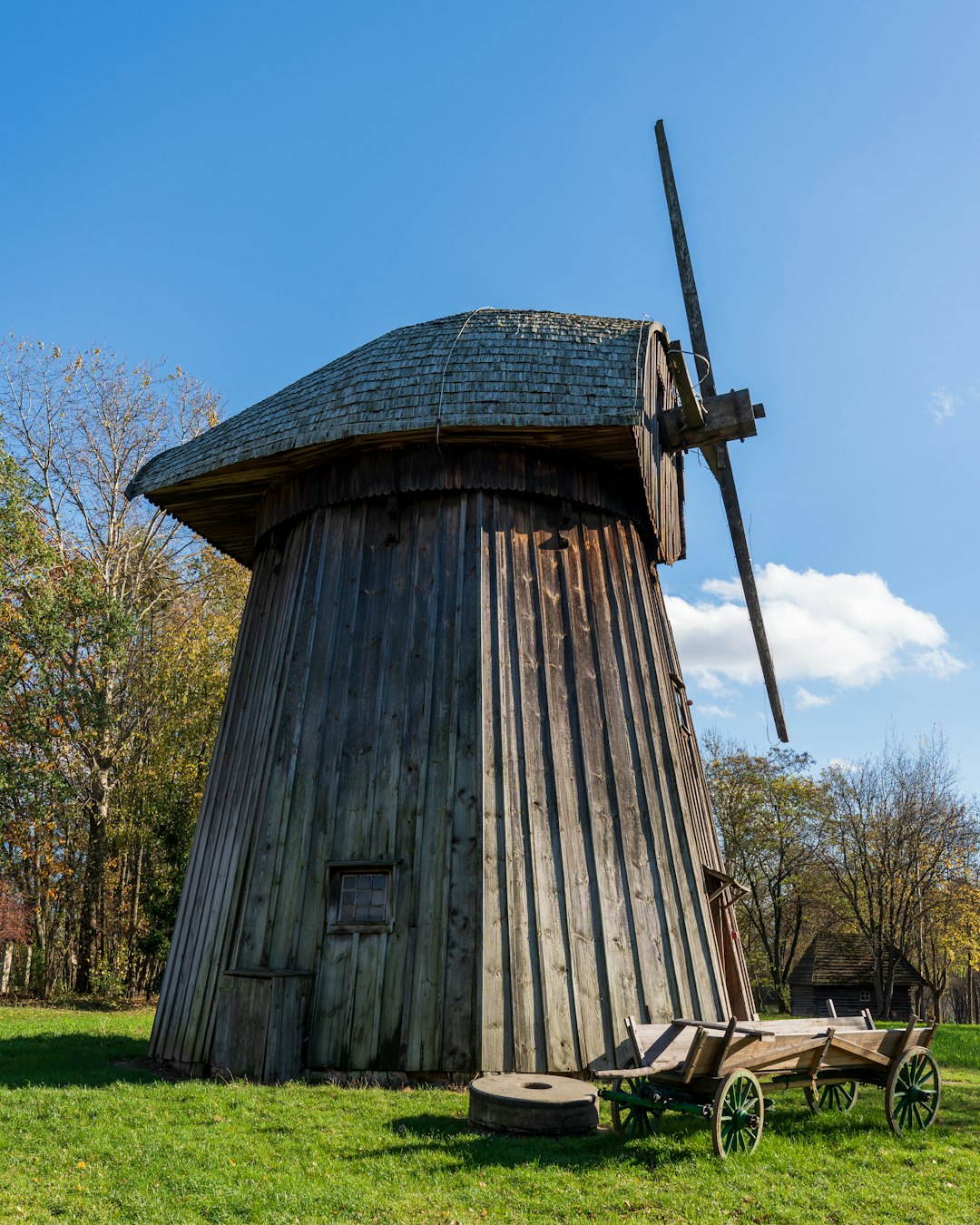
Lublin wind energy may transform Poland’s agricultural east into a major clean-power region. Moreover, the region has wind, open land, and growing local will to host projects.
Lublin wind energy: Why the region fits
Lublin Voivodeship combines fertile fields with solid wind resources. In addition, many municipalities have large undeveloped plots. Consequently, developers can site turbines without displacing farms. Also, farms gain stable rental income from leases. Therefore, wind does not replace food production. Farmers keep most of their land for crops and livestock. Moreover, turbines occupy a small footprint. Local budgets gain steady tax receipts. In turn, councils improve roads, schools, and services.
What municipalities and residents actually get
Local leaders ask one simple question: what do we gain? The answer is concrete. Developers pay long-term property taxes and local fees. Consequently, gminas receive predictable revenue. Moreover, companies often fund community projects. They support sports clubs and cultural events. Therefore, a wind project can boost daily life for residents. Also, the operator commits to local dialogue. They engage councils and neighbours early. As a result, projects win broader acceptance.
Addressing concerns: noise, landscape, and property values
Opponents often cite noise and visual impact. However, modern turbines meet strict environmental rules. Studies from Poland examined almost 46,000 property sales. They show no systematic drop in prices near wind farms. In fact, infrastructure upgrades can raise attractiveness. Moreover, people grow accustomed to turbines, just like to grain silos or power lines. Therefore, fears rarely match long-term data.
Projects and planning: how new farms appear
OX2 and other firms say the region has viable sites. However, they stress process matters more than location. Developers must run environmental studies and talk with communities. In addition, planners consider bird migration routes and local roads. Consequently, only well-prepared projects proceed. Moreover, local approval remains decisive. Projects fail without community support.
Looking ahead, projection models foresee more wind and battery storage in Lublin. Consequently, the region can offer cleaner local power by 2035. Moreover, energy storage will smooth supply and cut peak prices. Therefore, residents may see more stable electricity bills. In addition, the region will strengthen Poland’s energy independence. Local jobs and municipal funds will follow.
Source: Read original article
📚 Looking for more help settling in Poland? Browse our complete Expat Guides.