Lightning Hits Hikers on Giewont Peak
A Giewont lightning strike injured hikers; TOPR battled storms and grounded helicopters to reach victims.
A Giewont lightning strike hit a group of hikers on Saturday, triggering a tense mountain rescue. Moreover, TOPR responded amid violent storms and strong winds.
What happened on the mountain
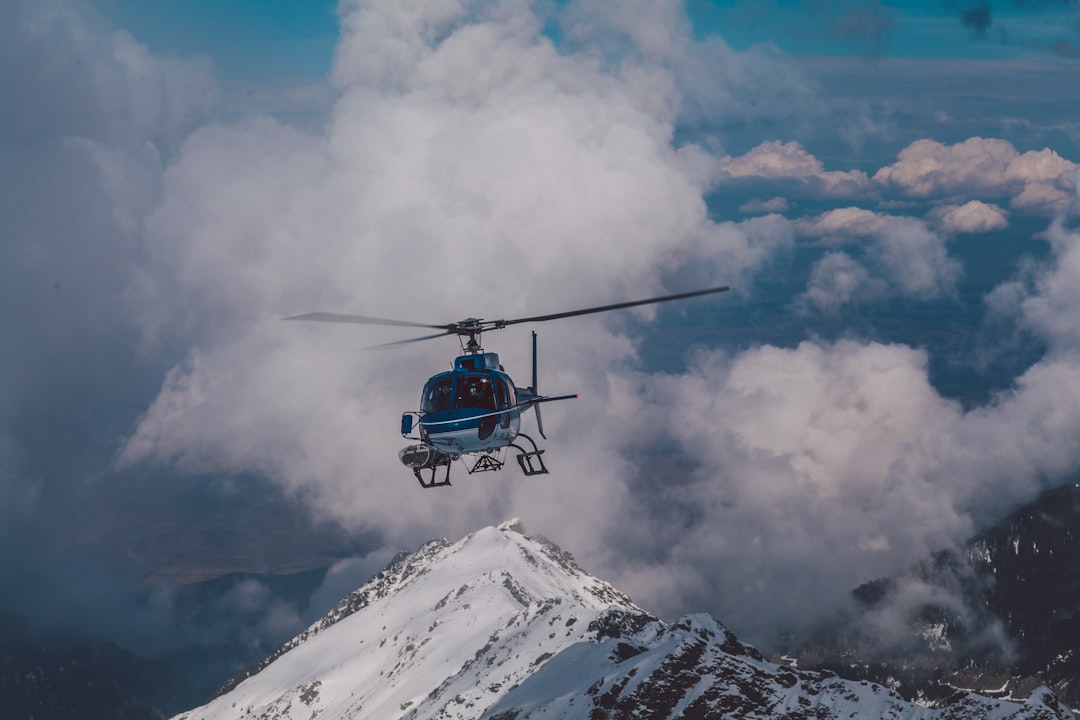
Rescuers from Tatrzańskie Ochotnicze Pogotowie Ratunkowe (TOPR) received a report about five hikers on Giewont. Consequently, they treated two people who suffered lightning injuries. However, weather complicated the work. Strong wind and heavy rain swept the high slopes. Therefore the TOPR helicopter could not land safely at the scene.
In addition, the crew tried to get as close as possible by air. Meanwhile, they lowered rescuers below the summit. Then a team hiked up to reach the injured. The team provided first aid and stabilized both patients. As a result, they prepared the injured for descent.
Giewont lightning strike: immediate rescue
The rescue required coordination across difficult terrain. Moreover, rescuers moved cautiously because lightning hazards persisted. In addition, the metal summit cross attracts strikes during storms. Consequently, Giewont has a long record of dangerous lightning incidents. Therefore mountain teams warn people to avoid high ridges in storm cells.
Rescuers then guided the rest of the group down the trail. However, heavy rain made the route slippery. As a result, the overall operation took longer than usual. Meanwhile, other patrols monitored the skies for more threats. In addition, local services urged hikers to postpone summit attempts until clear weather returned.
Why this matters for visitors and expats
This incident highlights key safety points for foreigners in Poland. First, always check mountain forecasts and local warnings. In addition, follow guidance from park services and TOPR. Second, know emergency numbers. Dial 112 across the EU, and call TOPR directly at its rescue line when needed. Moreover, carry travel insurance and local documents.
For healthcare access, understand that emergency care uses the National Health Fund. (NFZ = Poland’s state health insurer.) Therefore visitors without Polish coverage should have private insurance. In addition, a PESEL number (national ID number) helps register for some services. (PESEL = Polish personal identification number.) Furthermore, authorities may issue fines (mandat) if you ignore closures or put rescuers at risk.
Rescue teams continue to caution hikers about sudden storms at high altitude. Consequently, authorities recommend postponing climbs during unstable weather. In addition, guides and local operators will often cancel summit trips when conditions turn dangerous. Therefore follow their advice to reduce risk.
Source: Read original article
📚 Looking for more help settling in Poland? Browse our complete Expat Guides.