Jumping into Unknown Water Can Change Your Life
Police warn as summer crowds flock to lakes; advice on water safety in Poland and simple steps expats should follow.
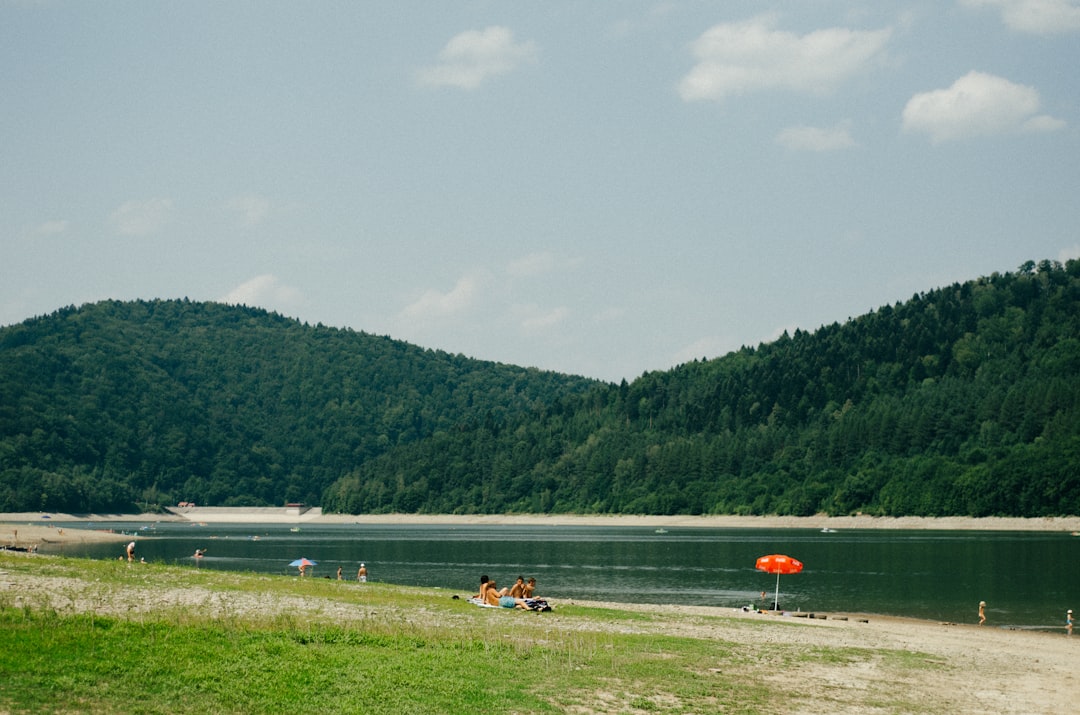
As the first hot weekend of the holidays hits Subcarpathia, police issue a clear warning about water safety in Poland. Crowds will flock to reservoirs, lakes, and pools, and authorities remind people to act carefully.
Choose supervised spots and follow rules
Police advise swimmers to pick guarded bathing areas. Moreover, lifeguards monitor safety at official beaches. In addition, follow posted rules and obey staff directions. However, wild bathing spots carry greater risks. If you see a sign banning swimming, do not test why it stands there. Also, avoid water near locks, bridges, and drinking water intakes.
Chwila nieuwagi może zmienić całe życie
Heat drives people to jump in water without thinking. Consequently, a single reckless dive can break your spine or end your life. Therefore enter water gradually to let your body adapt to the cold. Moreover, check depth before jumping. Also, never swim after drinking alcohol. Police and rescuers often find alcohol involved in the worst incidents. Finally, stay within your skills and swim with others nearby.
Water Safety in Poland: children and crowds
If you bring children, set a clear meeting point in advance. In addition, use a wristband with a contact number. Moreover, teach a child to return to that landmark when lost. Also, watch other visitors. If someone looks in trouble, tell a lifeguard immediately. Otherwise call emergency number 112 at once. Police, fire crews, and volunteer rescue services respond on water calls.
What authorities do and what to expect
Local police and rescue groups patrol busy sites. Moreover, municipal rules vary by town and reservoir. Therefore expect different regulations across municipalities. Police can issue a mandat (fine) for ignoring bans. In addition, volunteers from WOPR (Water Volunteer Rescue Service) often support lifeguards. Also, hospitals treat victims and the NFZ (National Health Fund) covers emergency care for insured people. Note that expats usually register for healthcare under NFZ. Meanwhile ZUS (Social Insurance Institution) handles work benefits in Poland. Finally, carry ID and know your PESEL (national ID number) if you have one.
Practical tips for expats: choose marked beaches with guards. Also, bring a charged phone and a basic first-aid kit. Moreover, learn local rules and signage. Therefore talk to staff on arrival. In addition, keep an eye on weather and water conditions.
Source: Read original article
📚 Looking for more help settling in Poland? Browse our complete Expat Guides.