
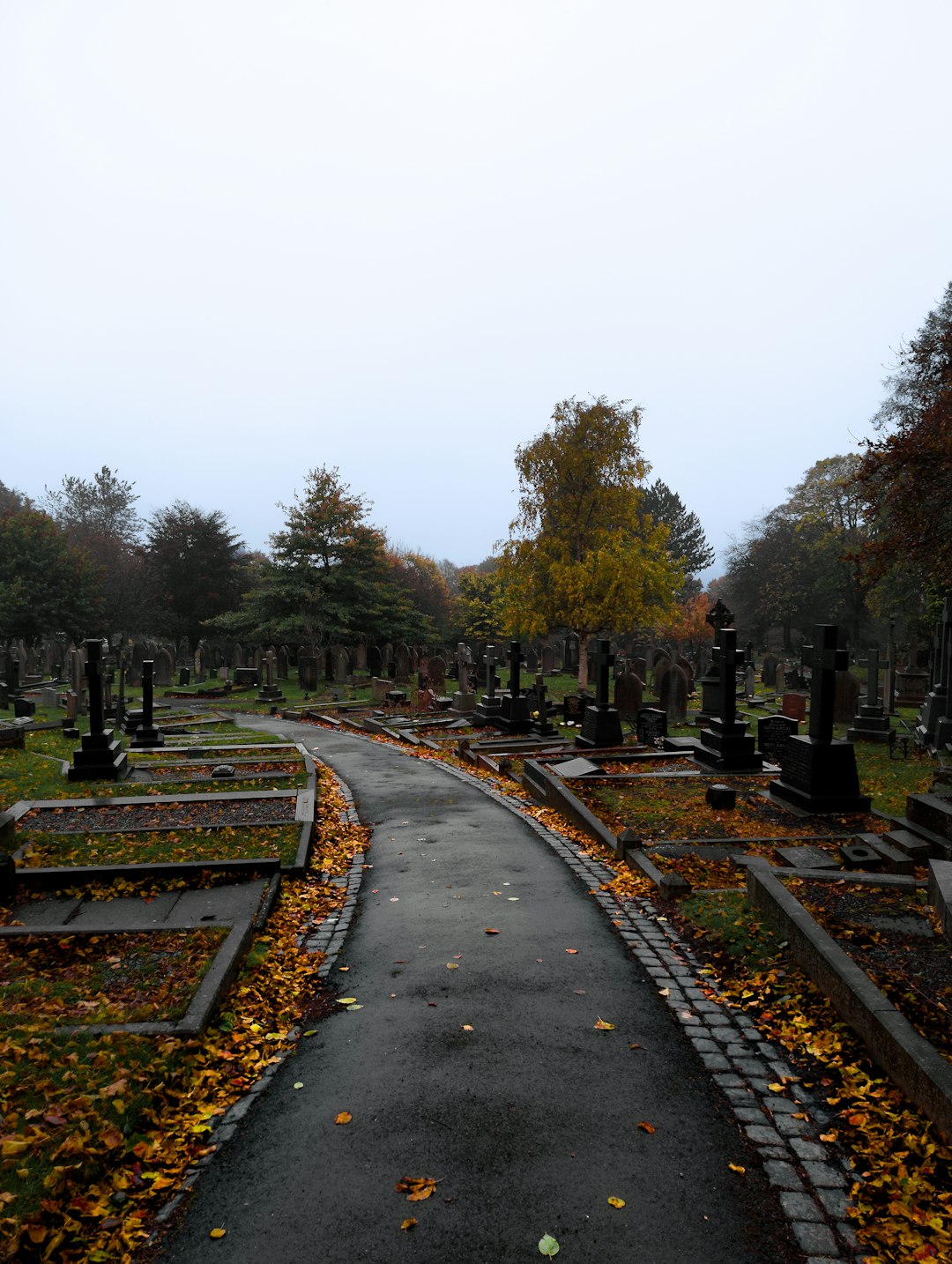
How Religious and Secular Funerals Differ in Poland
A practical guide to a religious vs secular funeral in Poland, explaining rituals, decisions and what expats should know.
The choice between a religious vs secular funeral often shapes the farewell. Moreover, families decide quickly under stress, and they need clear options. Consequently, knowing the differences helps expats respect wishes and avoid delays.
Religious funerals in Poland
Most Polish funerals follow Roman Catholic tradition. In addition, services typically include a wake with the body present, a funeral mass, a procession to the cemetery, and prayers at the grave. Families usually contact the parish priest where the deceased had baptism records or last lived. Therefore, an experienced funeral home can arrange these contacts and ease early days for relatives. However, Poland also hosts Orthodox, Lutheran, Jewish, Muslim and Jehovah’s Witness rituals. Each community sets rules about preparing the body, the permitted interval before burial, and the acceptability of cremation. Consequently, funeral homes must understand these differences and work with clergy from different faiths to honor family wishes.
religious vs secular funeral
A secular ceremony contains no religious rites. Instead, a Funeral Ceremony Master (Mistrz Ceremonii Pogrzebowej) leads the service. In addition, families use this option when the deceased had no declared faith or when they preferred a non-religious farewell. The secular format offers more personalization. For example, music, eulogies and the farewell style follow the family’s or deceased’s wishes. Moreover, the master helps plan and run the event, often after detailed conversations about the person’s life. However, note that Poland does not legally regulate the master role. Therefore, ask the funeral home about training and experience if you want a highly personal ceremony.
How families decide and mix options
Formally, the family decides the funeral format. However, families often follow the deceased’s spoken wishes or life choices. In addition, you can combine elements. For instance, you may hold a civil or secular ceremony and still bury in a religious cemetery plot. Consequently, good funeral homes offer flexible arrangements instead of a single template. The funeral business in Lublin illustrates this reality. Eden Funeral Home organizes both religious and secular funerals and adapts ceremonies to local diversity. Therefore, check local providers for experience with multiple traditions.
Choosing between formats affects more than ritual. Consequently, it impacts timing, paperwork and sometimes costs. In addition, expats should confirm who holds the legal right to decide, especially for non-Polish nationals. Therefore, get legal advice if families disagree.
Source: Read original article
📚 Looking for more help settling in Poland? Browse our complete Expat Guides.