House of the Soldier: From Tsarist Church to Lublin Landmark
The House of the Soldier Lublin rose from a demolished tsarist church and became a civic hub; learn why this matters for expats.
The House of the Soldier Lublin began as a visible symbol of imperial power. Consequently, locals later tore the tsarist church down and reused its bricks to build a new civic institution.
House of the Soldier Lublin: a short political history
In the late 19th and early 20th centuries, Russian authorities built a large Orthodox cathedral in central Lublin. However, local Catholics viewed it as an occupier’s monument, not a parish church. Moreover, the building featured Byzantine-Russian architecture and rose to 43 metres. Therefore, the church dominated the skyline and reminded residents of Russian strength. In addition, the cathedral housed valuable relics, including a copy of a Jerusalem icon and a fragment said to be from Golgotha. Consequently, the site held deep symbolic weight for multiple communities.
From tsarist symbol to community centre
After World War I, residents began to reject the structure. In April 1924, municipal councillors approved dismantling the cathedral. Meanwhile, soldiers and military prisoners undertook the hard labour of demolition. However, they avoided explosives to save the bricks for reuse. Ultimately, they left foundations partly buried one metre deep because full removal would risk damage and cost too much. Furthermore, they sold metal parts like gutters and roofing at auction. Then, the Committee for the Construction of the House of the Soldier claimed most usable bricks.
Construction, civic use and wartime changes
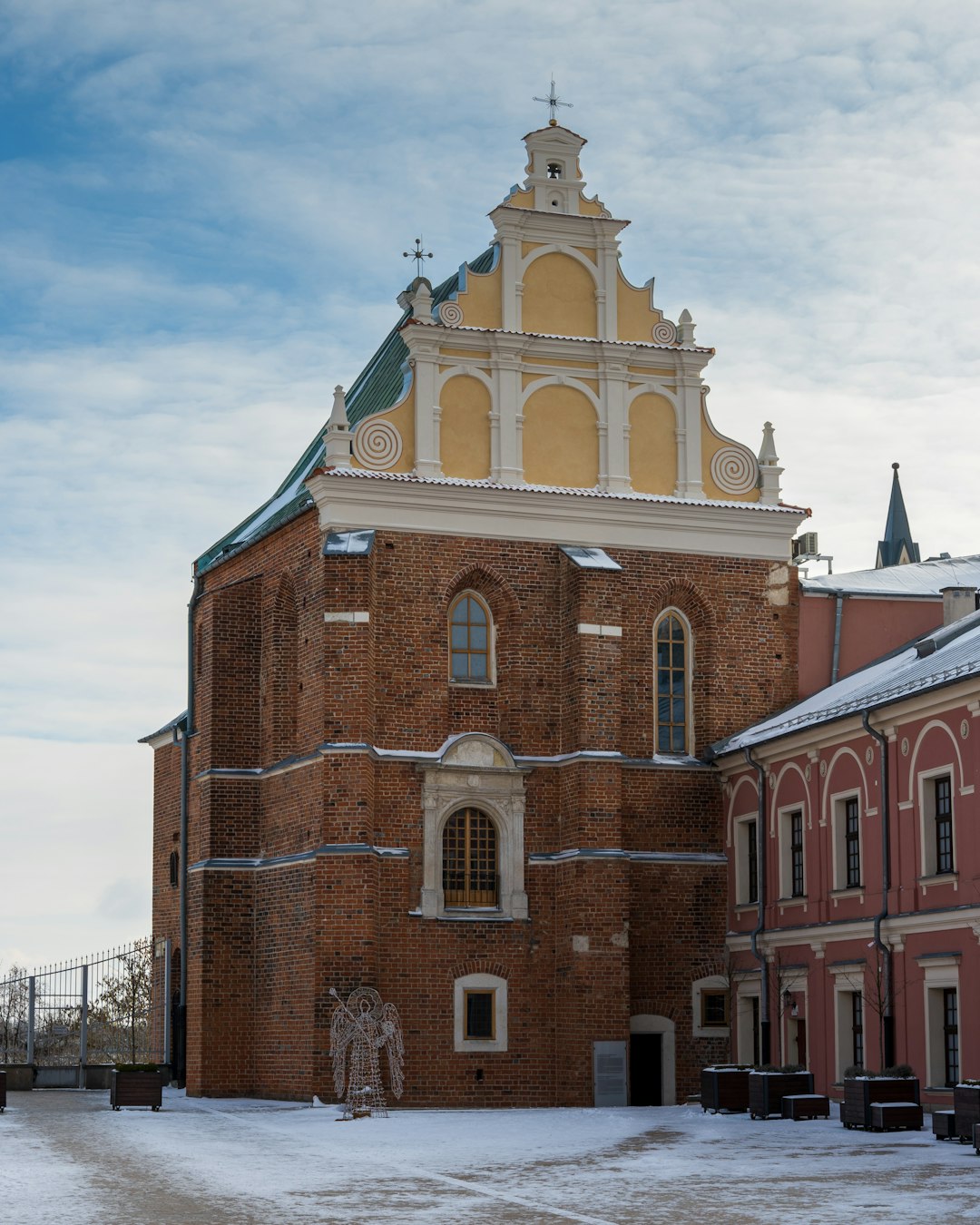
Work on the House of the Soldier began in 1924 and continued through the 1930s. Moreover, the new building offered cultural and educational services. For example, it contained a cinema, a gym, and a soldiers’ club. In addition, planners envisioned sports fields, tennis courts, and a bowling alley. However, the full plan never materialised. During World War II, German occupiers turned the building into an administrative headquarters. After the war, communist authorities renamed it the Central House of the Soldier. Nevertheless, artists and filmmakers used the space. Consequently, Poland’s first postwar film chronicles emerged there. Therefore, the building retained a military link through changing regimes.
Citizens funded the House of the Soldier through symbolic brick sales. Moreover, bookshops in Lublin sold commemorative stone tokens for donors. Consequently, the community helped shape the building’s identity. However, Warsaw offered little financial help at the time. In addition, the army retained ownership through the decades. Therefore, the property still belongs to the Polish Armed Forces today. In short, the site shows how a contested imperial symbol became a local cultural asset.
For expats, the story matters beyond local history. Firstly, it shows how architecture can express political power. Secondly, it explains why some central buildings in Polish cities carry layered meanings. Thirdly, it suggests that reuse often reflects social priorities. Finally, when you walk Lublin’s streets, you will pass places where bricks tell civic stories.
Source: Read original article
📚 Looking for more help settling in Poland? Browse our complete Expat Guides.