
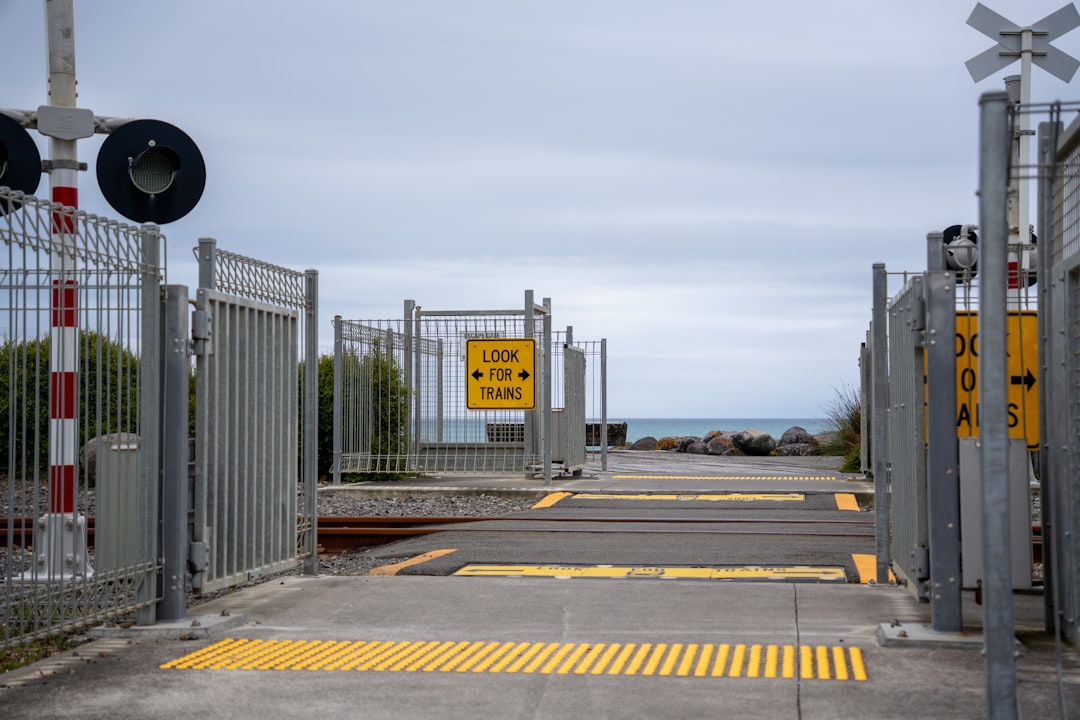
Drivers Key to Safe Crossings — Campaign in Chełm
A Chełm campaign stresses railway crossing safety, urging drivers to obey signals and avoid risky moves to prevent deadly collisions.
railway crossing safety took centre stage in Chełm on 31 March 2026. Officers from the Railway Protection Guard and PKP Polskie Linie Kolejowe staff ran a driver-focused prevention campaign.
Why the Chełm action matters
The action formed part of the national campaign Bezpieczny przejazd – Szlaban na ryzyko. Officers spoke directly with drivers near rail line no. 7. Moreover, they handed out information leaflets and practical advice. Consequently, organisers stressed driver responsibility as the key safety factor. In addition, officials shared data showing almost 99 percent of level crossing accidents stem from driver errors.
railway crossing safety: Common mistakes and consequences
Drivers most often ignore the STOP sign. They also enter crossings on red, drive around half-barriers, and try to cross under lowering gates. However, such choices endanger lives. Trains weigh hundreds of tonnes and need long distances to stop. Therefore, a car in front of a train has almost no chance to avoid severe outcomes. Moreover, collisions can cause major delays and costly repairs to infrastructure.
What the campaign did on the ground
At points along the route, officers held short safety talks. They showed how lights and barriers operate. In addition, they reminded drivers to look both ways on multi-track crossings. Officers also explained legal consequences. For example, drivers risk a mandat (a traffic fine) and higher liability if they cause an accident. Furthermore, authorities may record incidents for insurance and criminal follow-up.
Broader context for expats
Poland runs coordinated safety drives across regions. Thus, Chełm joined nationwide efforts to change habits. Moreover, rail operators and law enforcement share data to target hotspots. Consequently, local campaigns aim to reduce human error rather than blame infrastructure.
For foreign drivers, signage and enforcement differ from other countries. For example, some crossings show only lights without gates. Therefore, treat every crossing as potentially dangerous. In addition, local habits sometimes include impatience at quiet rural crossings. Nevertheless, safety depends on you. Consequently, follow signals, avoid risky manoeuvres, and never drive around lowering barriers.
Finally, the Chełm event aimed to change behaviour, not to alarm drivers. Officers and PKP PLK staff offered calm guidance. Moreover, they provided clear reasons why a split-second decision can end in tragedy. Therefore, respect rules at every crossing to protect yourself and others.
Source: Read original article