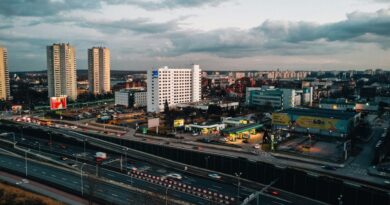

Drought Warning for Warsaw and Mazovia
Authorities issue a Warsaw drought alert as spring rains fail and reservoirs drop, affecting water use and public services.
The region faces an urgent shift in weather patterns and the authorities have issued a Warsaw drought alert as spring rains fail. Consequently, residents and businesses should prepare for restrictions and knock-on effects that may hit daily life and services.
What is happening now in Mazovia
Sunshine dominated mid-March, but that warmth hides a serious problem. Moreover, daytime temperatures reached double digits while precipitation stayed near zero. Therefore, hydrological models show no quick return to normal rainfall. In addition, the European Drought Observatory now places the capital region in a high-deficit band. Farmers already report stressed soils and farmers expect lower yields this season.
Warsaw drought alert: local impacts and risks
The city draws water from local reservoirs and the Vistula river, so lower levels hit supply systems. Consequently, municipal managers consider temporary water-use limits and targeted rationing. However, officials have not declared sweeping bans yet, but they warn residents to conserve water. Moreover, the risk of wildfires in nearby forests rises, and emergency services prepare accordingly. Therefore, gardeners and homeowners should avoid non-essential irrigation where possible.
Why this matters to expats and businesses
Public services may change schedules or introduce rules that affect daily routines. For example, cleaning firms, restaurants, and small manufacturers might face reduced water allocations. In addition, construction projects often pause during water shortages, and that can delay housing refurbishments. Moreover, outdoor events could face cancellations or extra costs for water tanking. Expats should also note that some fines (mandat) apply for ignoring local restrictions, and local police may enforce new rules.
Health services could feel pressure if heat worsens. Therefore, clinics under the National Health Fund (NFZ) may see more patients with dehydration or heat illness. In addition, social programs administered via the Social Insurance Institution (ZUS) might offer emergency support for affected workers. However, contact local authorities early if your business faces operational risks.
Longer term, climate trends matter. Consequently, planners debate infrastructure upgrades to reservoirs and groundwater recharge. Moreover, the city needs plans that balance household supply, industry, and agriculture. Therefore, residents should follow official channels for updates and conserve water now. In addition, businesses should review contingency plans and speak with insurers about climate-related cover.
Finally, this situation shows how local weather links to larger climate shifts. However, short-term choices still matter for your neighborhood and your wallet. Consequently, act early, cut non-essential water use, and stay informed.
Source: Read original article