
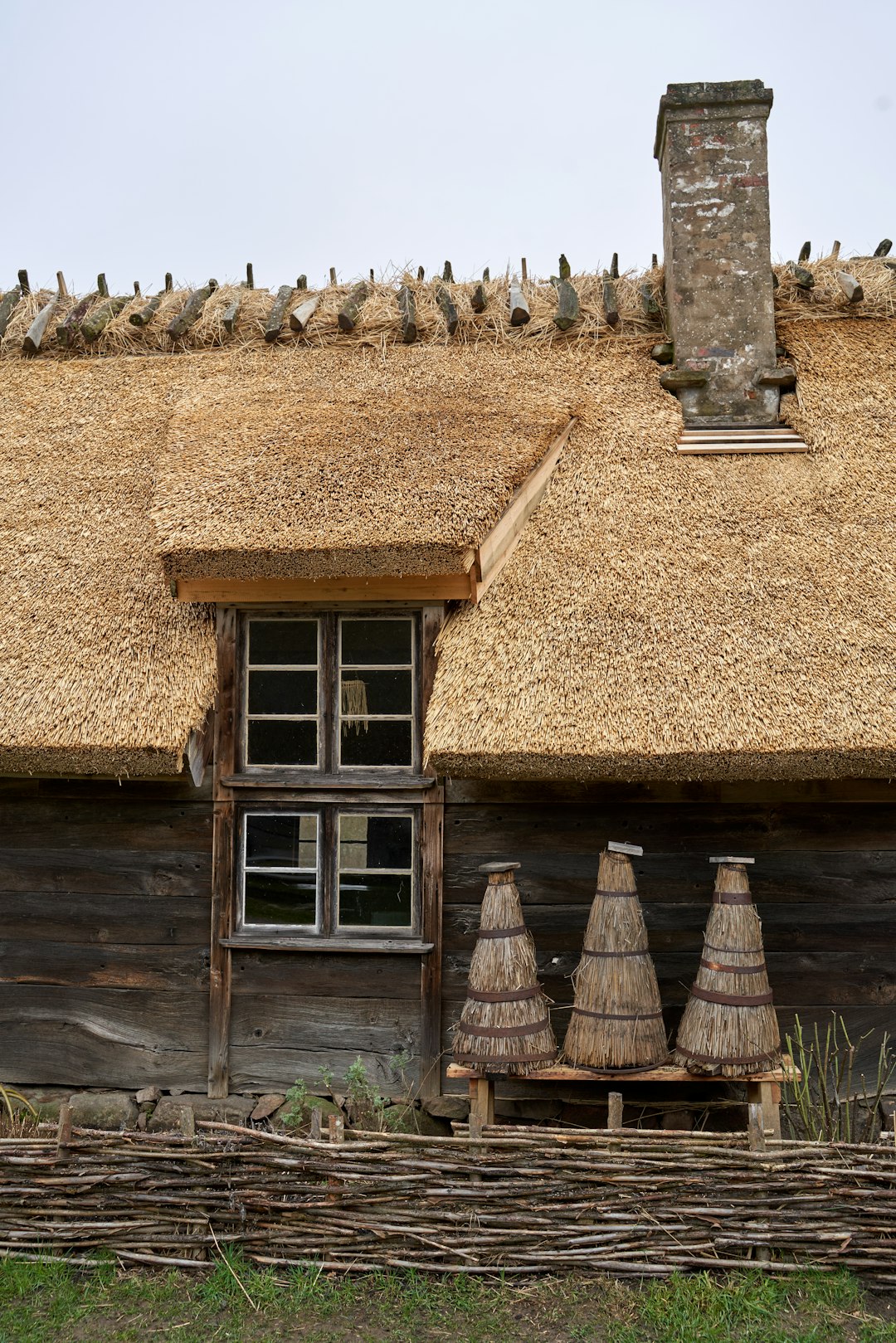
Dożynki Dworskie at Lublin Open-Air Museum
Dożynki Dworskie at the Muzeum Wsi Lubelskiej revived a Polish harvest festival with procession, mass, music and traditional fare.
Dożynki Dworskie returned to life on August 23 at the Muzeum Wsi Lubelskiej, reviving a Polish harvest festival in front of visitors. The open-air reenactment combined music, ritual, and communal food, and it drew families and tourists to the Lublin skansen.
Polish harvest festival at the Muzeum Wsi Lubelskiej
The celebration began in the Chałupa z Urzędowa, where volunteers prepared and decorated the harvest wreath. Consequently, the wreath left the house in a formal procession. The participants formed a colourful cortege. In addition, a folk band led the march toward the historic Kościół z Matczyna in the Miasteczko sector. There, the museum staged a Mass and blessed the wreath inside the seventeenth-century church.
Moreover, the museum recreated the old social order inside the church. The lord’s family sat in the gallery, while harvesters stood in the nave with their wreaths. Therefore, visitors could not only watch the ritual, but also sense the atmosphere of interwar manor ceremonies. The procession then moved to the eighteenth-century Dwór z Żyrzyna. There the museum staged the ceremonial handover of the wreath and the smaller head garlands to the estate host.
The tradition traced to practices in the Krychowski estate at Sławin and the Kiełczewski manor in Guzówka. Consequently, the museum connected the skansen’s buildings to real local history. The reenactment highlighted how landowners, parish life, and peasant labour once combined during harvest season. In addition, the event ended with a shared meal, mirroring old manor hospitality.
Why Dożynki Dworskie matters
For expats, this event offers more than spectacle. It shows how rural Poland marked seasonal cycles with faith and feasts. Moreover, the ceremony links agrarian customs to regional identity. Therefore, attending helps foreigners appreciate local calendars and community rhythms. However, many non-Poles first dismiss such events as quaint. In reality, they shape local tourism and cultural memory. The museum keeps these practices alive, and thus it supports local crafts and musicians.
The museum event drew photos and conversation across social media. Moreover, organisers described the day as a success. Therefore, they plan similar historical reconstructions in the coming year. Visitors praised the authenticity of costumes and music. In addition, families enjoyed the chance to talk with craftsmen and to taste traditional dishes. The combination of sacred ritual and secular celebration gave the event a balanced feel.
For practical travel, the Muzeum Wsi Lubelskiej sits near Lublin’s centre. Consequently, visitors can reach it by tram or bus, and by car with on-site parking. Moreover, the museum operates regular opening hours and sells timed tickets. Therefore, check the museum website before you go.
Source: Read original article
📚 Looking for more help settling in Poland? Browse our complete Expat Guides.