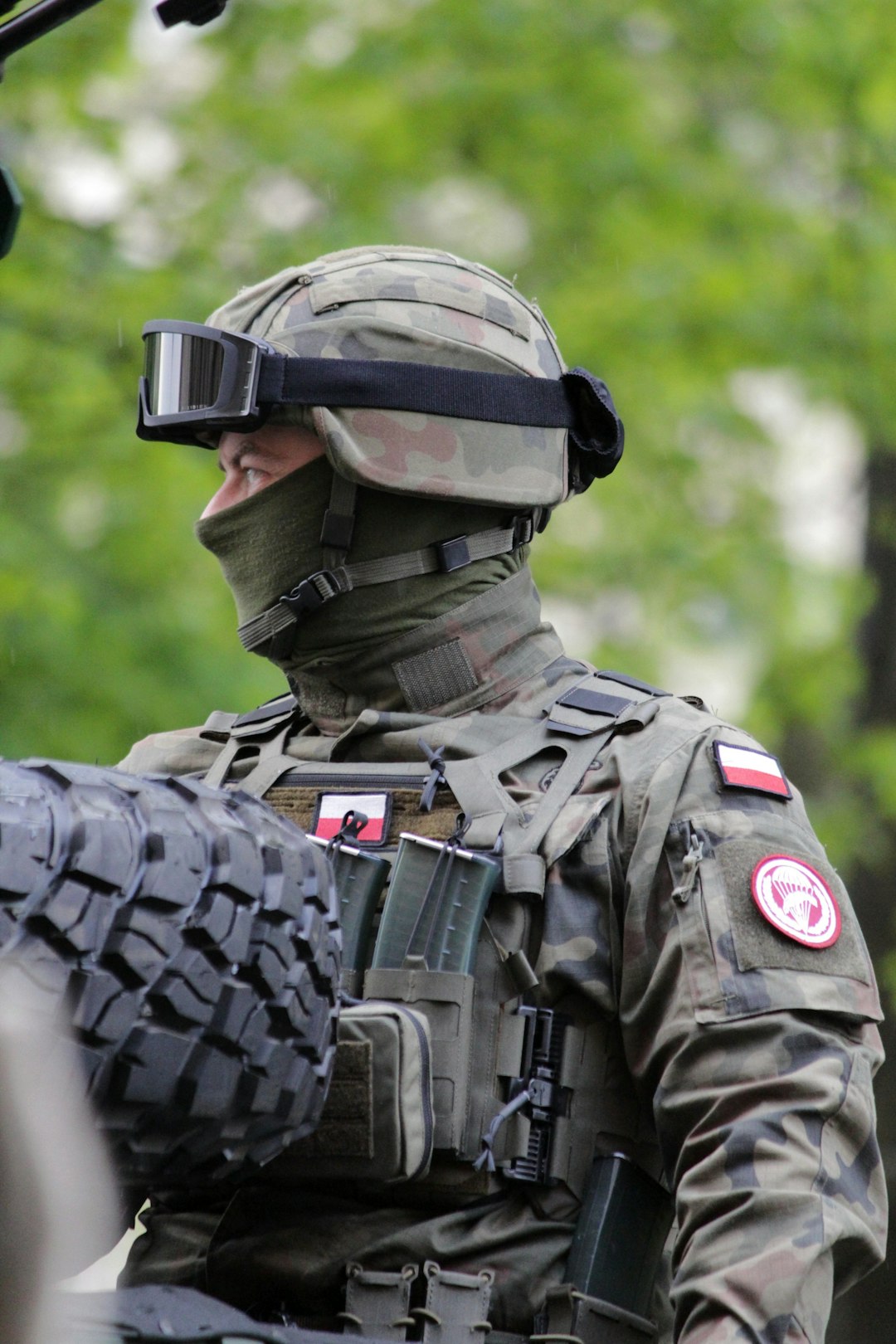
Contract Uniforms and No-Matura Hires at Polish Border Guard
Nadbużański unit opens contract roles, easing rules in border guard recruitment Poland for practical specialists without high school diplomas.
The Nadbużański Border Guard swore in a new intake on Thursday, and the ceremony marked a clear policy shift in border guard recruitment Poland. The unit plans a large 2026 intake, and it now accepts candidates without complete secondary education if they bring useful skills.
What happened at the ceremony
Officials held a full ceremonial oath on Thursday. The commander, Brig. Gen. Jacek Szcząchor, addressed the recruits directly. He congratulated them and wished success on their new path. A unit chaplain gave a blessing. The new guards now begin a different rhythm of life. They move from civilian routines to shift work on the state border. The institution plans to recruit up to 170 contract guards next year. Consequently, the ceremony was only the first visible step in a wider staffing strategy.
Key changes in recruitment
The most notable change allows people without a high school diploma to apply. In addition, the Border Guard values practical skills and life experience. Candidates with driving licences A and B, industry certificates, or specific job experience qualify. The process stays straightforward. First, applicants submit documents. Then, they take a written test and sit an interview. Moreover, the service requires psychological exams and a fitness test. The agency also carries out security checks for classified information. Finally, a medical commission clears candidates to carry weapons. Therefore, the path from hiring to deployment remains rigorous.
border guard recruitment Poland: who else benefits
The new rules make it easier for former officers to return. In addition, the service created a fast-track re-entry for veterans. If someone returns within a year, they face only an interview and a medical check. However, returnees who rejoin between one and five years must also pass fitness and psychological tests. After five years, the fast-track option ends. Therefore, anyone who left the service should consider applying soon. The 2026 window offers a practical chance to re-enter quickly.
Why this matters to expats and local communities
The policy signals a focus on operational needs over formal credentials. Consequently, the Border Guard hopes to fill posts near the Bug River faster. Those posts sit on Poland’s eastern border. They face real operational pressure, especially during migration surges. Moreover, practical skills like driving or technical maintenance reduce training time. This change may affect border staffing patterns in Lublin Voivodeship. In addition, it might ease local labour shortages in border towns such as Biała Podlaska. The move also reflects national debates about recruitment and public service flexibility.
Recruitment here reveals how authorities adapt to operational need. Moreover, it points to a broader trend in public hiring. The Border Guard balances speed and security. It retains checks for classified information. Therefore, applicants still face thorough vetting before front-line work.
Source: Read original article
📚 Looking for more help settling in Poland? Browse our complete Expat Guides.