
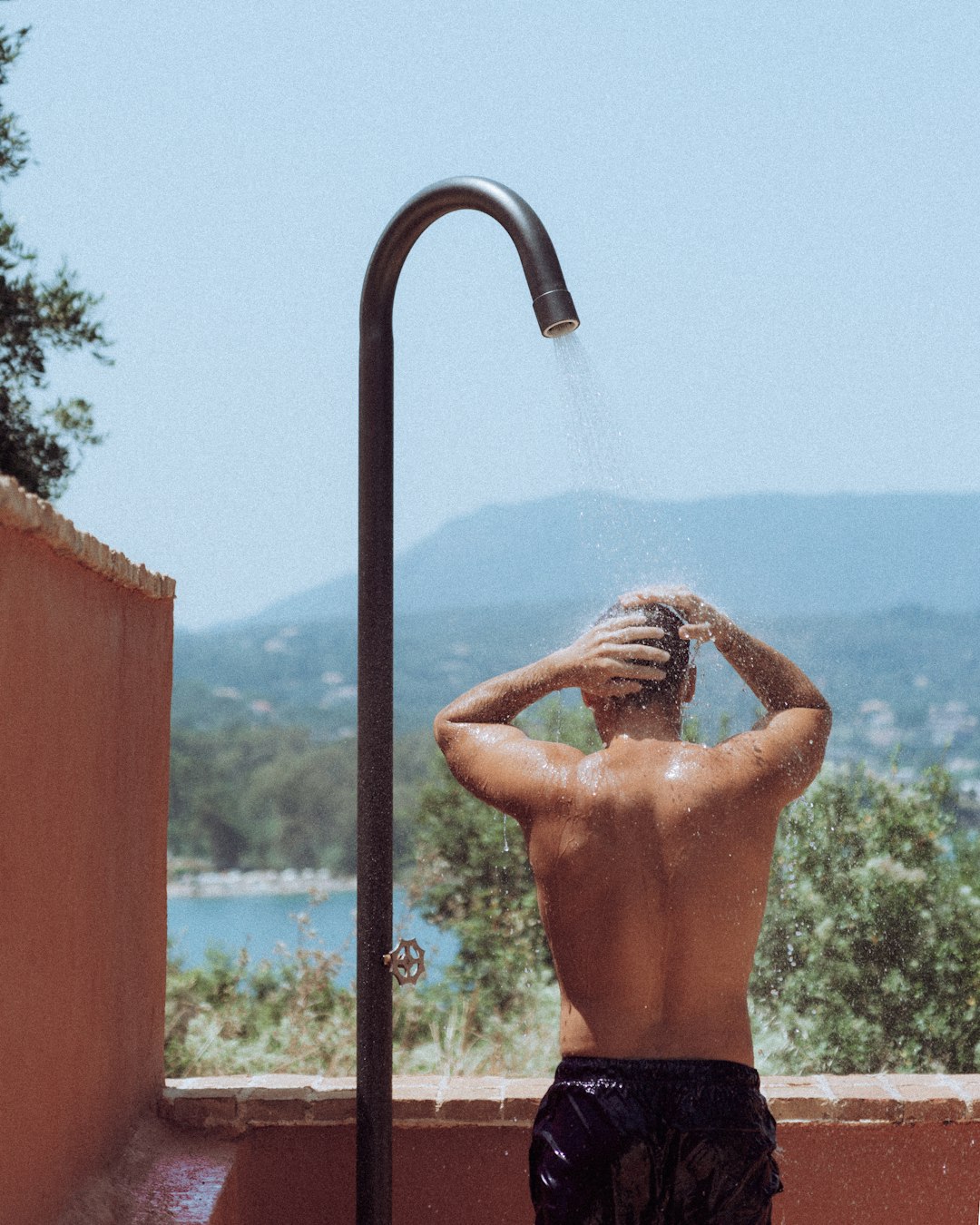
Cold shower in heat: quick relief or big mistake?
Research shows a cold shower in heat can briefly feel good but may hinder long-term cooling. Learn when cold water helps and when it harms.
Many people swear that a cold shower in heat brings instant relief. However, physiology shows that very cold water can slow your body’s cooling over time.
Why skin acts as a radiator
Your skin serves as the main radiator of your body. Consequently, blood flow near the surface moves heat out. Moreover, exposure to very cold water triggers a protective reflex. Therefore, the skin’s blood vessels constrict quickly. In addition, the body redirects blood toward internal organs. Hence, that reflex helped humans survive falling into cold lakes. However, evolution did not design it for cooling on hot city afternoons.
Cold shower in heat: what studies say
Researchers in thermoregulation explain the mechanism clearly. Prof. Mike Tipton and others note that a sudden cold shock narrows skin vessels. Consequently, the skin stays poorly perfused. Therefore, the body cannot move internal heat to the surface well. Moreover, that effect lasts after you step out of the shower. As a result, your core temperature can rise again. By contrast, lukewarm water keeps skin blood flow steady. Thus water around 26-27°C cools you more effectively during a heatwave. In addition, such water washes off sweat, sebum and sunscreen. Therefore evaporation works normally. Also, very cold water often shortens shower time. Consequently, you lose potential cooling minutes.
When icy water is the right choice
Emergency medicine treats heatstroke differently. Immediately lowering core temperature saves brain and organs. In that case clinicians use rapid cold-water immersion. Therefore doctors prioritize speed over comfort. However that approach applies only to life-threatening heatstroke. For routine relief, experts prefer milder water. Also people with heart disease should avoid sudden cold. A sharp vasoconstriction raises cardiac workload. Hence, cold shocks can trigger chest pain or fainting in vulnerable people.
Practical tips for cooling down
First, choose lukewarm or slightly cool showers on hot days. Second, pour water over wrists, neck and elbow folds. Those areas sit near large blood vessels. Consequently you cool circulating blood faster. Third, stay hydrated and seek shade. Moreover, plan outdoor activities for cooler hours. Fourth, people with cardiovascular issues should consult a doctor before trying very cold water. Finally, if someone shows signs of heatstroke, call emergency services immediately. In Poland dial 999 for an ambulance, or 112 from a mobile phone.
Source: Read original article
📚 Looking for more help settling in Poland? Browse our complete Expat Guides.