B2B vs B2C Trade Shows: Strategies Compared
B2B vs B2C trade shows demand different approaches to booths, teams, and ROI. Practical guidance for businesses and expats in Poland.
Trade shows force firms to choose a clear approach. Understanding B2B vs B2C trade shows helps companies save budget and gain real results.
What are B2B and B2C events?
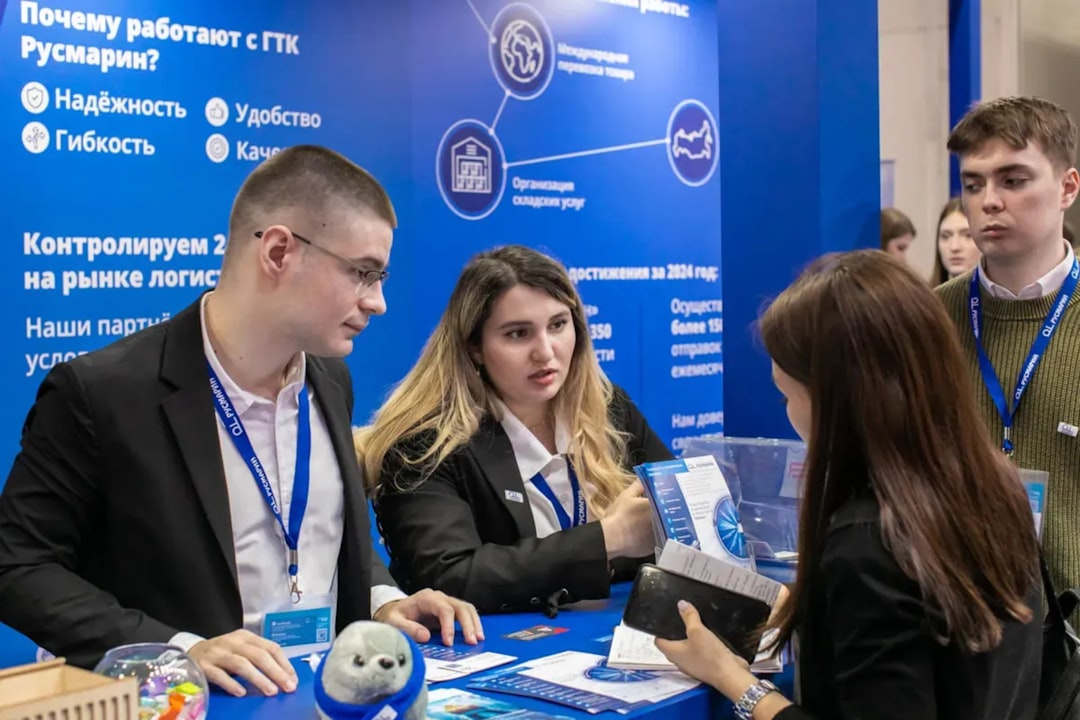
B2B events attract buyers, distributors, and industry decision makers. Moreover, these fairs focus on meetings and long term deals. However, B2C events target final consumers and mass attention. In addition, exhibitors try to create memorable brand experiences at consumer shows. Consequently, organisers and visitors expect different behaviours and outcomes.
B2B vs B2C trade shows: strategy and booth design
At B2B fairs companies aim to secure qualified leads and partnerships. Therefore, booths should offer meeting space and calm zones for negotiations. Moreover, staff need deep product knowledge and negotiation skills. However, at B2C shows exhibitors need eye catching displays and quick demos. In addition, interactive samples, contests, and live tests drive footfall. Consequently, you should design separate zones if the event has mixed audiences. Also, exhibitors can schedule private meetings behind a visible, professional front area.
Teams, messaging and measurable goals
Choose team roles based on the show type. For B2B hire senior staff who can negotiate contracts and discuss margins. Moreover, ask technical people to attend for product demos. At B2C bring energetic staff who can handle many short interactions. Therefore, train everyone on clear, simple messages that convert. Also, set measurable KPIs before the fair. For B2B track meetings, qualified leads, and projected deal value. For B2C track visitors, product trials, signups, and immediate sales.
Why this matters for foreign companies in Poland
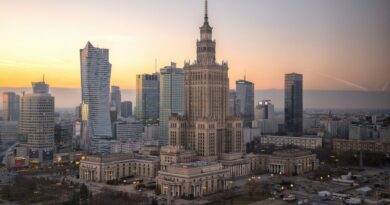
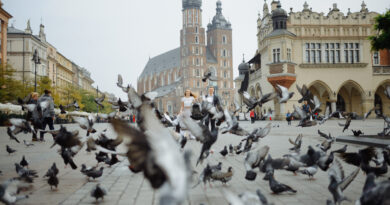
Foreign businesses often misread Polish trade culture at first. However, Poland offers vibrant trade shows across cities such as Warsaw and Poznan. Moreover, local contacts value punctuality and clear commercial terms. In addition, you should prepare administrative details early. For example, registering staff or invoices may require Polish IDs or company data. Also, note Polish specifics like ZUS (social security contributions), NFZ (public health insurer), and PESEL (national ID number) when you hire locals or arrange contracts.
Consequently, careful planning delivers better ROI than a generic approach. Moreover, visiting expo websites like expotextil.pl helps you learn stand construction rules and service options. Therefore, allocate budget based on goals and audience, not habit.
Source: Read original article
📚 Looking for more help settling in Poland? Browse our complete Expat Guides.