Car vs Train Safety: Rising Risks at Polish Crossings
car vs train safety matters as Poland recorded more level crossing crashes. Learn why expats should care and what to do.
Poland saw a worrying jump in level crossing collisions last year, and car vs train safety remains a critical concern for drivers. Consequently, authorities recorded 185 incidents, 58 deaths and 18 serious injuries across the country.
Why the numbers matter
Rail collisions carry a grim logic. A train weighs thousands of tonnes. Therefore a car driver has almost no chance in a direct impact. Moreover, high speeds amplify the danger. Consequently, even small errors yield fatal results. Last year’s totals show the human cost. In addition, families and emergency services pay the price.
Local action in Chełm and nationwide campaigns
Officials keep reminding drivers of basic rules. On Friday, 17 April, the Railway Protection Guard (Straż Ochrony Kolei) and PKP Polskie Linie Kolejowe (the state rail network operator) ran an educational event in Chełm. Volunteers handed out leaflets and gave practical tips. They stressed obeying signals and stopping at barriers. In addition, they warned against risky behaviour at ungated crossings. The event forms part of the long-running “Bezpieczny Przejazd” social campaign. PKP started the programme in 2005. However, the campaign changed tone over time. In 2012 it added prevention of illegal foot crossings. Since 2015 it prioritises driver education. The phrase “Szlaban na ryzyko!” now anchors the message.
car vs train safety: what drivers must remember
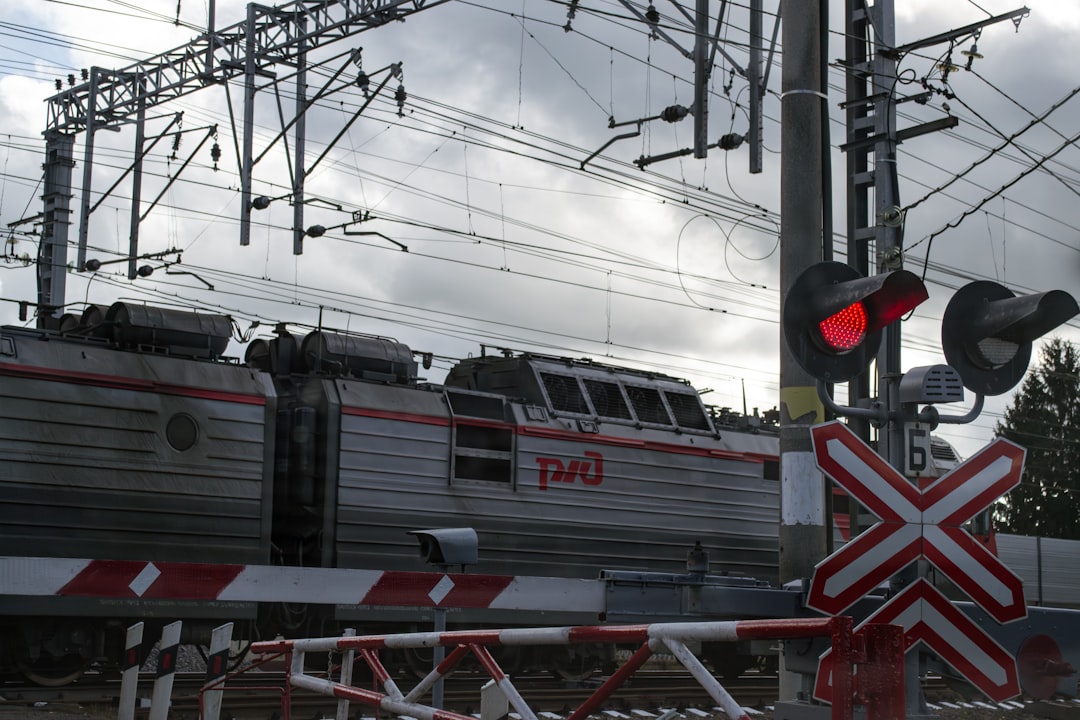
Always expect a train, even if you cannot see one. Stop if lights flash or barriers lower. Never drive around lowered barriers. Moreover, reduce speed near crossings. In addition, avoid distractions like phones. Emergency responders also urge drivers to look both ways. If you stall on tracks, exit quickly and move away from the rails. Then call the emergency number displayed at the crossing.
What this means for expats
Expats often rely on GPS navigation and unfamiliar roads. Therefore note that some rural crossings lack gates or signals. In addition, road signs may differ from those at home. For fines, Poland uses the term mandat (on-the-spot fine). Moreover, official registers like PESEL (national ID number) affect traffic procedures for residents. If you use health services after an injury, know NFZ (public health insurer) manages most state care. In turn, ZUS handles social insurance and benefits for injured workers. Consequently, understanding local systems speeds recovery and claims.
Source: Read original article
📚 Looking for more help settling in Poland? Browse our complete Expat Guides.