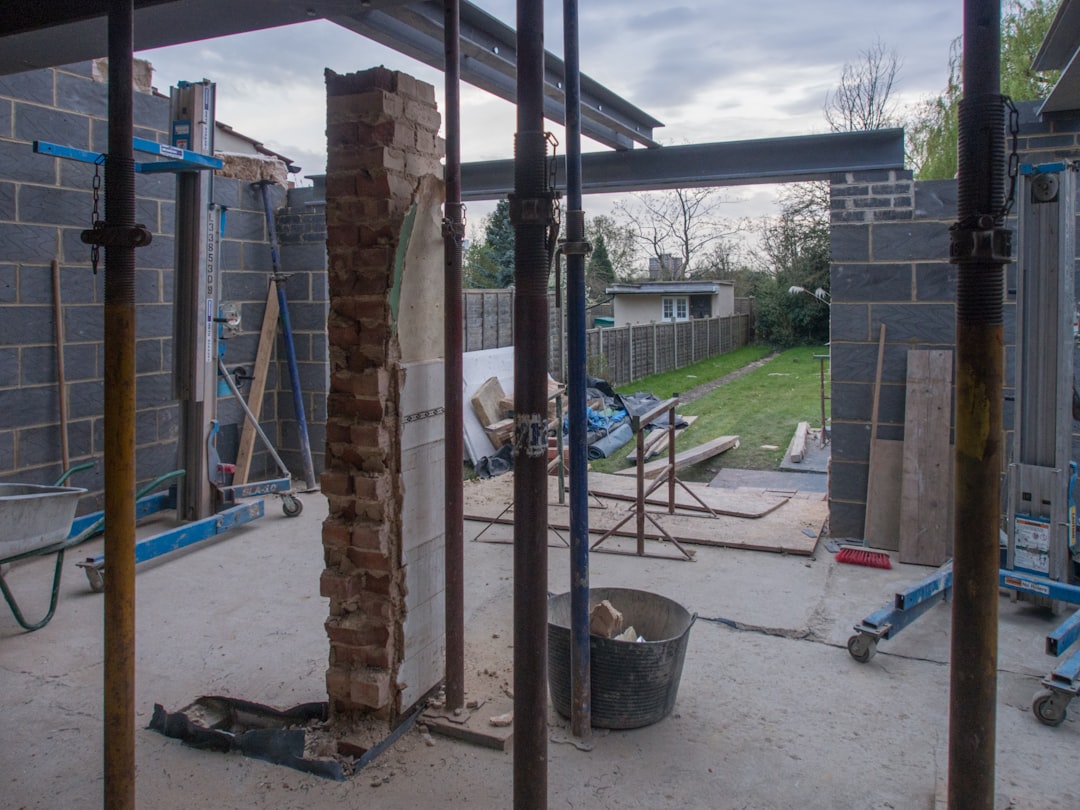
February rule: neighbour access to property
From Feb 27, 2026 a unified form expedites neighbour access to property in Poland, ending local bureaucratic delays and clarifying rights.
From 27 February 2026 a unified application rule lets builders seek neighbour access to property without neighbour consent. The change ends years of bureaucratic confusion and speeds up approvals nationwide.
What the new rule means for neighbour access to property
The underlying right to enter a neighbouring plot comes from Article 47 of the Building Law. However, administrations applied different forms and local rules. Consequently, investors waited months for basic permissions. The new regulation from the Ministry of Finance and Economy established a single form. Therefore, the national e-budownictwo portal now accepts applications centrally. The county head or city president (starosta or prezydent miasta) will handle most files.
How the new procedure works
First, the investor must try to negotiate with the neighbour. Moreover, the law requires proof of that attempt. Therefore, send a registered letter and keep copies. If talks fail, file the standard form on paper or online. In addition, the authority has 14 days to issue a decision when the form is complete. The form asks for work scope, exact area of use, timespan, and a technical justification. This justification must show that the work cannot take place only on the applicant’s plot. Furthermore, include maps or photos to speed the review. The authority may request clarifications only for missing legal grounds, not for local preferences.
What the decision does and limits
If the authority grants access, its decision replaces neighbour consent. However, the decision limits how the investor may use the land. For example, you may place scaffolding or store materials only as specified. Furthermore, the investor must restore the land after works. The investor bears liability for damage under Article 363 of the Civil Code. Therefore, neighbours can demand repair or compensation in civil court if needed. If a neighbour refuses to comply with the final decision, the authority may start enforcement proceedings and fine the owner repeatedly. In addition, the enforcement may lead to court orders to open gates or remove obstacles.
Urban and territorial context
In dense cities like Warsaw, plots sit close together. Consequently, conflicts over access occur more often. Moreover, developers and homeowners face tight deadlines and complex infrastructure. Therefore, an efficient process helps clear scaffolds faster. In rural areas disputes are rarer, but access often involves long driveways. In addition, property records here rely on Land and Mortgage Registers (księgi wieczyste). Applicants should check ownership before filing.
Practical pointers and emergency exceptions
In emergencies you need no form. Article 142 of the Civil Code allows immediate action to avert danger. For instance, a burst pipe that floods a stairwell needs instant repair. Moreover, courts have confirmed this rule in past rulings. Therefore, do not wait when safety or health are at risk. Also, tenants should notify landlords and landlords should notify authorities. Finally, keep all communication in writing and keep photos as proof.
Consequently, this change matters for homeowners and tenants across Poland. It reduces delays and clarifies duties. However, it does not remove obligations to negotiate in good faith. Therefore, protect your rights by documenting every step and by consulting a lawyer when in doubt.
Source: Read original article