77 Years Since the Lublin Miracle
Remembering the Lublin Miracle of 1949 in Lublin, where a weeping icon drew thousands and baffled investigators.
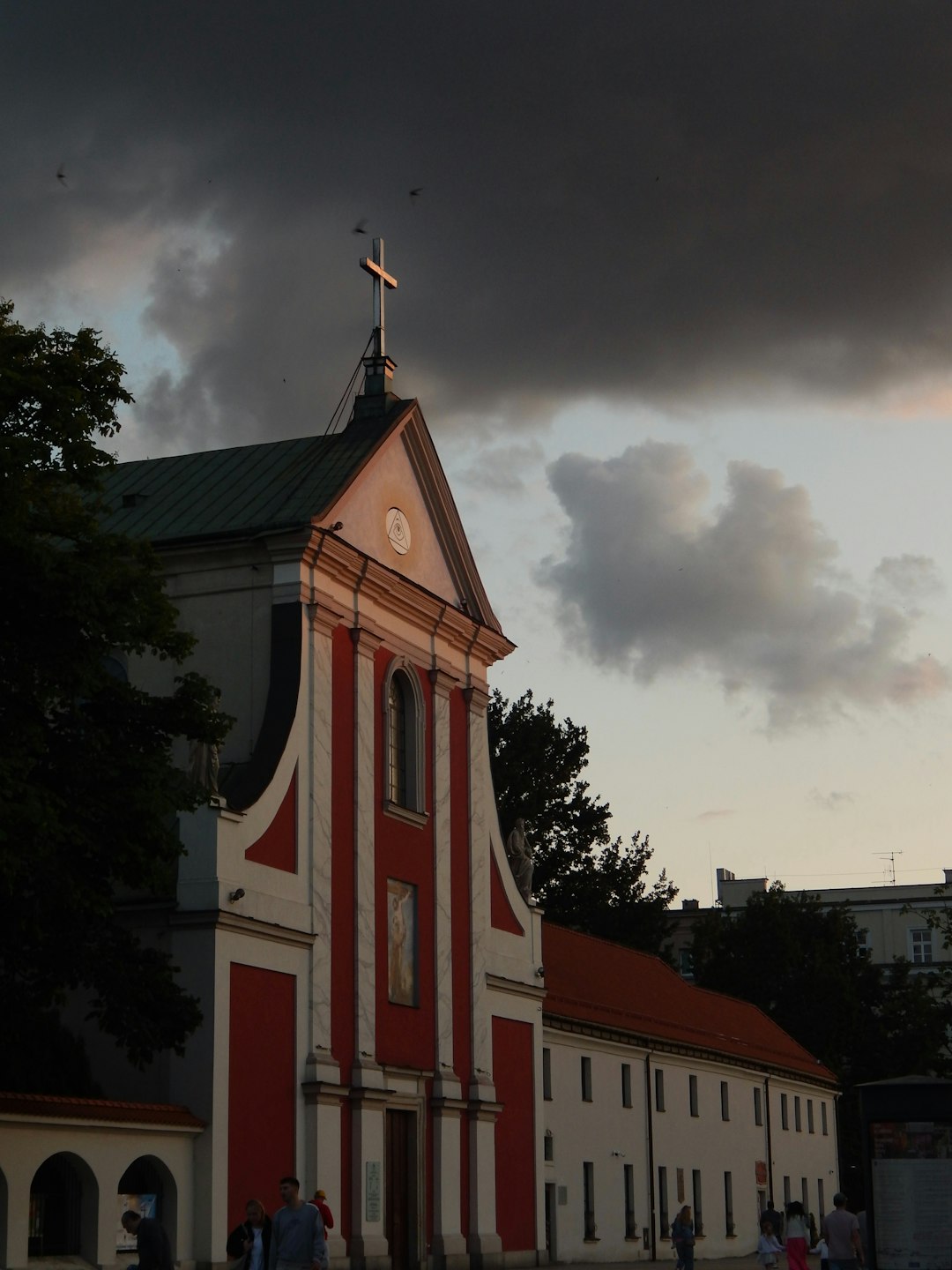
The city of Lublin marks 77 years since a sensational event known as the Lublin Miracle. On 3 July 1949 worshippers reported tears of blood on a replica of the Black Madonna in the Archcathedral.
The Lublin Miracle: what happened
Witnesses spread news quickly across the city and beyond. Consequently about 38,000 pilgrims gathered at the cathedral on 10 July. Moreover crowds sometimes clashed with security forces from the Urząd Bezpieczeństwa, the communist secret police. However authorities and church leaders offered no unanimous explanation at the time. In addition local experts formed a commission that included priests, an artist, a conservator, a chemist, and a lawyer.
Investigation and findings
The lab team analyzed the liquid. Therefore the lead analyst, Dr Zygmunt Dambek, concluded the fluid was neither blood nor normal tears. Also the commission could not determine the exact cause. However scientists noted an odd physical detail. The drops did not run straight down by gravity. Instead the liquid traced an arc from the eyelids toward the cheeks. Consequently observers debated whether the marks came from condensation, capillary action, or a more mundane cause.
Why this still matters
First, the episode reveals how faith and politics collided in early communist Poland. Secondly public reaction showed religious devotion amid state hostility. Moreover processions became a social ritual and a quiet form of resistance. Therefore the event retains symbolic power for many Catholics today. However the Catholic Church has not formally approved the occurrence as a miracle. In addition Lublin still marks the anniversary each year with a procession and mass.
For non-Polish readers the episode gives a window into wider history. The postwar state limited public religion and monitored gatherings closely. Consequently any large religious event could become a political spectacle. Also the episode explains why pilgrimages remain significant in Polish civic life today.
The annual rites now begin with mass at Lublin Archcathedral. Then faithful carry the image through the city streets in a solemn procession. Moreover tourists and foreign residents often join to observe cultural tradition. Therefore officials and church staff try to organise safe routes and crowd control. However visitors should expect busy transport and limited parking.
In sum the Lublin Miracle remains a contested and powerful story. It shaped local memory, religious practice, and city ritual. Consequently it still draws pilgrims and curiosity from outsiders. Therefore for expats it offers a vivid lesson on how faith, history, and politics intersect in Poland.
Source: Read original article
📚 Looking for more help settling in Poland? Browse our complete Expat Guides.