
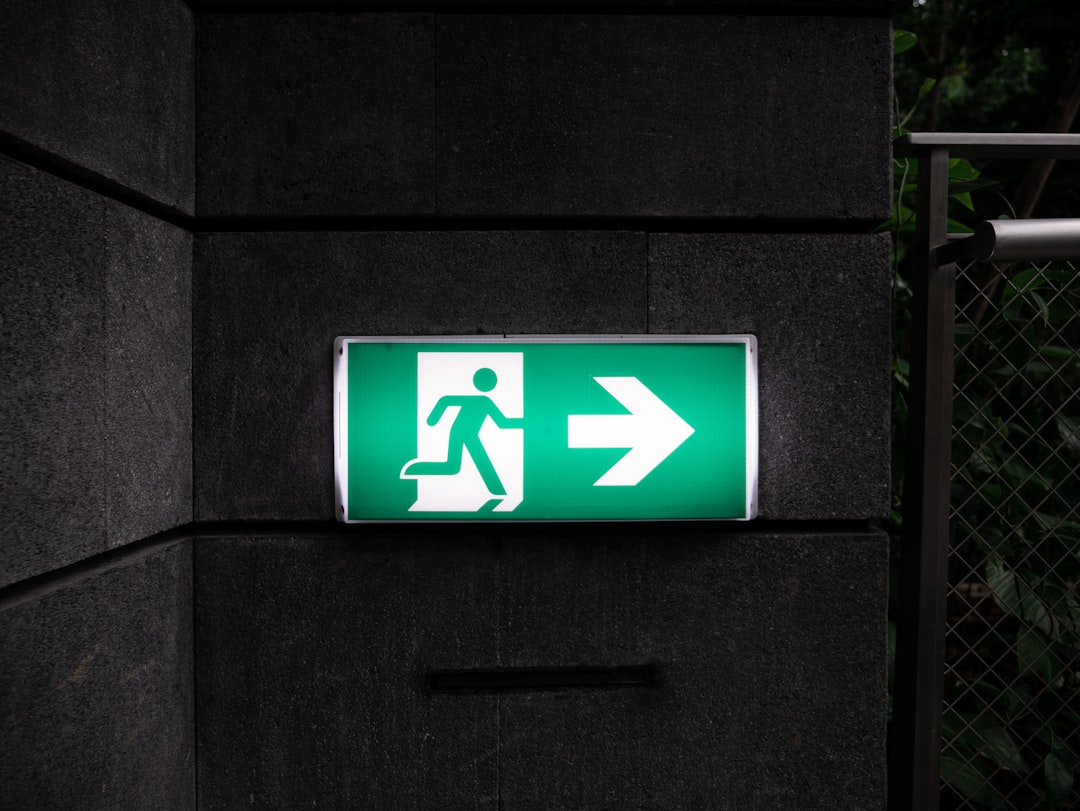
Who Can Inspect Emergency Lights and Risks of Missing Records
Learn who must perform an emergency lighting inspection in Poland, the legal standards, and penalties for missing documentation.
The owner or manager of a building must ensure regular emergency lighting inspection. Consequently, this requirement affects safety, insurance, and legal liability.
What rules govern emergency lighting inspection?
Poland treats emergency lighting as part of fire protection systems. Therefore, the Ministry of Interior and Administration (MSWiA) imposes strict rules. Moreover, designers follow Polish Norms such as PN-EN 50172 and PN-EN 1838. These standards set system logic and illumination levels. In addition, you must run tests so escape routes remain visible during evacuation.
Who may perform an emergency lighting inspection?
Only qualified specialists or authorised service companies should inspect emergency fittings. The owner chooses the contractor, and the owner bears legal responsibility. Consequently, a check by an unqualified person carries no legal weight. A competent technician should hold current SEP certificates for operation and supervision. In addition, they should have valid measurement licences and deep knowledge of fire regulations. Therefore, a proper technician will prepare full technical documentation and sign a clear protocol with licence numbers.
How often should you test and document systems?
Follow PN-EN 50172 rules for routine checks. Monthly functional tests simulate a power loss, and yearly autonomy tests verify batteries. Moreover, you should test battery supply for one or three hours, depending on installation. Also, measure illuminance with PN-EN 1838 rules every five years. In addition, inspectors must check equipment after any renovation or layout change. Consequently, the building log must include all entries and recent protocols.
What does a proper technical inspection include?
An expert inspects fittings and control units. Moreover, they test batteries, monitoring modules, and run lighting measurements with a certified lux meter. They also check signs and pictograms for legibility. In addition, the service reviews housing integrity and correct mounting. Therefore, the technician documents faults and prescribes repairs. A clear report lists lux values, checked fittings, detected defects, and repair steps. Finally, a signed protocol with SEP numbers proves compliance to authorities and insurers.
Missing or poorly kept documentation brings real risks. Authorities can impose high fines and force businesses to close temporarily. Moreover, insurers may deny claims, and managers face civil or criminal liability. Therefore, regular service and proper protocols reduce legal and financial exposure. In addition, maintained lighting saves lives during emergencies.
Source: Read original article
📚 Looking for more help settling in Poland? Browse our complete Expat Guides.