
Warsaw buys buses with stretchers; metro shelter plan
Warsaw bought buses with stretcher mounts and prepared evacuation plans. Learn why Warsaw civil defense buses and metro changes matter for expats.
Warsaw has bought 120 articulated buses that can quickly convert to stretcher carriers. Moreover the city plans to use parts of its metro network as temporary shelter, and the move reshapes civil defence thinking in Poland. The purchase of Warsaw civil defense buses signals a practical shift in urban safety.
Why the city bought Warsaw civil defense buses
The municipal transport authority ZTM (the Warsaw Municipal Transport Authority) signed a 324 million zł contract with Solaris. Consequently the first vehicles arrive in late 2026 and the full delivery will finish in 2027. In addition each articulated bus will take four stretchers and they fit without tools. Therefore buses will run normal routes in peacetime and convert in minutes during crises. However the city chose diesel engines on purpose. The spokesman said conventional drives work best during blackouts and fuel strain. As a result they avoided fully electric models that need charging infrastructure.
How the evacuation system works
The government issued new rules in 2025 that order priority groups. First go hospital patients and then children in care facilities. Moreover pregnant women and people with disabilities get specialist transport next. In addition social care residents get priority too. The authorities expect able-bodied adults to self-evacuate when possible. Therefore organised transport can focus on the most vulnerable. The municipal plan complements national funding from the OLiOC civil protection programme. Furthermore the law requires each of Poland’s 2,477 gmin (municipalities) to keep a ready evacuation plan. Consequently officials said a gmina can start evacuations within 15 minutes of a decision.
Metro as shelter: realistic limits and future plans
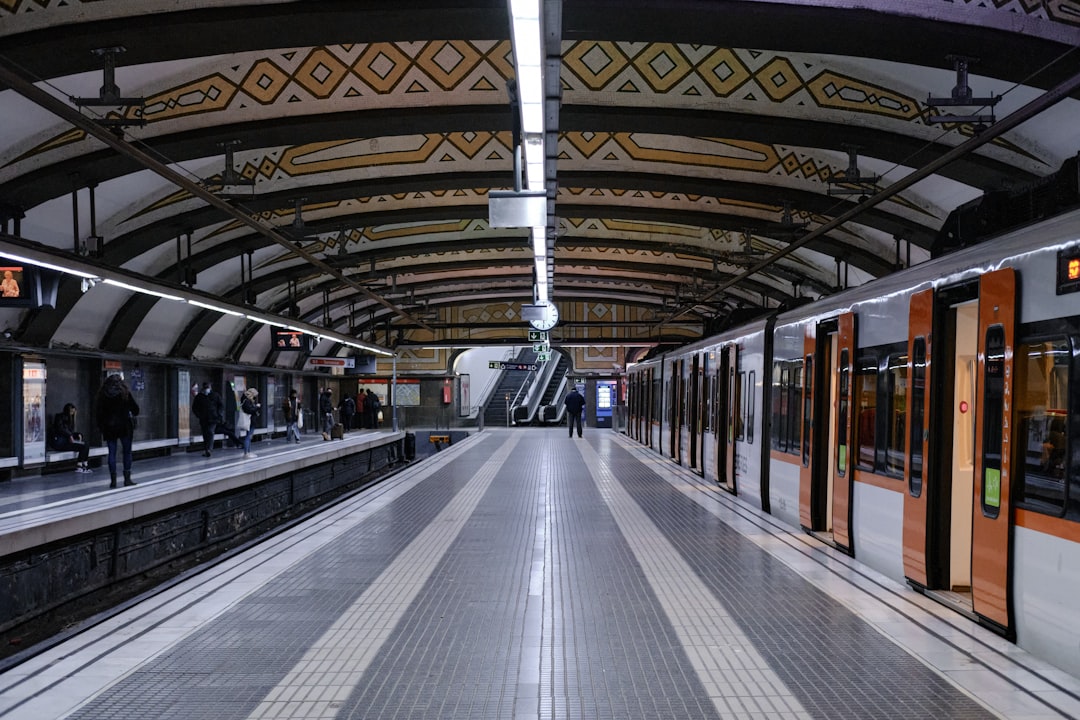
The city calls its idea the “Underground Shield” and aims to shelter 100,000 people. However metro tunnels lie only a few to some dozen metres underground. Therefore they protect against shrapnel and nearby blasts but not against nuclear or chemical attack. Moreover Kyiv’s metro offered stronger protection due to far greater depth. In addition the city plans a new Line 4 built with civil protection features after 2030. Consequently that line will combine transport and shelter design from the start.
National scale and infrastructure gaps
Warsaw will spend roughly 400 million zł on equipment, generators and water safety. However inspectors found none of the 200 inspected shelters met modern legal standards. In addition national audits show roughly a thousand usable shelters for all of Poland. Therefore the current shelter coverage meets only a few percent of estimated need. The government did allocate funds tied to GDP to improve readiness. Consequently local governments now have money and legal duties to act.
Practical advice for expats: carry important documents, proof of registration and emergency contacts. In addition keep scanned copies in cloud storage and a hard copy in your kit. Therefore you can act quickly if officials call you or you need to reach a designated shelter. Finally trust only official channels during a crisis and check local district websites for updates.
Source: Read original article
📚 Looking for more help settling in Poland? Browse our complete Expat Guides.