
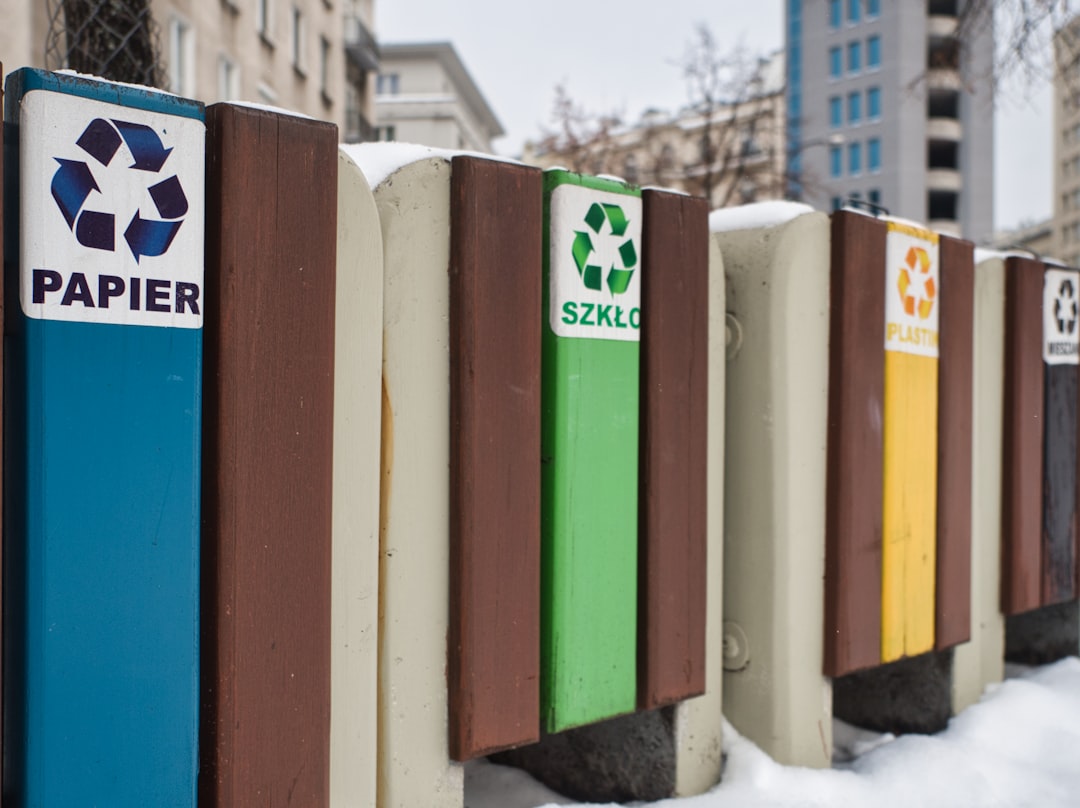
Warsaw bans milk cartons from yellow bins
Warsaw will remove milk cartons from yellow bins, forcing milk cartons recycling at return points and machines.
Warsaw will stop accepting certain beverage cartons in the yellow bins. The change affects Tetra Pak-style packages and forces residents to use dedicated return points. This shift signals a major change in daily recycling habits across the city.
Why the change matters
The city found that mixed-material cartons complicate sorting at plants. Consequently, sorting facilities struggle to separate paper, plastic and aluminum. Moreover, when cartons mix with other plastics, their recovery value falls sharply. Therefore Warsaw plans to channel those packs to deposit-style systems and reverse vending machines. For residents, this change will transform an easy toss into a short trip to a machine.
Where to return milk cartons recycling in Warsaw?
Major retailers will host the first machines. For example, malls and large supermarkets in Mokotów and Śródmieście will install collection automatons. In addition, smaller chains plan to place units in local stores. Thus you will likely find a machine on your shopping route. However, not every block will get a nearby option at first. Consequently, residents in dense neighbourhoods must adapt their routines.
Practical consequences for households
For apartment dwellers, this is a space and habit issue. In addition, block managers worry about higher penalty risks if residents mis-sort waste. The municipality can fine communal owners (similar to fines or ‘mandat’ in Poland) for repeated errors. Meanwhile, single-family homes may find it easier to store a small bag of cartons. Also, experts say the system aims to make cartons a refundable item. Therefore people should treat them like bottles that carry a deposit.
Policy background and EU context
Poland must meet EU recycling targets. Consequently, local councils must tighten rules on multi-material packaging. Moreover, the national deposit and return system will expand beyond bottles. In addition, the policy intends to increase raw material recovery and reduce landfill use. Thus Warsaw serves as a large-scale test before 2026 rollouts elsewhere in Poland.
Education campaigns will land in elevators and lobby areas across districts. Therefore you will see clear labels and photos soon. Also, the city will publish maps of collection points online. Residents who adapt early may recover small deposits at automated kiosks. In contrast, those who ignore the system risk sorting penalties and higher communal fees. Ultimately, the change aims to close a resource loop and cut contamination in recycling streams.
Source: Read original article
📚 Looking for more help settling in Poland? Browse our complete Expat Guides.