These cameras don’t measure speed — they record plates
Authorities use e-TOLL cameras to log vehicle plates and check payments on Warsaw expressways. Learn what drivers must verify.
These devices do not measure speed. e-TOLL cameras record vehicle plates and other data to check toll payments. Consequently, drivers may pass without a gate or stop. However, the system can still trigger a fine if records do not match.
What these devices actually record
Authorities base the control on the Public Roads Act of 21 March 1985. Moreover, the Infrastructure Ministry regulation of 2 June 2021 sets technical rules. Therefore, the inspection can be stationary or mobile. The devices capture an image with the registration plate. In addition, they log vehicle dimensions and parameters. They can also identify axle count and vehicle category. Furthermore, the system records date, time and device identifier. Finally, inspectors can cross-check these data with e-TOLL records and GNSS positioning.
e-TOLL cameras: not speed traps
Do not confuse these devices with speed cameras. They rarely flash. Instead, they document which vehicle passed a control point. Consequently, the image helps verify whether the operator paid the correct toll. In addition, the system can consult the Central Vehicle Register and other official databases. For context, Polish institutions often use acronyms. For example, ZUS handles social insurance, NFZ manages health fund matters, and PESEL is the national ID number.
Who must pay and what fines apply
Currently, e-TOLL applies mainly to vehicles over 3.5 tonnes and to buses. However, ordinary passenger cars under 3.5 tonnes usually do not owe a fee. In contrast, a passenger car with a trailer may fall under rules if total allowed mass exceeds 3.5 tonnes. Moreover, the law changes on 21 September 2026 will remove that obligation for many lighter combinations. Therefore, drivers should check vehicle Gross Vehicle Weight (DMC in Polish) before travel. The penalty for failing to pay starts at PLN 1,500. In addition, Customs and Tax Administration lists other fines. For example, they punish wrong registration and obscured plates. Consequently, keeping plates clear matters.
Why this matters in Warsaw
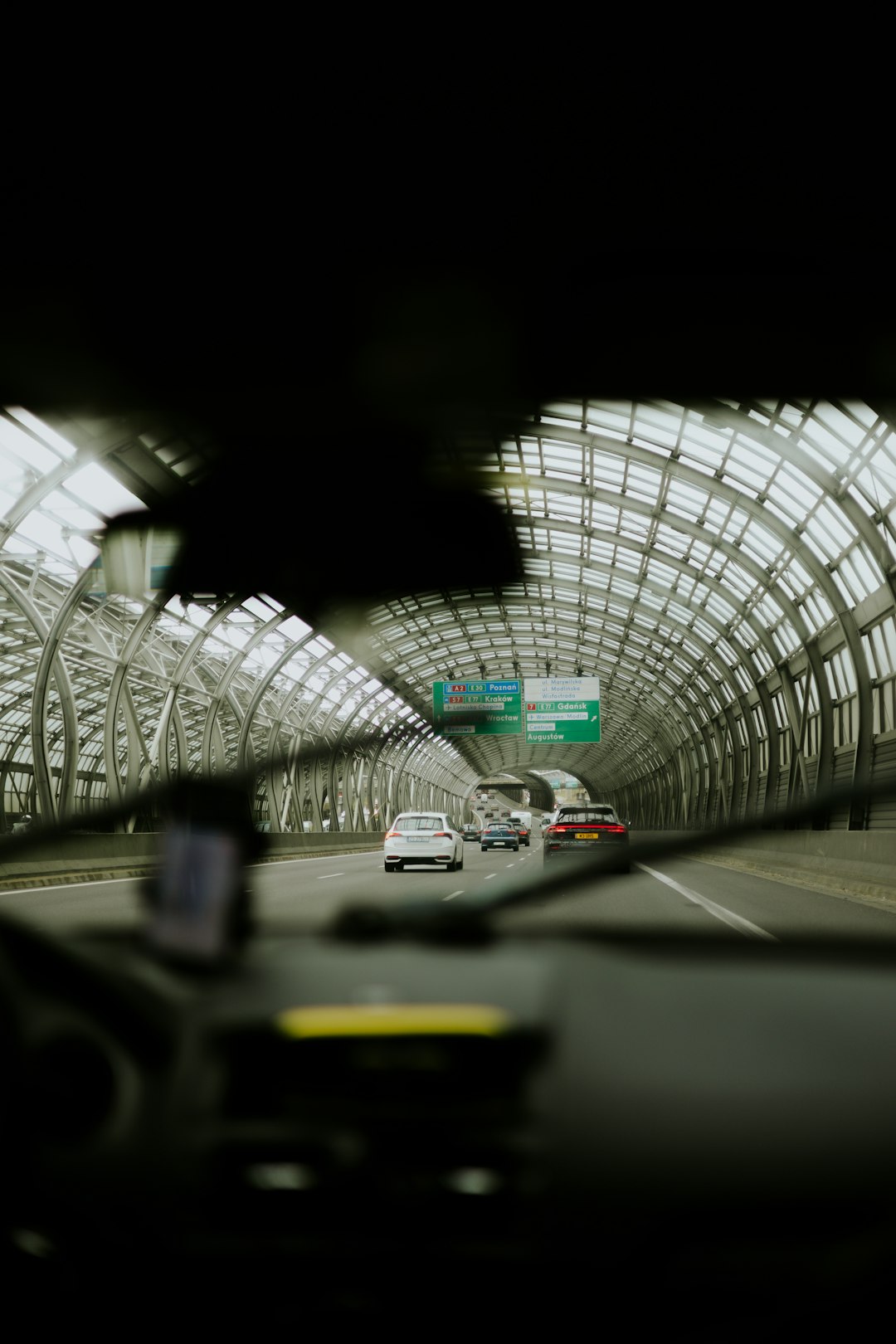
Warsaw drivers encounter paid sections that run through the city. For example, S2 crosses the capital as the South Ring. Moreover, S7, S8 and S79 connect urban and regional routes. Therefore, heavy vehicles can enter a tolled stretch without a physical barrier. In practice, a truck and a passenger car can share the same lane. However, law treats them differently. Consequently, a car may pass with no obligation while a truck behind it must pay. In addition, the e-TOLL network now covers about 5,870 km. Moreover, authorities report about 1.4 million accounts and 3.2 million registered heavy vehicles.
Source: Read original article
📚 Looking for more help settling in Poland? Browse our complete Expat Guides.