Symbolic opening of Grabowy Las nature reserve
Poland created the Grabowy Las nature reserve in Lublin Voivodeship to protect rare ravine forests and geological forms. Learn why it matters.
Grabowy Las nature reserve will receive a symbolic opening on 24 April. The new reserve covers 95.36 hectares in Dzierzkowice, Kraśnik County, and protects rare ravine forests and geological features.
Why authorities created this reserve
The state established several new reserves in Lublin Voivodeship this month. Consequently, conservationists named one after Prof. Florian Święs. Moreover, the protected area expanded from an initial plan of 40 hectares to almost 100 hectares. The government and local partners acted fast. Therefore foresters, scientists and local officials worked together to finalize protection.
What the reserve protects — Grabowy Las nature reserve
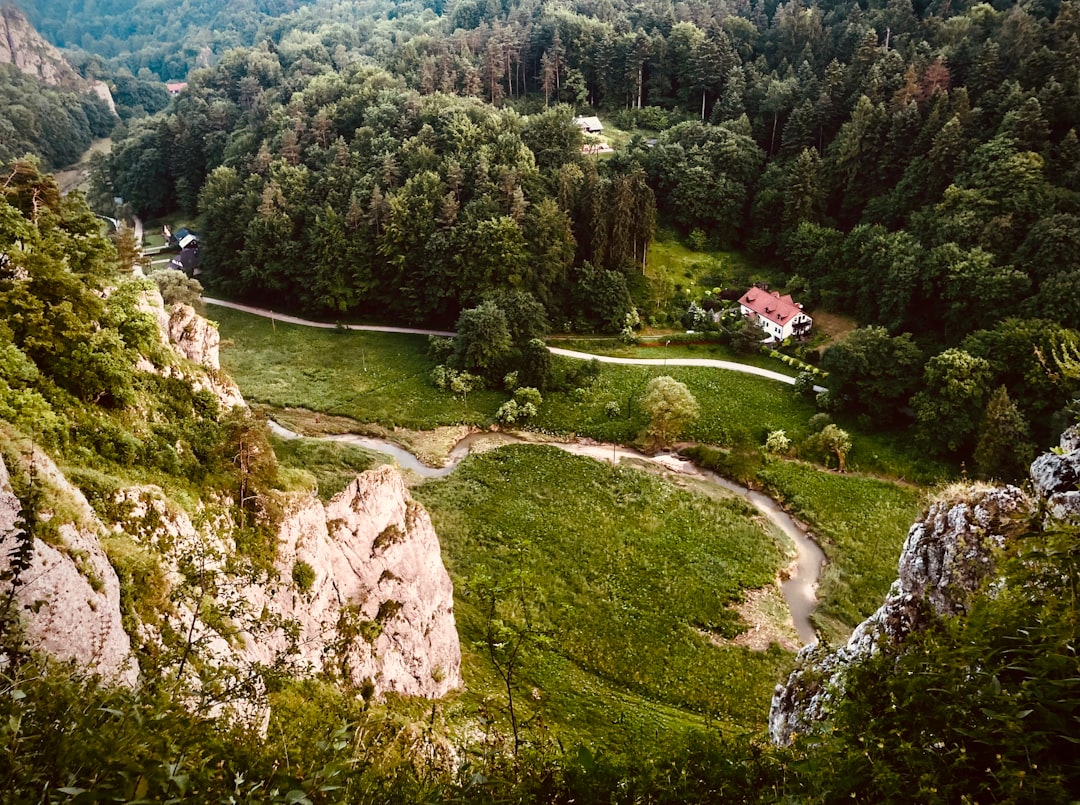
The site preserves a system of erosion and denudation cuts. These cuts form a complex network of ravines, dry valleys and steep slopes. In addition, the area hosts primeval mixed broadleaf forest known in Poland as grąd. Scientists pointed out that this is the first reserve in the region to protect both biological and geological values. Consequently, researchers can study erosion processes and landscape evolution in a living laboratory.
Voices and significance
Mikołaj Dorożała, Chief Nature Conservator and junior minister at the climate and environment ministry, hailed the decision as a historical achievement. However, the rush to protect more places nationwide also reflects broader policy priorities. In addition, the reserve honors Prof. Florian Święs, an influential botanist and phytosociologist who proposed protection decades ago. Therefore locals and experts see the move as both a tribute and a practical gain for science.
Geology, education and public access
Scientists explained that geological protection helps with hazard assessment and climate adaptation. Moreover, understanding the erosion dynamics guides local land management. The opening will include a walk along a planned geo-education trail. Consequently, visitors can learn about the area’s geomorphology and biodiversity. However, authorities expect limited infrastructure. In addition, they advise visitors to prepare for uneven terrain and limited public transport.
Opening day events will include a guided walk and a scientific presentation. Consequently, researchers will describe the geological diversity and the reserve’s educational potential. In addition, local groups plan to monitor the area for invasive species and erosion risks.
For expats, the reserve offers a chance to see Polish lowland forests and ravine systems up close. Moreover, it shows how Poland increasingly protects natural and geological heritage. Therefore the decision affects recreation, local planning and environmental education.
Source: Read original article
📚 Looking for more help settling in Poland? Browse our complete Expat Guides.