
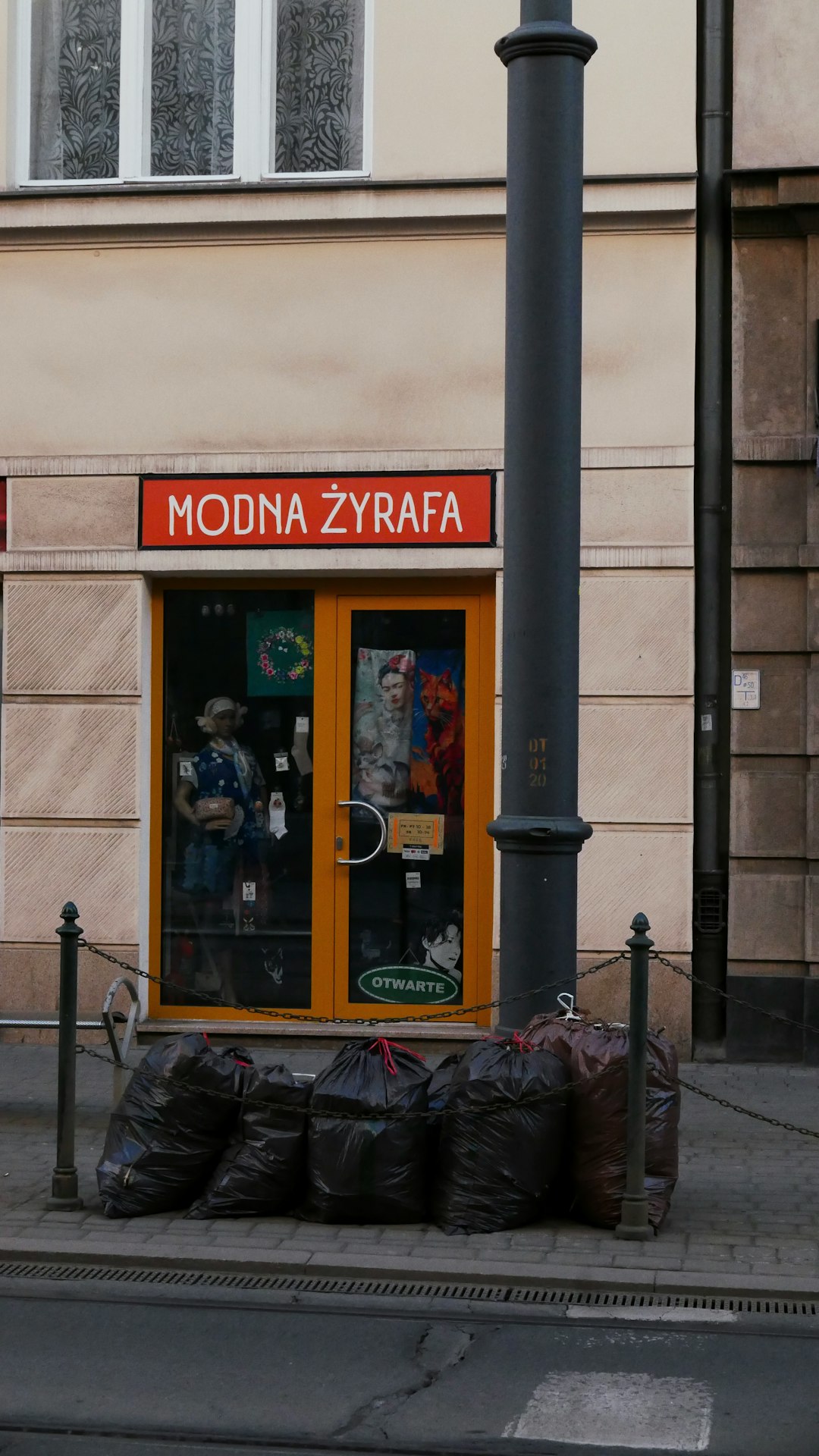
Surge in Poland business closures alarms experts
Poland business closures rose sharply in H1 2026. CEIDG reports 108.1k closures, squeezing local services and reshaping the small-business landscape.
Poland business closures accelerated in the first half of 2026, according to official records. CEIDG data shows entrepreneurs filed 108,100 deletion requests for sole proprietorships in six months.
Nationwide spike and what the numbers say
CEIDG, the Central Registration and Information on Business, reported clear increases. Moreover, closures rose 8.4 percent year on year. In addition, suspensions climbed to 191,400 requests. Therefore, suspensions rose 6.7 percent compared to last year. Experts warn that the trend covers most regions. Consequently, fifteen voivodeships showed growth in business liquidations. However, some localities experienced sharper declines in new start-ups.
Why owners say they leave the market
Owners cite rising costs as the main reason. Moreover, social contributions to ZUS (the social security system) weigh heavily on small operators. In addition, businesses face growing health insurance costs through NFZ (the public health insurer) and rising payroll expenses. Consequently, late payments from clients harm cash flow. Therefore, many entrepreneurs prefer to pause activity or close shops. Experts also point to persistent economic uncertainty and tighter consumer spending. However, some owners still open new ventures, but fewer than before.
Poland business closures and local effects
Local markets face tangible consequences. Moreover, small shops and family services often do not return quickly. In addition, residents may lose convenient options for daily needs. Therefore, competition shrinks in neighbourhoods. Consequently, prices can rise where alternatives vanish. Municipal services may feel indirect effects. However, large chains can sometimes fill gaps, but they do not replace community ties.
What the data means for the workforce and startups
Registrations fell over five percent in the same period. Therefore, Poland sees fewer fresh entrepreneurs. Moreover, suspended businesses distort active counts. In addition, the net number of active sole proprietorships decreased. Consequently, the small-business sector shows signs of retrenchment. However, some owners suspend firms to avoid paying full ZUS contributions temporarily. Therefore, suspension becomes a short-term risk-management tool. Experts like Dr. Hanna Nowak-Mizgalska from Poznań warn about long-term erosion of local services.
Experts urge policymakers to consider relief for micro firms. Moreover, targeted support could limit closures. In addition, smoother payment practices would help suppliers. Therefore, entrepreneurs could invest again when uncertainty fades. However, until then many will remain cautious.
Source: Read original article
📚 Looking for more help settling in Poland? Browse our complete Expat Guides.