Stunning archival images trace Łódź’s past
Explore archival photos of Łódź that reveal pre-war elegance and post-war rebuilding. Learn why this matters to expats.
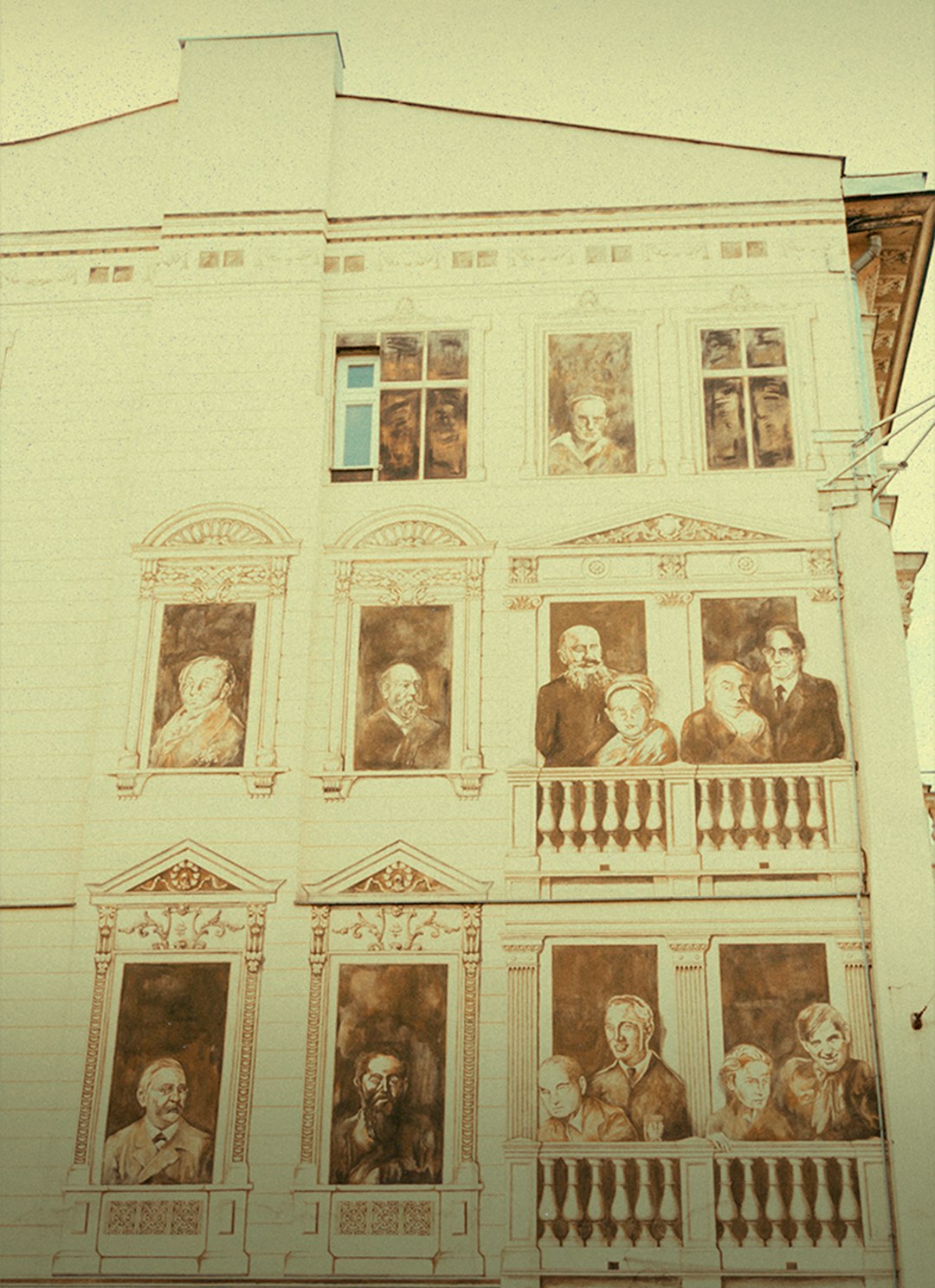
A newly published collection shows pre-war elegance and post-war rebuilding in Łódź. These archival photos of Łódź reveal how the city kept its character despite destruction.
What the archival photos of Łódź reveal
The images capture a city shaped by industry and migration. Moreover, they show the textile boom that built grand tenement blocks. In addition, they document a diverse urban society before 1939. However, war and occupation erased whole neighborhoods. Consequently, post-war planners rebuilt with different priorities. Therefore, viewers can trace continuity and rupture in the streets.
From industry to identity: why the pictures matter
Łódź grew fast in the 19th century because of textile factories. Moreover, workers from around Europe reshaped its culture. The photos show factories, tram lines, and market life. However, they also show synagogues and Jewish neighborhoods that the Holocaust destroyed. In addition, they show how post-war reconstruction altered surfaces but kept some forms. Consequently, you can still see nineteenth-century facades in the city center today. Therefore, the collection matters for heritage and memory.
What to look for when you visit
The archive highlights streets, squares, and factories that survive. Moreover, guides now point to sites that match old shots. If you visit, compare old images with modern ones. In addition, museums use these photos in exhibitions. The Museum of the City of Łódź and the Central Museum of Textiles show related material. Note practicalities like ZUS (social insurance), NFZ (national health fund), PESEL (national ID), and mandat (traffic fine). Therefore, plan documents and travel details ahead.
For expats, the collection offers more than nostalgia. It reveals how cities reinvent themselves after trauma. Moreover, it helps explain local pride in industrial heritage. Consequently, the pictures act as a visual bridge between past and present. In addition, they help newcomers understand why Łódź invests in tram lines and cultural hubs today.
Finally, the images remind viewers that urban character survives change. Therefore, residents conserve what matters. Moreover, newcomers can learn to read the city through those traces. If you walk the former factory streets, you will sense continuous life and reinvention.
Source: Read original article
📚 Looking for more help settling in Poland? Browse our complete Expat Guides.