
Stretcher Buses Ordered as Evacuation Plans Roll Out
Warsaw ordered stretcher buses and all 2,477 gmin have evacuation plans. Learn why this matters for expats and how to register vulnerable relatives.
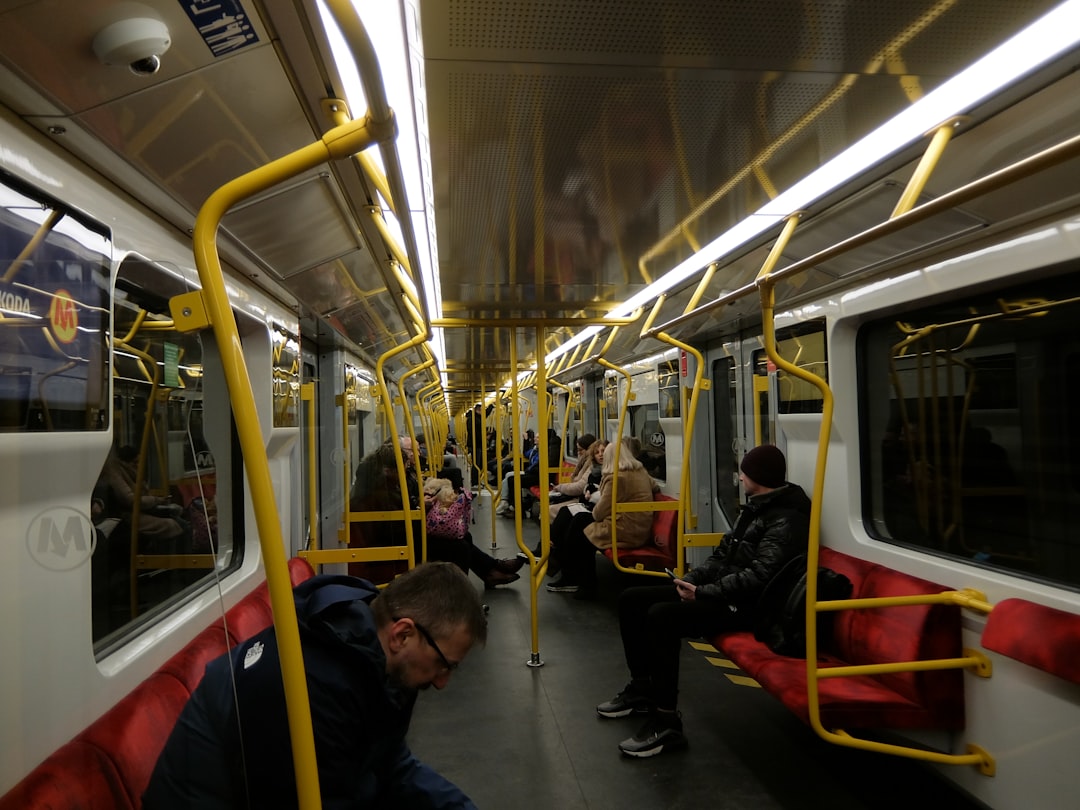
Warsaw ordered 120 new 18m articulated vehicles fitted with mounts for stretchers. Consequently, the city says each bus can convert in minutes into a sanitary or evacuation vehicle. These stretcher buses mark a first step in linking public transport procurement to civil defence needs.
What the order means for the city and region
The contract covers deliveries in late 2026 through 2027. Moreover, officials included an option for 100 more buses. The vehicles will serve daily routes and then switch role during crises. In addition, the Transport Authority seeks co-funding from the national Civil Protection Programme. Therefore residents in outer districts like Wawer and Białołęka gain vital organised evacuation options. Also, many single-family areas lack regular bus links. Thus the new vehicles fill a gap for those without cars.
Priorities and the legal framework
The government adopted new rules in May 2025. Consequently the regulation lists groups with formal evacuation priority. First come hospital patients and care institutions. Then officials list children in care, pregnant women, and people who cannot move unaided. Next appear residents of social care homes. In practice the order names who boards first. However the law guarantees priority only if authorities know a person exists at a given address. Therefore registration matters.
Plans on paper, gaps on the ground
By the end of 2025 all 2,477 gmin submitted evacuation plans. However inspections showed a large shortfall in real shelters. The Fire Service logged many potential sites. Yet most old cellars now serve as storage. The city audit found almost no objects that meet new shelter standards. Consequently authorities say true compliant shelter capacity covers only a small fraction of needs. Moreover Metro will act as temporary refuge. But the underground network lacks full NBC filtration. In other words it protects from blast and fragments but not from all chemical risks.
Alerting relies on the RCB system. However mobile towers need power and backup. Consequently a prolonged blackout can stop SMS alerts. Therefore authorities recommend battery radios as a fallback. Also pack a 72-hour bag with medicines and ID. In addition check your district website for registration forms. For expats note that councils often accept foreign documents but ask for a PESEL for fast processing.
Source: Read original article
📚 Looking for more help settling in Poland? Browse our complete Expat Guides.