Solska Forest: First Stage of Post-Fire Recovery
Solska Forest restoration begins with removal of dead trees and soil preparation, a science-led, multi-year effort to rebuild resilient woodlands.
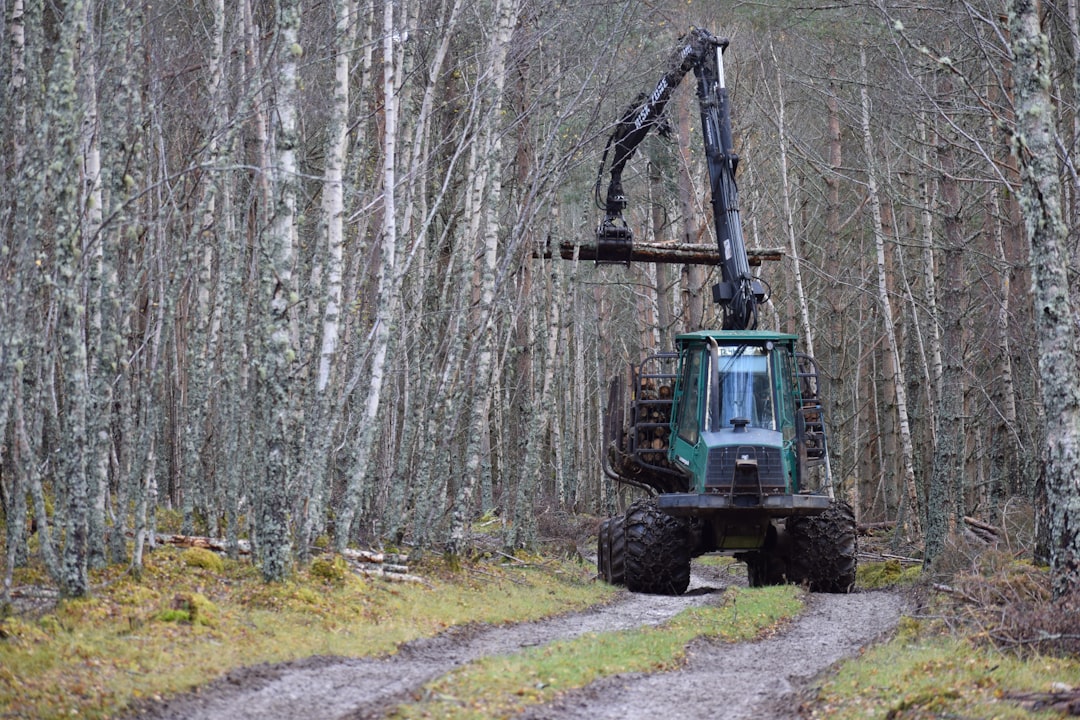
The Solska Forest restoration has entered its first active stage near Józefów. Crews now remove thousands of fire-killed trees to make the site safe. Consequently, heavy machines, foresters and scientists work together on the scarred landscape.
Solska Forest restoration: science-led recovery and field work
Foresters in Nadleśnictwo Józefów lead the operation. Moreover, they use harvesters and forwarders to extract wood quickly. So far, teams removed nearly 13,000 cubic metres of timber. However, heat waves forced intermittent pauses. Therefore, crews plan work around weather and equipment limits.
Planned steps and ecological priorities
Scientists and managers drafted protocols in June. In addition, the document makes space for varied treatments. Some plots will regenerate naturally. Others will get shallow mulching to bind organic matter into topsoil. Furthermore, experts will monitor insect threats closely. They will avoid broad planting this year because of a fire-loving fungus risk. Thus, only minor tree planting may occur along roads in autumn. The aim remains a diverse and resilient forest over decades.
Coordination, expertise and international interest
Institutes like the Forest Research Institute help guide decisions. Moreover, universities and conservation agencies contributed to the plan. Regional nature authorities approved limited access in capercaillie zones to allow safe work. Meanwhile, delegations from other forest districts, and even Freiburg forestry officials, visited the site. Therefore, the lessons here will inform responses to rare, large fires elsewhere.
Rebuilding after a large fire takes years and many specialists. Consequently, the current phase focuses on making the ground ready for natural renewal until 2026. Furthermore, they plan targeted planting only when conditions reduce disease risk. In addition, the teams will sell recovered timber and use funds to support restoration. Local managers stress that removal of dead trees improves safety for both workers and visitors.
For expats, the site shows how Poland balances nature protection and timber management. Therefore, expect staged access, scientific monitoring, and public communication. Moreover, regional authorities will continue regular inspections to protect adjacent woodlands.
Source: Read original article
📚 Looking for more help settling in Poland? Browse our complete Expat Guides.