Serious incident disrupts Warsaw train services
A medical intervention on the SKM line caused delays and prompted mutual ticket acceptance to ease travel for commuters.
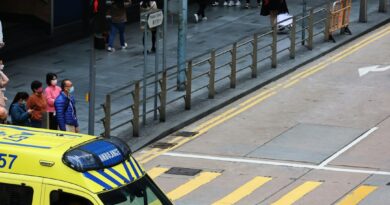
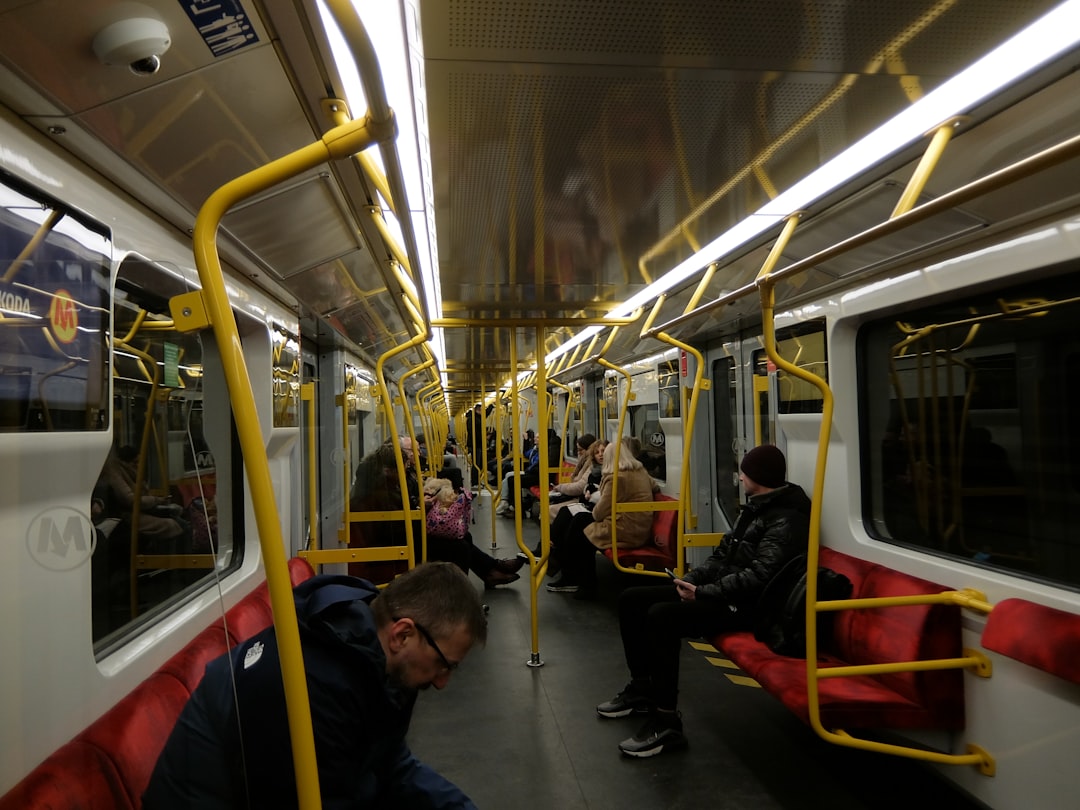
Serious incident in Warsaw: mutual ticket acceptance now in force. A medical intervention on a KM commuter train near Warszawa Ochota caused major delays on the city’s central rail artery. Consequently, authorities announced temporary measures to ease travel for passengers.
What happened and immediate impact
Paramedics boarded a Koleje Mazowieckie (KM) service bound for Mrozy after a passenger required urgent help. As a result, operators halted some movements on the central Średnicowa line. Moreover, Szybka Kolej Miejska (SKM) and regional KM trains showed cascading delays. Therefore, commuters should expect longer journey times and altered connections.
mutual ticket acceptance implemented
From 17:15, transport authorities activated a mutual ticket acceptance arrangement. In addition, ZTM (Warsaw Public Transport Authority) and Koleje Mazowieckie agreed to accept each other’s tickets in fare Zone II. Consequently, passengers with valid ZTM tickets could board KM and SKM trains, and vice versa. However, the measure remains temporary until crews fully restore normal service.
How this affects your journey
If you travel through central Warsaw, monitor live updates from ZTM and KM. Moreover, use apps like Jakdojade or the operator apps for accurate times. In addition, expect packed trains during peak times. Therefore, give yourself extra time and consider alternate routes by tram or metro. However, validate any paper or mobile tickets as usual to avoid fines (mandat). Remember that SKM serves the city and inner suburbs, while KM covers wider Mazovian routes.
Transport services apologized for the disruption and asked the public to remain patient. Meanwhile, staff worked to clear tracks and resume normal timetables. Consequently, full recovery may take time depending on investigations and safety checks. Moreover, the city reiterated that passenger safety remains the top priority.
Travelers should stay alert for operator bulletins and plan accordingly. In addition, consider flexible tickets or alternative departure times to reduce stress. Therefore, expect updates on social media and operator websites until the timetable returns to normal.
Source: Read original article
📚 Looking for more help settling in Poland? Browse our complete Expat Guides.