
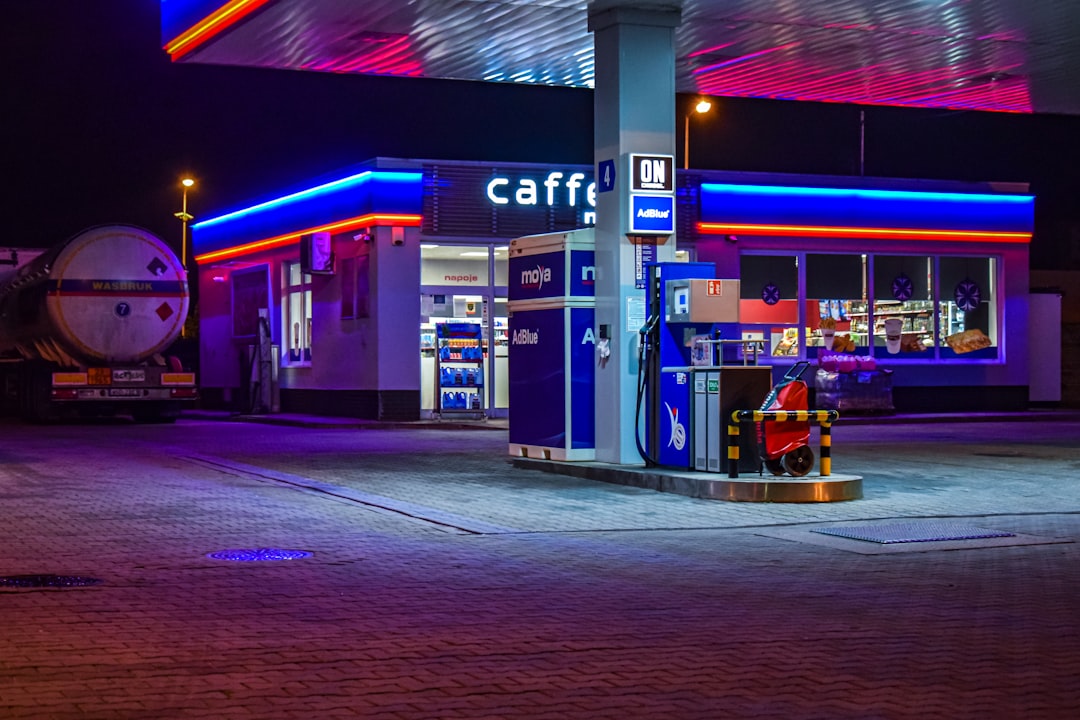
Return of Poland’s CPN: Fuel prices fall, taxpayers pay
Poland relaunched a fuel price cap with VAT cuts to lower pump prices; the policy helps drivers but shifts costs to taxpayers via budget shortfalls.
The government relaunched the CPN support scheme and introduced a temporary fuel price cap to lower pump prices. Consequently, drivers will see cheaper fuel at stations nationwide from August 17.
What the fuel price cap means at the pumps
The new package cuts VAT on petrol and diesel from 23% to 8%. In addition, the government issued daily maximum retail prices. Therefore stations must not sell above set limits. As a result, prices now top at 6.41 PLN per litre for 95 octane petrol. Moreover, 98 octane sells at 7.20 PLN and diesel at 7.37 PLN per litre. The authorities calculate the cap from wholesale prices, excise, a fuel fee, a fixed retailer margin, and the reduced VAT. The tax administration may fine companies up to one million PLN for violations.
Why the government acted now
Poland moved because global oil markets remain unstable. Tensions rose in the Middle East. Consequently, threats to shipping through the Strait of Hormuz and Bab el-Mandeb drove prices higher. In addition, some oil producers limited output. Therefore policymakers feared another inflation wave. The government aimed to shield households and freight transport. However, the policy runs for a short period only, from August 17 to August 31, 2026.
Winners and losers — who really pays
The immediate winner remains road users. Drivers and small firms gain instant savings at the pump. Meanwhile, LPG users get no support. The package excludes liquefied petroleum gas. Therefore vehicles running on LPG still face market prices. Moreover, oil majors benefit too. Their sales volumes will hold up while margins adjust. In contrast, the taxpayer shoulders a hidden bill. The state foregoes VAT revenue. Consequently the budget faces a shortfall. The government must cover that gap. It can borrow, cut public services, or raise other taxes later. For expats, note that cuts in public spending could affect services like health care (NFZ), or social security (ZUS).
Politically, the move mirrors previous gas and fuel shields. In March, the government used similar levers. However markets then eased for a time. Consequently, critics say the policy plays to voters more than markets. Yet ministers argue they must act fast to prevent pain at the pump. Therefore expect more short-term fixes if global volatility persists.
For drivers, the relief feels immediate. For taxpayers, the cost may arrive later. In addition, monitor announcements from the Ministry of Energy and the tax administration for price updates during the scheme.
Source: Read original article
📚 Looking for more help settling in Poland? Browse our complete Expat Guides.