Poznan in the 1990s: Photos of a Changing City
A photo tour shows Poznan in the 1990s and explains why the images matter for expats today. Poznan in the 1990s sets the scene.
Poznan in the 1990s looked very different from today, and these photos show the change. Moreover, the images reveal how urban life shifted after communism ended.
Poznan in the 1990s: what the pictures show
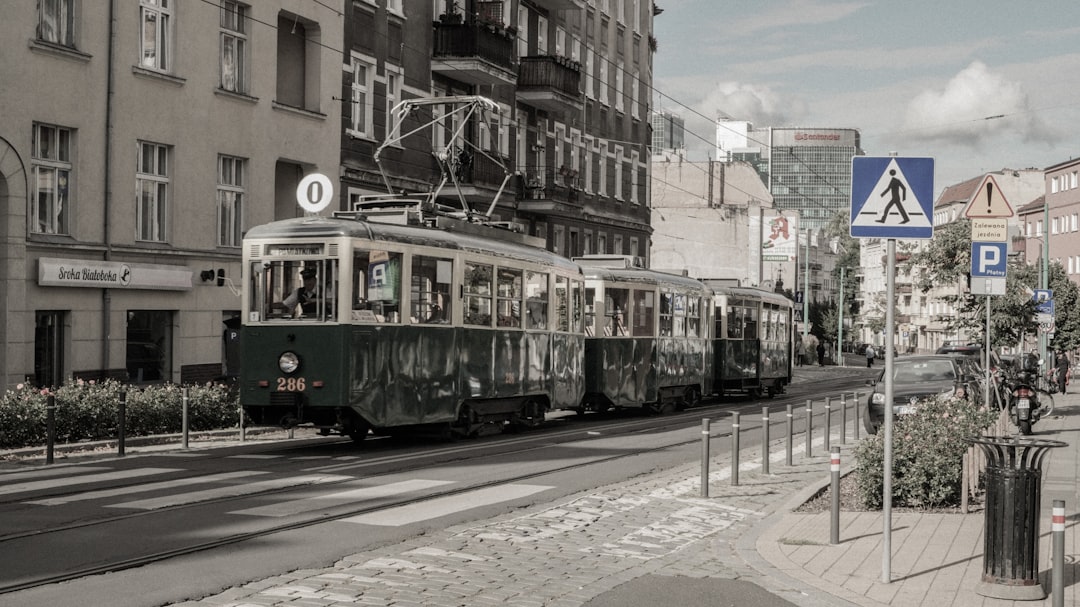
The gallery highlights empty streets and old trams. However, the city already showed signs of renewal. In addition, you can see buildings that later became shops. Therefore, some familiar places no longer exist. Yet other sites still look dated, and they keep their peculiar charm.
Why these images matter now
The 1990s marked a fast transition in Poland. Consequently, Poznan pivoted from state planning to free markets. Developers built new blocks, and planners introduced modern traffic concepts. Moreover, shopping malls and office towers appeared later. At that time, the tram network still used older vehicles. Therefore, the transport feel looked slower and quieter. However, the city already carried strong regional importance in Greater Poland.
Urban change and everyday life
The photos show fewer cars and lower congestion. In addition, streets looked simpler, not yet adapted for modern logistics. Residents then shopped in small stores. Moreover, local markets played a bigger role. Consequently, people met in cafes and market squares more often.
Practical context for newcomers
As an expat, understanding that history helps you read neighbourhood character. In addition, you will notice architecture that mixes old and new. Therefore, expect quirky corners and rapid redevelopment in some districts. However, planners protect several heritage sites, especially near the Old Town.
Local memory shapes identity, and these photos help you see how. Moreover, they reveal why Poznan feels distinct from Warsaw and Krakow. In addition, the city kept a pragmatic civic culture. Consequently, many residents adapted fast to new business norms. Therefore, you will find a productive small-business scene today.
Finally, the images serve as a guide to what changed. However, they also show what stayed the same. Moreover, you can use this visual history to choose a neighbourhood. In addition, older quarters often offer lower rents. Conversely, new areas provide modern amenities and transit links.
Source: Read original article
📚 Looking for more help settling in Poland? Browse our complete Expat Guides.